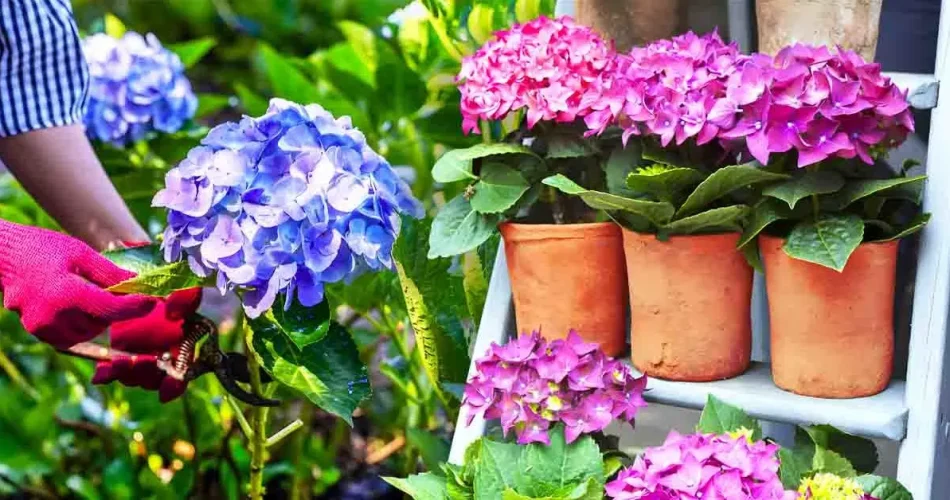
Hydrangea, also known as hortensia, is a beautiful ornamental plant often found in gardens, but did you know it can also thrive indoors? While growing hydrangeas indoors can be a bit of a challenge, with the right care, this vibrant flowering plant can become a stunning addition to your home. In this article, we’ll explore the significance of hydrangeas in the language of flowers, tips for growing and caring for hydrangeas, and how to make them bloom beautifully indoors.
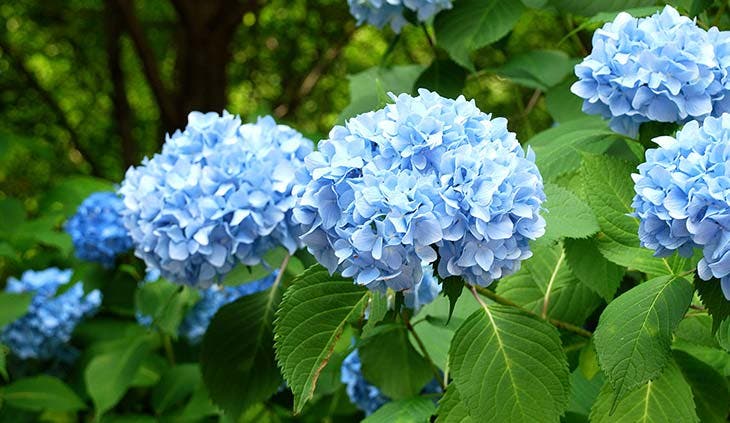
Meaning of Hydrangea in the Language of Flowers
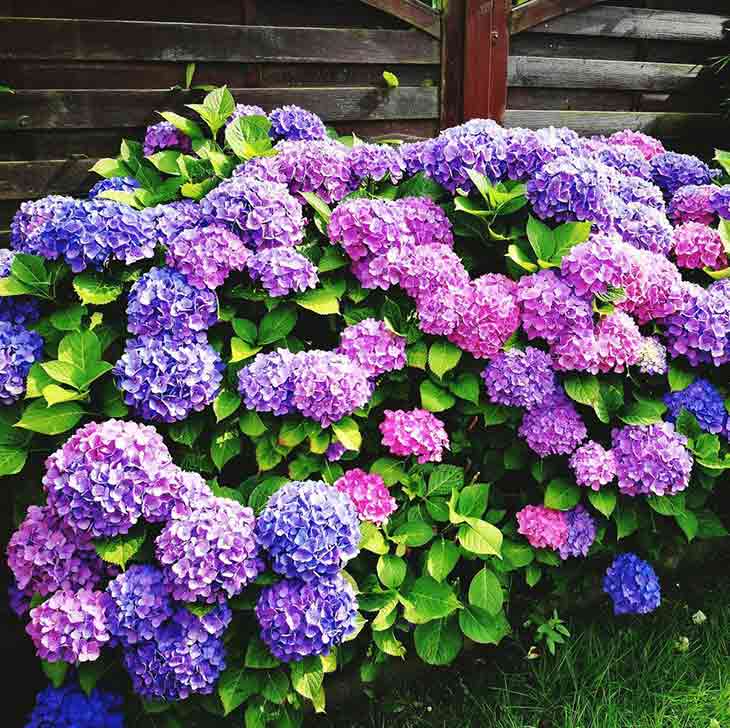
In the language of flowers, each bloom carries a unique message, and hydrangeas are no exception. The color of the hydrangea plays a significant role in its symbolic meaning:
- White Hydrangeas: Represent sincere love and signify that the giver is deeply thinking about the recipient.
- Blue Hydrangeas: Convey a message of deep love, despite the sometimes capricious nature of the loved one.
- Pink Hydrangeas: Symbolize loyalty and an invitation to enjoy the pleasures of love.
These meanings make hydrangeas an ideal gift for expressing emotions like love, loyalty, and the renewal of relationships.
Growing Hydrangeas Indoors
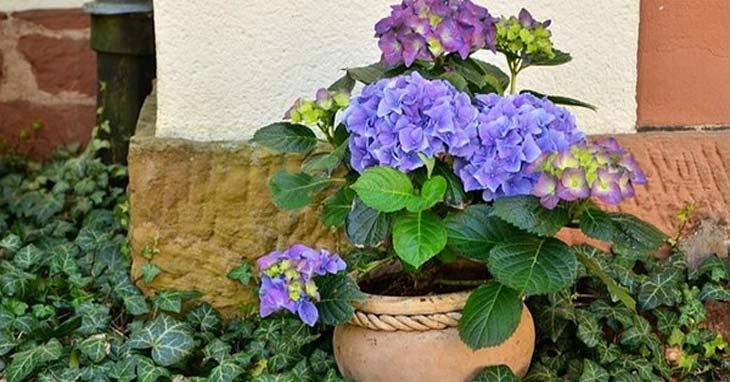
Hydrangeas are relatively easy to grow as long as you provide them with the right conditions. Here’s how you can ensure your hydrangea thrives:
Watering
Hydrangeas require regular and abundant watering, particularly during the summer months. Ensure that the soil remains moist but not waterlogged. Over-watering can lead to root rot, while under-watering will prevent the plant from flourishing.
Soil Composition
Hydrangeas prefer a balanced soil mix. For optimal growth, mix:
- ¼ garden soil
- ¼ sand
- ¼ earth
- ¼ wood
This combination provides good drainage and support for healthy root development.
Sunlight
Hydrangeas need moderate exposure to sunlight. It’s best to place your plant in a spot with partial sunlight—ideally, near a northwest-facing wall that offers some protection from the sun’s intense rays.
Temperature Considerations
One of the most critical factors for hydrangea health is temperature. While hydrangeas can thrive indoors, they are vulnerable to cold temperatures. During the winter, it is advisable to protect your plant with straw or fabric to shield it from extreme cold, which could cause it to wither.
Hydrangea Flower Colors
The color of hydrangea flowers can vary depending on the pH of the soil:
- Acidic soil produces shades of blue, light blue, and purple.
- Neutral pH soil tends to produce pink and red flowers.
Interestingly, white hydrangeas are not affected by soil pH. Instead, their color may change due to the amount of light they receive:
- In low light, they may turn green.
- With some sun, they may transition to red or pink.
Fertilizing Hydrangeas
To encourage healthy growth and vibrant blooms, fertilizing is essential. The best time to fertilize hydrangeas is in autumn, but it’s also beneficial to use a slow-release fertilizer around February/March to ensure strong flowering. Additionally, keep an eye out for iron deficiency in your plant—if the leaves begin to turn yellow, consider using iron chelates to provide a preventive treatment.
Pruning Hydrangeas for Healthy Growth
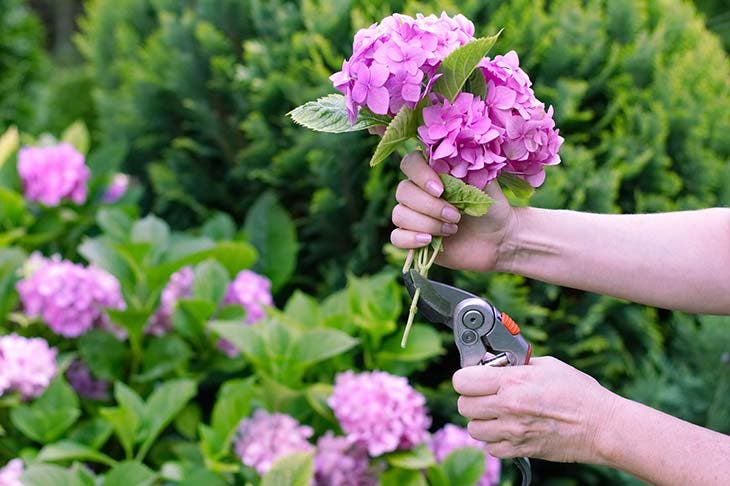
Pruning is crucial to encourage healthy blooming and maintain the shape of your hydrangea. Since hydrangeas typically bloom on branches from the previous year, proper pruning is essential to avoid damaging potential blooms.
- When to prune: Wait until the hydrangea blooms have dried, usually around February-March. Avoid cutting any flowers that are still green or young.
- Pruning technique: Begin by trimming from the base of the flower, making sure not to cut below the buds. For older plants, prune the branches back by about one-third of their length.
Using sharp and clean pruning shears is important to avoid introducing infections to the plant.
Conclusion
Hydrangeas are a meaningful and beautiful plant that can brighten up your home with their colorful blooms. By understanding the symbolism behind their colors, and by following the proper care and pruning tips, you can enjoy their beauty for years to come. Whether you’re growing them indoors or in your garden, these versatile plants are sure to add charm and elegance to any space.