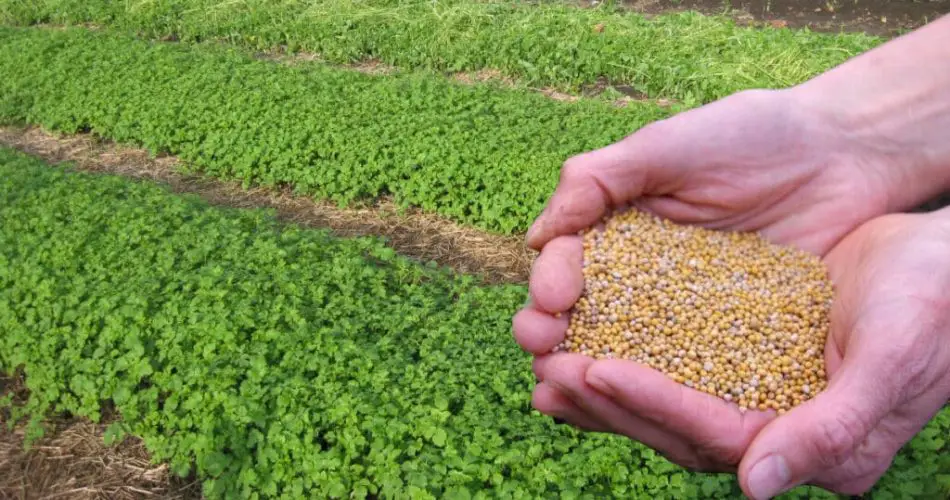
When it comes to selecting cover crops for the summer, mustard often flies under the radar for many gardeners. However, this unassuming plant boasts a plethora of advantages that shouldn’t be overlooked.
Mustard isn’t just a simple crop—it’s a valuable cover crop with a host of beneficial properties. One of its standout features is its ability to serve as an excellent source of phosphorus and nitrogen, much like other cover crops. But what sets mustard apart is its unique ability to enhance the availability of nutrients in the soil for other plants.
No matter the soil type in your garden, mustard can work wonders. It’s capable of improving the structure of both clay and sandy soils, enriching them and creating a more hospitable environment for plant growth.
Furthermore, cultivating mustard can lead to an increase in the population of earthworms in the soil, a sign of soil health and fertility. Additionally, mustard helps to aerate the soil, facilitating better water and air penetration. This, in turn, aids in moisture retention and creates optimal conditions for plant growth.
In essence, growing mustard in your garden plot can serve as a potent strategy to enhance soil quality and create an optimal environment for your plants to thrive. Don’t underestimate the power of this humble yet versatile cover crop—it may just be the key to unlocking a bountiful harvest in your garden.