Thriving Gold: Tips for Abundant Yellow Bell Peppers with Minimal Watering
Introduction:
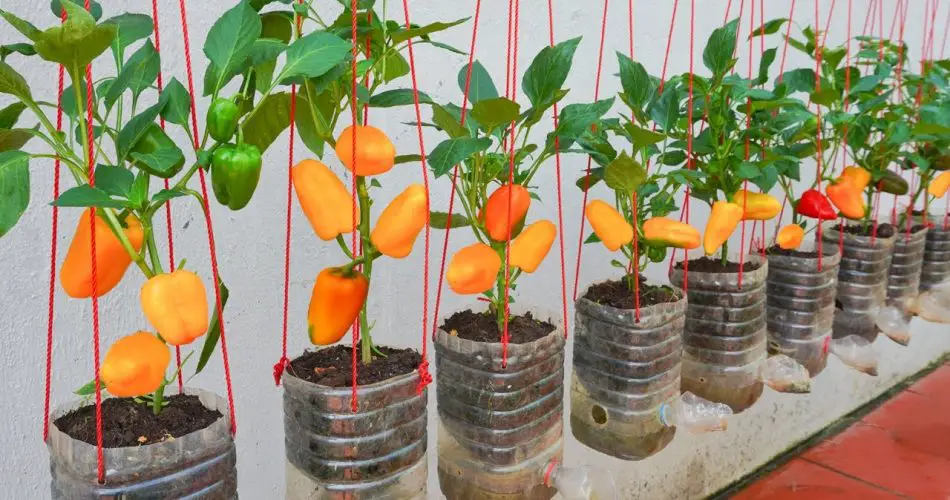
Growing vibrant yellow bell peppers laden with fruit is an achievable feat, even in conditions where water availability may be limited. With the right techniques and a mindful approach to cultivation, you can enjoy a bountiful harvest of these sweet and sunny vegetables without excessive reliance on watering. Here are some tips to cultivate thriving yellow bell pepper plants with lots of fruit while conserving water.
- Smart Soil Selection: Begin with well-draining soil that retains moisture efficiently. Adding organic matter, such as compost, improves water retention and nutrient levels, ensuring a conducive environment for yellow bell pepper plants.
- Mulching Magic: Apply a layer of organic mulch around the base of the pepper plants to minimize water evaporation from the soil. Mulching helps to regulate soil temperature and moisture, reducing the frequency of watering needed.
- Strategic Plant Spacing: Give your yellow bell pepper plants adequate space to spread their roots. Proper spacing allows for efficient water absorption and promotes good air circulation, preventing diseases that might compromise fruit production.
- Establish Deep Roots: Encourage the development of deep roots by watering the plants deeply but less frequently. This helps the roots explore a larger soil volume, accessing water from deeper layers and making the plants more resilient to periods of drought.
- Drip Irrigation Systems: Opt for drip irrigation systems that deliver water directly to the base of the plants. This minimizes water contact with leaves, reducing the risk of diseases and optimizing water usage by targeting the root zone.
- Watering in the Morning: Water your yellow bell pepper plants in the morning when temperatures are cooler. This allows the plants to absorb moisture before the heat of the day, minimizing water loss through evaporation and ensuring hydration during the crucial growing hours.
- Use Water-Efficient Techniques: Employ water-efficient techniques such as the “watering basin” method. Create a shallow basin around each plant to capture and direct water toward the roots, ensuring it goes where it’s needed most.
- Select Drought-Tolerant Varieties: Opt for yellow bell pepper varieties that are known for their drought tolerance. These varieties are adapted to thrive in arid conditions and can produce abundant fruit with less water.
Conclusion:
Growing yellow bell peppers with lots of fruit without excessive watering is not only possible but also a sustainable and water-wise approach to gardening. By implementing these tips, you can create an environment that fosters robust and fruitful yellow bell pepper plants while conserving water resources. Enjoy the sweet taste of success as your garden yields a vibrant display of these sunny and delicious vegetables.