“Chayote Triumph: Tips for Rapid Growth and Abundant Harvest from Fruit”
Introduction: Growing chayote from fruit is an exciting and efficient way to cultivate this versatile vegetable. Chayote, also known as vegetable pear or mirliton, is renowned for its crisp texture and mild flavor. In this article, we’ll explore tips that can help you grow chayote quickly and achieve a bountiful harvest by starting from the fruit itself.
- Selecting the Right Chayote Fruit: Choose a healthy and mature chayote fruit for planting. Look for one that is firm, free from blemishes, and has a slight sprout emerging from the top. This sprout indicates the presence of a viable seed inside.
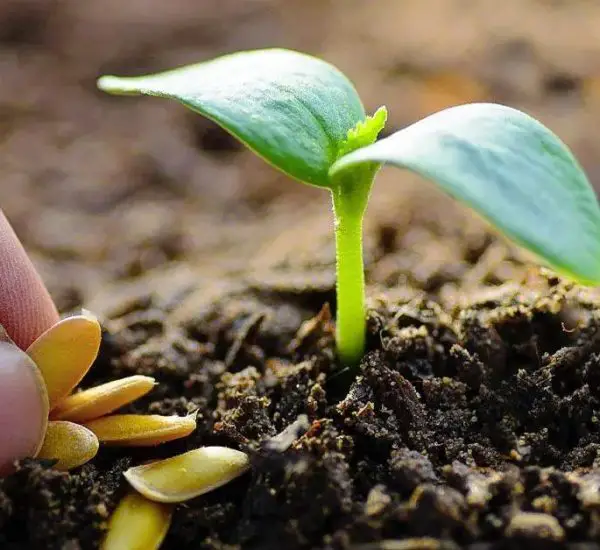
- Germinating the Seed: Allow the chayote fruit to sprout further by placing it in a warm, dry location. This process encourages the growth of a sturdy shoot from the top of the fruit. Once the shoot reaches a few inches in length, the chayote is ready for planting.
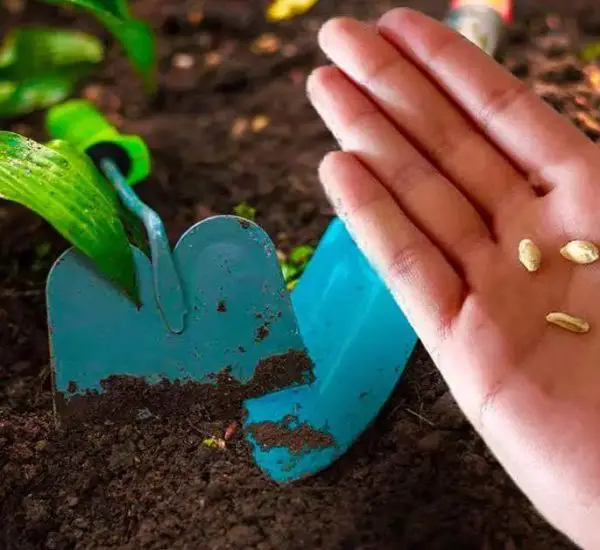
- Preparing a Suitable Planting Site: Chayote thrives in well-draining soil with plenty of sunlight. Choose a location that receives at least 6-8 hours of direct sunlight daily. If planting in a garden bed, ensure the soil is enriched with compost or well-rotted manure.
- Planting the Sprouted Chayote: Plant the sprouted chayote horizontally in the soil with the shoot facing upward. Bury the fruit about 4-6 inches deep, leaving the sprout exposed above the soil. Space multiple chayote plants at least 6 feet apart to allow for adequate spreading.
- Providing Support for Climbing Vines: Chayote plants are vigorous climbers, and they benefit from vertical support. Install trellises, stakes, or any sturdy structure to guide the vines as they grow. This not only conserves space but also promotes healthy vine development.
- Consistent Watering Routine: Chayote plants require regular and consistent moisture, especially during the growing season. Water the plants deeply, ensuring the soil remains consistently moist but not waterlogged. Adequate hydration is crucial for robust growth and fruit production.
- Mulching for Moisture Retention: Apply a layer of organic mulch around the base of the chayote plants to retain soil moisture. Mulching also helps suppress weeds and regulates soil temperature, creating an optimal environment for chayote vines to flourish.
- Feeding for Fruitfulness: Boost the fruitfulness of your chayote plants by applying a balanced fertilizer during the growing season. Choose a fertilizer with a higher potassium content to encourage robust vine growth and bountiful fruit production.
- Pruning for Optimal Growth: Regularly prune the chayote vines to manage their growth and shape. This helps direct energy towards fruit development and improves air circulation, reducing the risk of diseases.
- Harvesting the Abundant Chayote Fruits: Chayote plants typically start producing fruits within a few months. Harvest the chayotes when they reach a suitable size and are still tender. Use a sharp knife to cut the fruits from the vines without causing damage.
Conclusion: Growing chayote from fruit offers a quick and rewarding way to enjoy the abundance of this versatile vegetable. By following these tips, you’ll set the stage for rapid growth and a plentiful harvest of crisp and delicious chayotes. Embrace the simplicity of this method, and watch your chayote vines thrive with a bounty of fruits in no time.