Homegrown Delight: A Guide to Cultivating Large, Red, and Sweet Watermelons
Introduction:
Imagine indulging in the sweet, juicy goodness of a homegrown watermelon, plucked fresh from your own garden. Growing watermelons at home not only guarantees a supply of luscious fruits but also allows you to savor the satisfaction of nurturing a crop from seed to harvest. This guide unveils the secrets to cultivating large, red, and sweet watermelons right in your backyard.
Selecting the Right Varieties:
Choosing the right watermelon variety is the first step towards a successful harvest. Opt for varieties known for their large size, vibrant red flesh, and sweet taste. Popular choices include ‘Sugar Baby,’ ‘Crimson Sweet,’ and ‘Charleston Gray.’ Ensure your chosen variety is well-suited to your local climate.
Ideal Growing Conditions:
Watermelons thrive in warm temperatures and require plenty of sunlight. Select a sunny spot in your garden with well-draining soil. Additionally, make sure the location provides ample space for the vines to spread.
Planting and Soil Preparation:
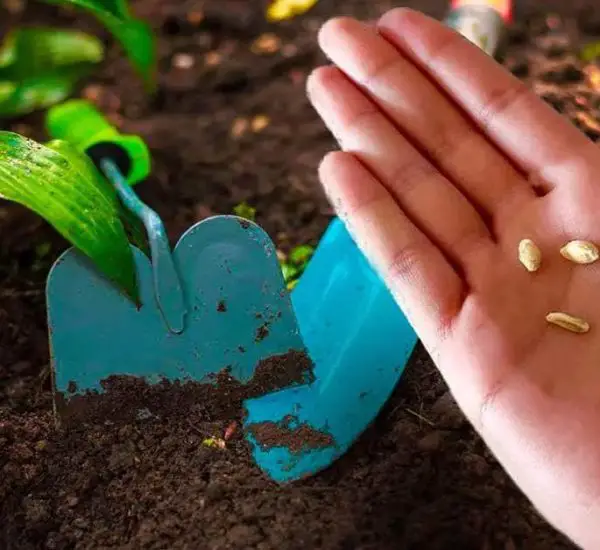
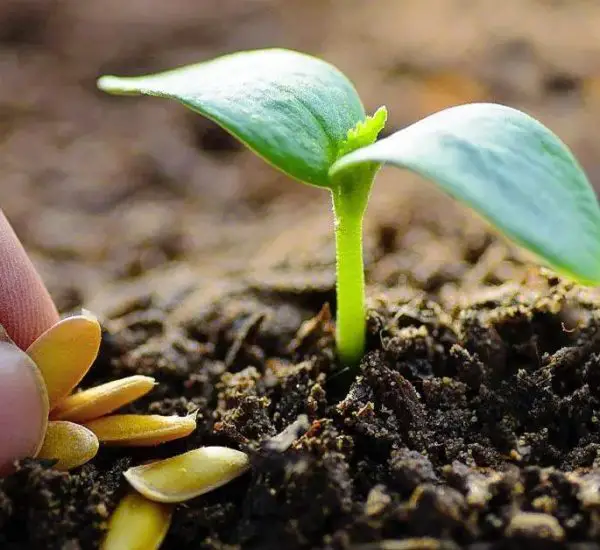
Plant watermelon seeds or seedlings directly in the garden after the last frost date in your area. Prepare the soil by incorporating organic matter and compost to enhance fertility. Create mounds or hills to improve drainage and warm the soil faster.
Watering and Mulching:
Watermelons are moisture-loving plants, so ensure consistent watering throughout the growing season. To retain soil moisture and suppress weeds, apply a layer of organic mulch around the base of the plants. This also helps to keep the fruit clean and reduces the risk of soil-borne diseases.
Support and Space:
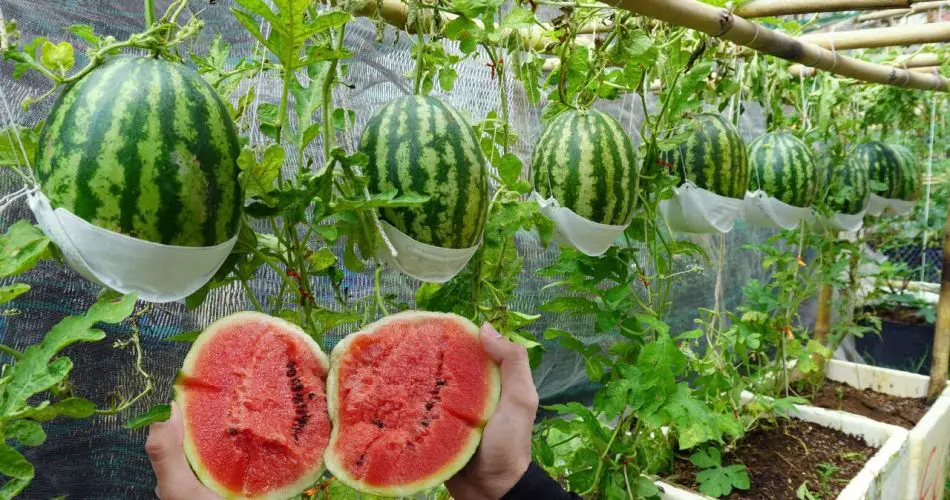
As watermelon vines sprawl, providing support for the growing fruits is essential. Use trellises or slings to support developing watermelons and prevent them from resting directly on the ground. Adequate spacing between plants ensures good air circulation, reducing the risk of fungal diseases.
Feeding and Fertilizing:
Watermelons are heavy feeders, requiring a balanced fertilizer with a focus on phosphorus and potassium. Begin fertilizing when vines start to develop runners and continue throughout the growing season. Follow the recommended application rates on the fertilizer packaging.
Harvesting at the Right Time:
Knowing when to harvest is crucial for achieving sweet and flavorful watermelons. Keep an eye on the tendril closest to the stem – when it turns brown and begins to wither, the watermelon is likely ripe. Thump the fruit; a deep, hollow sound indicates ripeness. Additionally, check for a creamy yellow spot on the underside, signaling maturity.
Conclusion:
Growing large, red, and sweet watermelons at home is a rewarding endeavor that brings the joys of gardening and the pleasures of enjoying your own delicious harvest. By following these tips, you’ll be well on your way to cultivating the perfect watermelon, making your home garden a haven for summertime sweetness.