Turmeric, often referred to as “Indian saffron” due to its distinctive yellow color, is more than just a popular spice in Indian cuisine. Known for its robust flavor and powerful health benefits, turmeric also proves to be an unexpected ally in the garden. In addition to its culinary and medicinal uses, turmeric offers several benefits for plant care. Let’s explore how this vibrant herb can help nurture your garden.
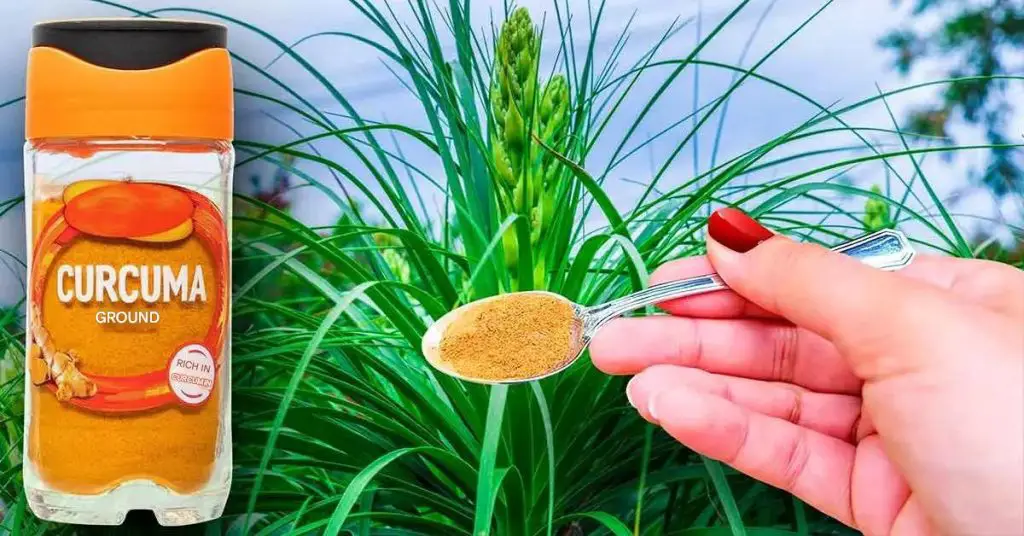
Turmeric’s Benefits for Plants
Turmeric is not only a health booster for humans but also a valuable natural remedy for various plant issues. Here are some of the key benefits of using turmeric in your garden:
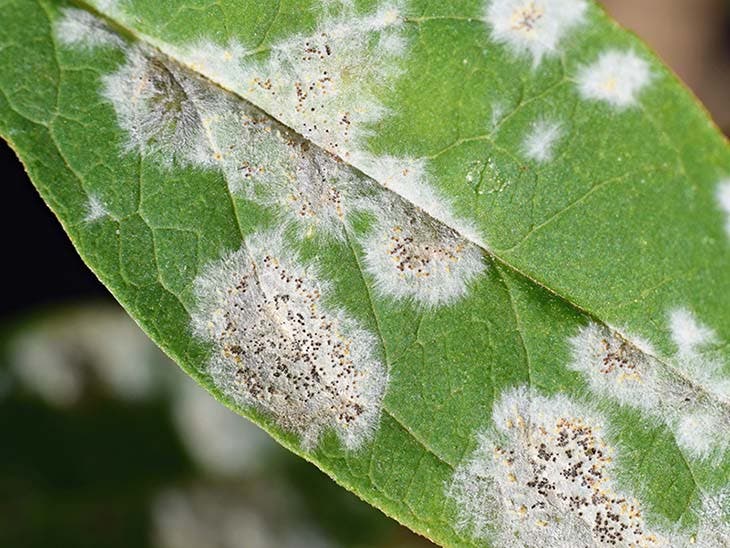
1. Treats Plant Diseases
One of the most significant benefits of turmeric is its ability to treat plant diseases. When plants are infected with fungal diseases, such as powdery mildew (the infamous “white disease”), turmeric can be a natural and effective remedy. Powdery mildew is a common problem, especially in humid conditions or during temperature changes. Instead of turning to harsh chemicals, turmeric can be used as a fungicide to combat this issue.
2. Fungicidal Action
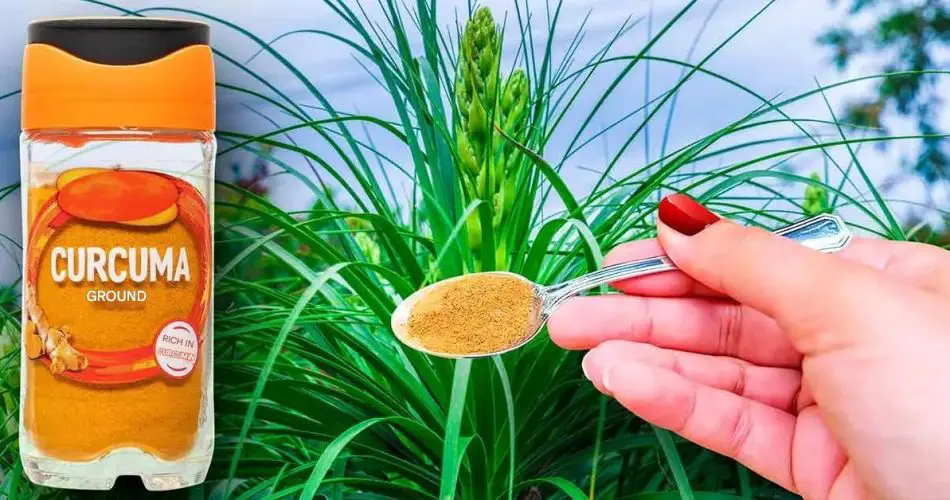
Turmeric contains curcumin, a powerful compound with strong antimicrobial and anti-inflammatory properties. These properties make turmeric an excellent natural fungicide, capable of preventing and treating fungal infections in plants. To use turmeric as a fungicide, mix two parts ash with one part turmeric powder and apply the mixture directly to the affected areas of your plants. This will help eliminate fungal diseases without the need for chemical treatments.
3. Repels Insects and Pests
Turmeric is not only effective against plant diseases but also serves as a natural pesticide. The strong smell of turmeric acts as a deterrent, preventing insects and pests from invading your garden. By sprinkling turmeric powder around your plants, you can keep common garden pests at bay, protecting your plants without resorting to harmful chemical pesticides.
How to Use Turmeric in Your Garden

To make the most of turmeric’s benefits, here’s how you can apply it effectively:
- Powdery Mildew Treatment: Prepare a mixture of two parts ash and one part turmeric. Sprinkle this mixture directly onto the affected areas of the plant to combat fungal infections like powdery mildew.
- Natural Pesticide: Simply dust your plants and soil with turmeric powder to help repel pests and insects. This is an eco-friendly way to protect your plants from harm.
Additionally, instead of purchasing turmeric, you can easily grow it at home from a small piece of turmeric rhizome. Growing your own turmeric ensures a bountiful supply right at your fingertips, allowing you to enjoy its benefits both in the kitchen and the garden.
Turmeric for Gardeners’ Skin Care
Gardening often leads to small cuts, scrapes, and insect bites. For these everyday gardening accidents, turmeric can be a helpful remedy. Its anti-inflammatory and emollient properties make it ideal for soothing skin irritations. Applying turmeric to a minor wound or bite can reduce itching, disinfect the area, and prevent infection. So, the next time you get a small scratch while tending to your plants, turmeric can offer natural relief.
Conclusion
Turmeric is more than just a spice for your dishes—it’s a natural powerhouse for your garden as well. Whether you’re dealing with plant diseases, fungal infections, or pesky pests, turmeric offers an eco-friendly and effective solution. By incorporating turmeric into your gardening routine, you can maintain a healthy, thriving garden while avoiding harmful chemicals. Plus, with the added benefit of soothing skin irritations, turmeric truly proves to be a multi-purpose garden essential.