The Gendarme (Pyrrhocoris Apterus): The Harmless Insect
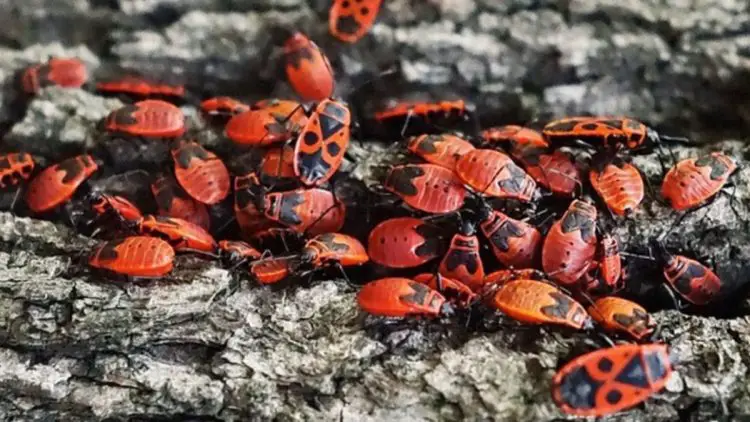
Firebugs, scientifically known as Pyrrhocoris apterus, are a group of insects often misunderstood due to their vibrant red color. Commonly referred to as fire beetles, this article aims to clarify the misconceptions surrounding these insects, exploring whether they are a nuisance or actually beneficial.
Characteristics of Firebugs:
- Appearance: Typically measuring between one and two centimeters, firebugs exhibit a bright red color, occasionally adorned with black or dark spots.
- Diet: Primarily herbivores, firebugs feed on flowers, fruits, and seeds. In some instances, they may consume small insects and mites.
Myth Busting: Can Firebugs Bite?
One common misconception is that firebugs can bite. While they possess mouthparts capable of stinging to extract plant sap, firebugs are not aggressive towards humans. Their stinging attempts are rare, and accidental contact or crushing may result in the secretion of an unpleasant substance. This secretion has a strong odor but is neither toxic nor harmful.
The Beneficial Role of Firebugs:
- Pollination and Phytophagy: Firebugs play a crucial role in ecosystems as pollinators and herbivores, contributing to the overall health of the environment.
- Natural Pest Control: By attracting beneficial insects like spiders and ladybugs, firebugs indirectly assist in controlling pest populations. This natural balance helps reduce the numbers of harmful insects.
- Environmental Indicators: Firebugs are sensitive to environmental changes, making them indicators of ecosystem health. A sudden decline in the firebug population may signal issues with air or water quality.
Do Firebugs Destroy Gardens?
Contrary to the misconception that firebugs destroy gardens, their diet is diverse. While they may occasionally feed on insect eggs and dead insects, their primary food sources include dead flower debris and falling seeds. Firebugs reside mainly on the ground, but they can also be found in the herbaceous layer or on tree trunks. Although they have preferences for certain plants, they generally do not cause harm to flowers and plants.
Managing Firebugs:
If you find the presence of firebugs bothersome, consider the following options:
- Collect them in a bucket and relocate the population to another area.
- Create alternative habitats, such as placing a woodpile in a different corner of the garden.
- Use balsam fir shreds or twigs as mulch in areas where insects congregate.
Ultimately, allowing firebugs to coexist in your garden contributes to a balanced ecosystem. They are harmless and assist in maintaining a clean and thriving environment.