Learn how to grow star anise and enjoy an unlimited supply of this flavorful spice in your garden!
Star anise is a spice widely used in Southeast Asian cuisines. Easy to grow in tropical regions, the plant is adorned with beautiful flowers and star-shaped fruits. If you love its earthy flavor, learn how to grow star anise in this informative article!
Star Anise Profile
Star anise has its roots in southeastern China, and 80 to 90 percent of the world’s production is indigenous to this location. It is mainly grown for commercial purposes and exported to various parts of the world. Star anise grows best in subtropical regions and should be grown in greenhouses in cold regions.
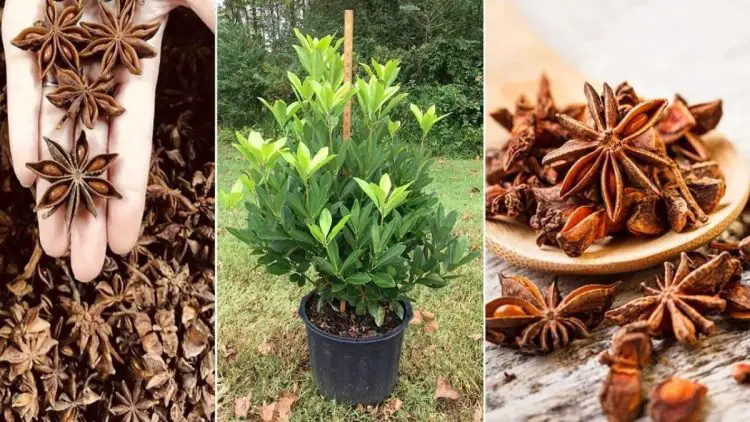
This tropical evergreen tree can grow 15 to 20 feet tall. It has large, shiny green foliage and its white flowers are magnificent and have great decorative value. The fruit has eight carpels forming a star, hence its name.
Propagation of star anise
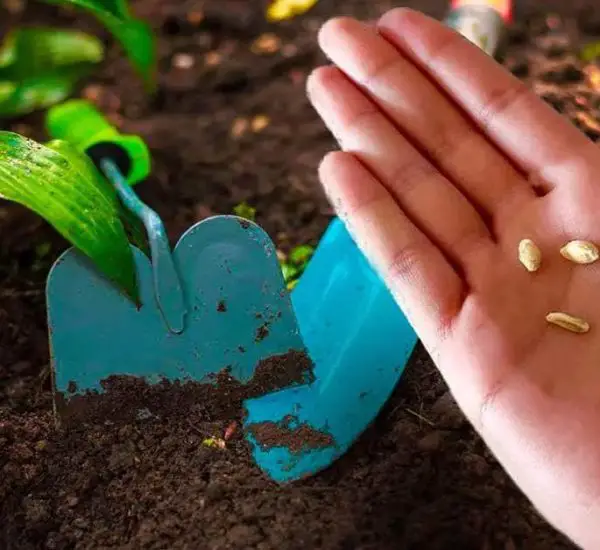
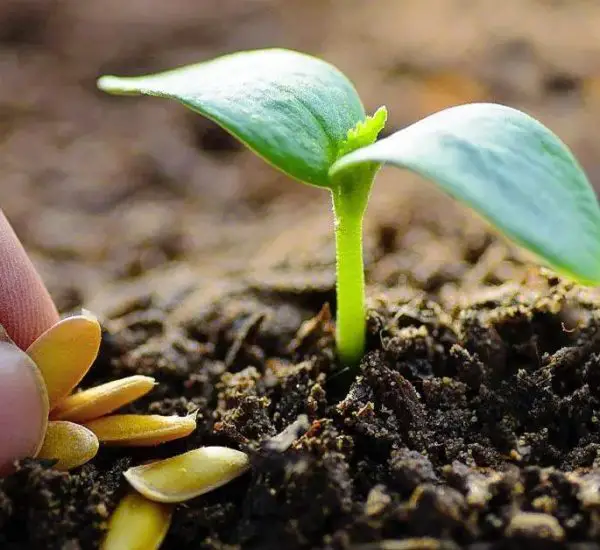
Star anise is propagated by seeds or cuttings. Seeds propagate best when the temperature is between 18 and 20°C. As the seeds do not like transplanting, you can sow them directly in the pot or garden.
Water the seeds frequently to keep the soil moist, and make sure the pot has enough drainage holes at the bottom to drain excess water.
If growing cuttings, cut a healthy 5- to 6-inch stem of hardwood near the leaf node, scrape the ends, and plant it in a mixture of peat moss, perlite, and sand. Water well and give it plenty of light.
Note: Seed propagation is the recommended method for growing star anise. However, this is a time-consuming process, so you may want to consider getting a well-grown plant from a nursery and growing it at home.
Choosing the right pot
Don’t worry if you don’t have a big garden. Star anise does very well in pots. Start seeds in a 12 to 14 inch pot. Transplant them into a pot of a larger size when you notice the roots coming out of the drainage hole.
Requirements for growing star anise
- The sunlight
Star anise needs shade and partial sun, but plant it in a warm, sunny location if you are growing star anise in a cooler climate. Choose a location that is not exposed to cold, dry winds.
Also keep the plant out of afternoon sun which could burn its leaves.
- Temperature and humidity
Star anise is native to Vietnam and China and prefers a warm subtropical climate with high humidity. It is vulnerable to freezing and does not survive in areas where temperatures are below 15 F or -10 C.
If you live in an area colder than USDA zone 9, plant star anise in a container to keep in a greenhouse or indoors in winter. Also use a humidifier or external heat source to help the plant survive.
- Floor
Star anise needs a well-draining and slightly acidic environment. If you are growing it in a pot, the ideal mix would be a mixture of peat moss, river sand, well-rotted manure and a handful of perlite.
The plant grows very well between a pH of 6.0 and 7.5.
- Watering
The fruits of the plant grow best in a humid environment. Keep the soil slightly moist at all times. However, be careful not to overwater.
Reduce watering during wet, cold months, but don’t let the medium dry out completely.
Star Anise Care
- Fertilizer
If you have amended the growing medium with lots of organic matter, don’t worry too much about feeding the plant. Use aged manure or compost once a month to stimulate growth. You can also use a balanced liquid fertilizer, diluted to 1/4 strength, once every 4 to 6 weeks.
- Pests and diseases
There are no pests or diseases specific to star anise. Star anise itself has antibacterial and repellent properties. However, it can occasionally fall victim to fungal infestations such as early blight or downy mildew.
Cut off affected stems and use an insecticidal soap solution to combat disease. Avoid watering too often to prevent further infestation.
- Size
Star anise is a beautiful hedge plant. When the plant is young, pinch it and prune it if you want to make it bushier. There are no special size requirements. However, you can always prune dead, diseased and weak branches.
Harvesting star anise
Star anise takes at least 6 years to fruit if grown from seed. These fruits are picked unripe when they are still green. Later, these fruits are dried in the sun until they turn a red-brown color. The seeds can be removed once the fruits are ready for storage.
- Using Star Anise
This flavorful spice adds a rich aroma to meat dishes, stews, soups, stocks and other savory dishes. It is also used in desserts and drinks. Clove is an essential part of Chinese cuisine and is used in various South Asian cuisines.
Along with fennel seeds, cloves, cinnamon and pepper, it is considered one of the “Chinese five spices”, used for their strong taste and spicy flavor. Besides its culinary uses, the spice also has several pharmacological benefits.