
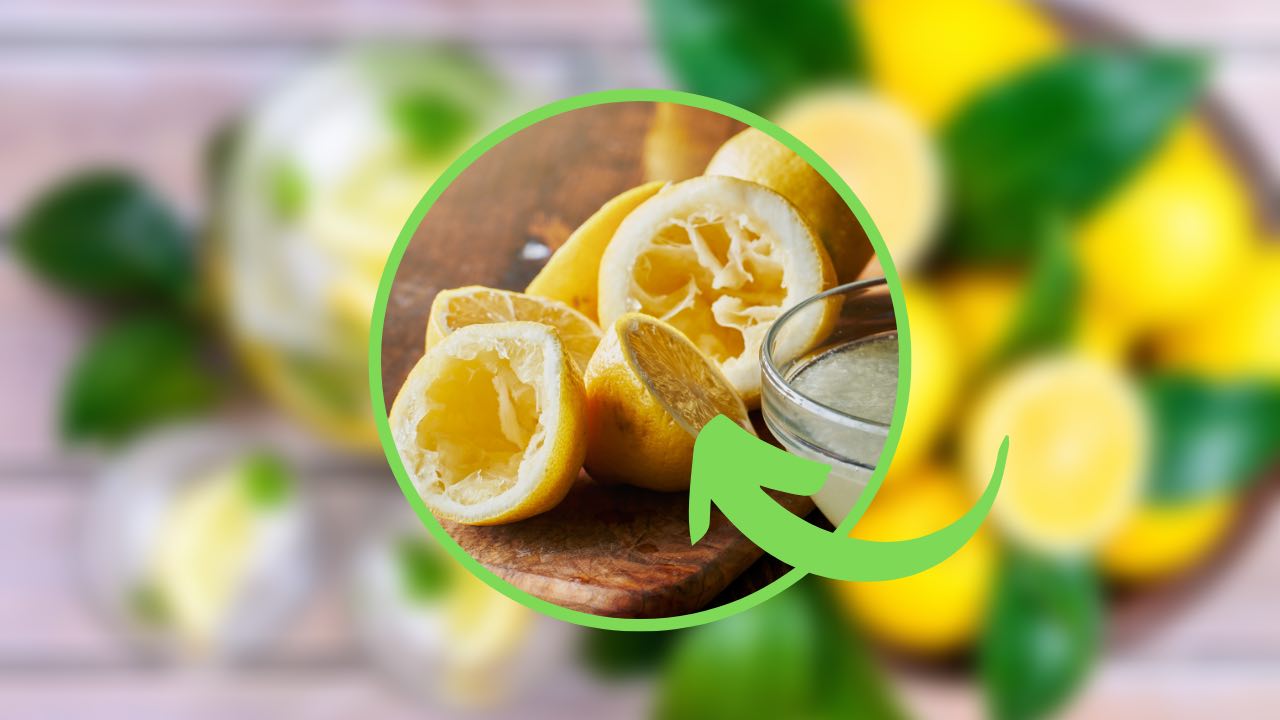
When you squeeze a lemon, the first instinct is often to throw it away, thinking it’s no longer useful. However, this citrus fruit is far from being just a kitchen ingredient—it can be used in countless ways beyond the juice.
Lemon: More Than Just a Flavoring Ingredient
Lemon is a versatile ingredient, enhancing the flavor of dishes from meat and fish to sweet doughs. Not only does the juice bring out the best flavors, but the peel and even the pulp can be put to good use in ways you might not have thought of.
The next time you squeeze a lemon, don’t discard the peel or pulp—they can be repurposed in ways that will save you time and money.

Repurpose Lemon Peel, Pulp, and Juice for Household and Beauty Products
Lemon has a long history of being used for household cleaning and beauty products. It’s a natural degreaser and disinfectant, which is why it’s often used in the kitchen to clean dishes, pots, and gas stoves, without the need for harsh chemicals. It’s an all-natural alternative that’s both effective and safer for your health.
In addition to cleaning, lemon can also be used in the laundry to remove grease stains. Unlike commercial stain removers, lemon is gentle and works on any fabric, whether cotton or synthetic, without damaging or discoloring the material.
Remove Stubborn Stains with Lemon Peel and a Secret Ingredient

To tackle stubborn stains on clothes, use lemon peel as a natural stain remover. Simply rub the peel directly on the stain, wait a few minutes, and then wash as usual. If the stain persists, mix a little baking soda with the lemon peel to create a powerful stain-fighting paste. This combination will help remove even the most difficult stains.
Disinfect and Clean Kitchen Surfaces

Lemon is not only a natural cleaner, but it’s also a disinfectant. You can use it to sanitize your kitchen surfaces, such as the sink. Combine lemon with baking soda and scrub the sink, and it will become sparkling clean, smelling fresh and sanitized.
Additionally, lemon is great for cleaning pipes, as it helps to eliminate bad smells and disinfects them. For your coffee maker, lemon peel can be used to remove the stubborn stains that often accumulate on the sides. Simply place the peel inside, add some salt and ice, and let it sit overnight. The next morning, scrub the coffee maker with the peel, and you’ll have a shiny, fresh coffee maker ready for use.
Make Your Own Multipurpose Degreasing Cleaner
One of the easiest ways to make a natural cleaner for all surfaces is to create your own multipurpose degreaser using lemon peels. Place the peels in a container, cover them with white vinegar, and let them sit for about two weeks. After that, strain the liquid, and you’ll have a natural, citrus-scented cleaner that’s perfect for countertops, stoves, and even bathroom surfaces.
Clean Your Wooden Cutting Board with Lemon Peels
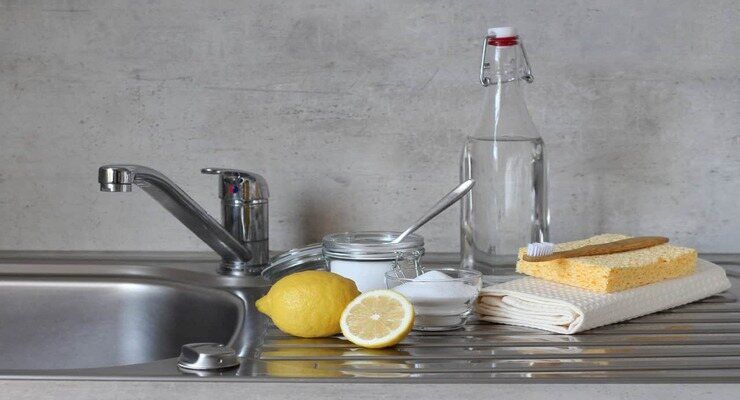
Finally, for those stubborn wooden cutting board stains, lemon peel can come to the rescue. Rub the lemon peel directly on the stains and dirt on your cutting board, much like you would with a banana peel on some surfaces. You’ll be amazed at how quickly your cutting board will look clean and fresh.
Conclusion: Lemon is a Natural Panacea
Lemon is more than just a flavoring or decorative fruit—it’s a true panacea for many household tasks. From cleaning to stain removal, and even beauty hacks, don’t make the mistake of tossing your squeezed lemons. Repurpose them to get the most out of their natural properties.