Did you know that there’s a plant that can help with the smell in your home, especially from smoke? It’s called the smoke-eating plant, and it’s more than just an interesting name—it’s a hardy, tropical plant that brings many benefits. Let’s explore what makes this plant so special and how it can help keep your home smelling fresh.

What Is the Smoke-Eating Plant?
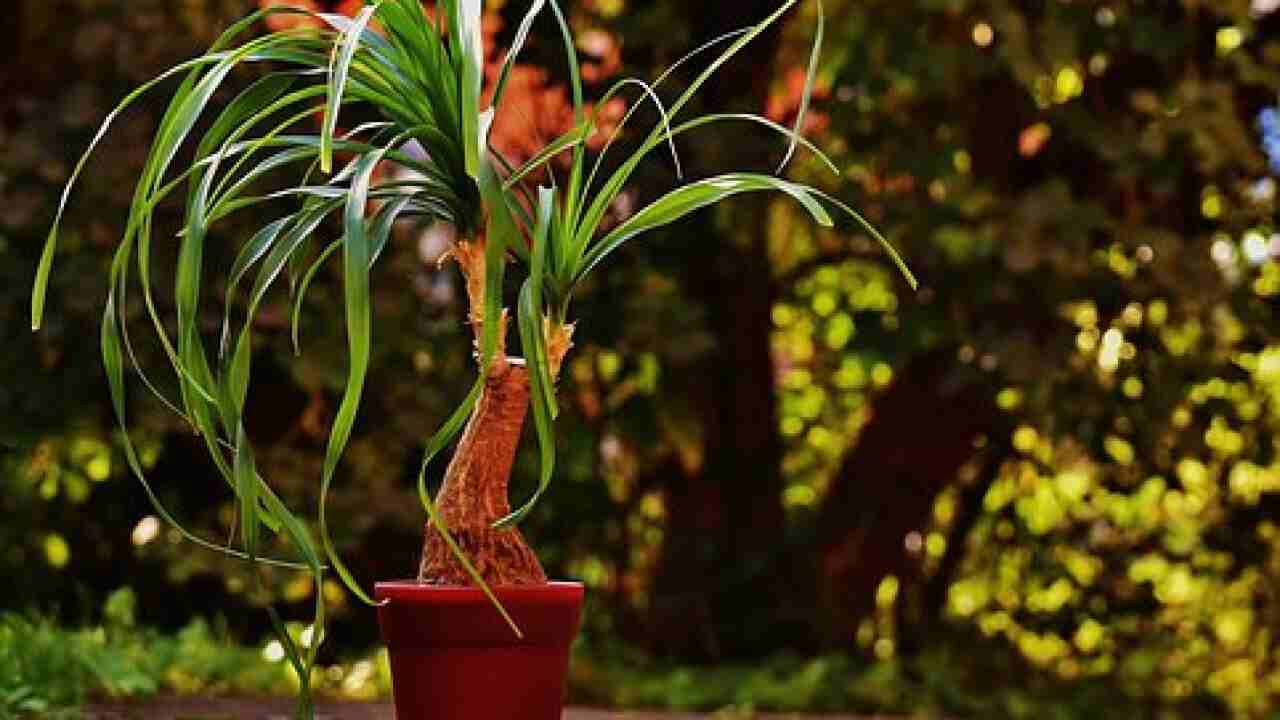
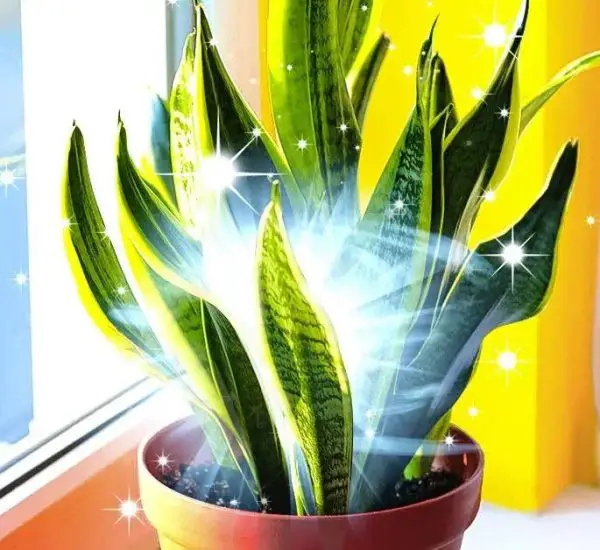
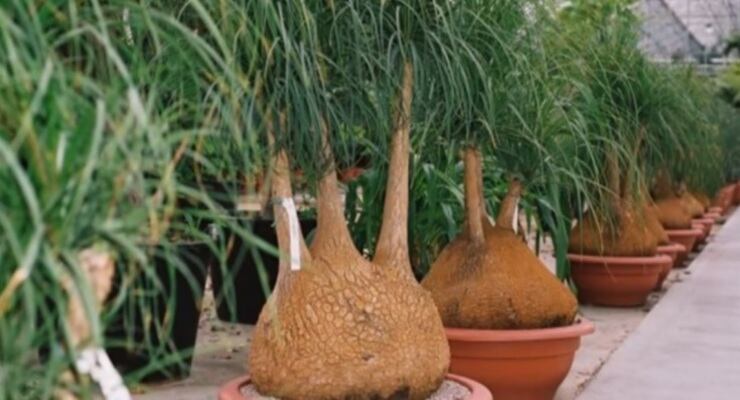
The smoke-eating plant is actually a tropical species from the Agavaceae family, native to the dry regions of Central America. It’s a slow-growing plant with unique features. The plant has a semi-woody stem that is swollen near the base, which acts as a water reservoir. At the top, it has long, curved, bright green leaves that can grow up to 2 meters long. While it rarely blooms, when it does, the flowers are small and yellow, and the fruit is a capsule containing seeds.
Different Varieties of the Smoke-Eating Plant
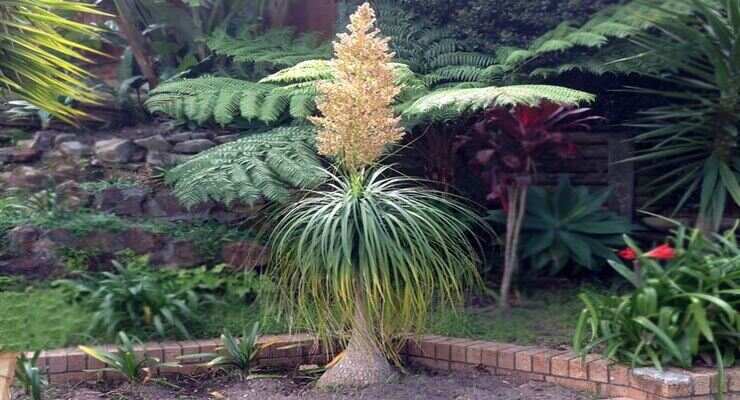
The Beaucarnea is the scientific name for the smoke-eating plant, and there are several varieties within this species, all originating from Mexico. Among the most popular types are:
- Beaucarnea recurvata: Known as the Ponytail Palm, it has a palm-like appearance and can grow to be a large tree up to 15 meters tall.
- Beaucarnea longifolia: This variety has long, thin leaves and can grow up to 1 meter in length.
- Beaucarnea gracilis: Characterized by a fleshy stem and red flowers, it’s a slightly more compact version of the plant.
- Beaucarnea stricta: Known for its rigid leaves, this type typically requires very specific conditions to bloom.
How to Care for the Smoke-Eating Plant
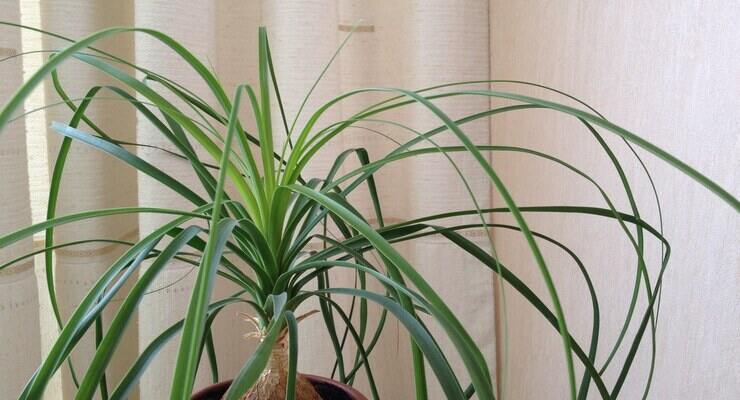
The smoke-eating plant is easy to care for, making it a great addition to your home, whether you have a green thumb or not. Here’s what you need to know:
- Potting and Soil: If you have your plant in a pot, it’s best to repot it only when the container is too small. Use a mix of peat and sand to ensure good drainage, and choose terracotta pots for better breathability.
- Light Requirements: The smoke-eating plant thrives in abundant light, and can even tolerate direct sunlight, unlike many other plants. It requires a bright spot in your home to grow well.
- Temperature: This plant adapts well to interior climates. It prefers temperatures ranging from 10°C to 30°C (50°F to 86°F), so it’s ideal for most indoor environments.
- Watering: To avoid overwatering, make sure to empty the saucer under the pot after watering. It’s important to avoid water stagnation, which could harm the plant. During the colder months, suspend watering, as the plant will use the water stored in its trunk to survive.
Unique Features and Misconceptions
While the plant’s name might suggest it can neutralize smoke, that’s a myth. It’s called the smoke-eating plant because it’s known to survive fires—a remarkable feature considering many other plants would not. It doesn’t actually absorb smoke from the air, but it can endure harsh conditions and still thrive.
Price and Availability
The cost of the smoke-eating plant can vary depending on the size and age of the plant. Larger specimens, especially those with a swollen base, tend to be more expensive. While smaller plants may be relatively affordable, larger plants can reach quite a high price, particularly if they are several meters tall. However, this plant is still an affordable and effective way to decorate your space while helping to purify the air.
Conclusion
The smoke-eating plant is not only an attractive addition to your home, but it’s also a tough and low-maintenance plant that can survive in various indoor conditions. Though it doesn’t actually absorb smoke, it does have a remarkable ability to withstand fires, making it a symbol of resilience. With its easy care requirements, unique appearance, and affordable price, it’s an ideal plant for those who want to add a touch of greenery to their home without worrying about complex care routines.