Green and Sustainable: Growing Coriander with Smart Plastic Bottle Planters
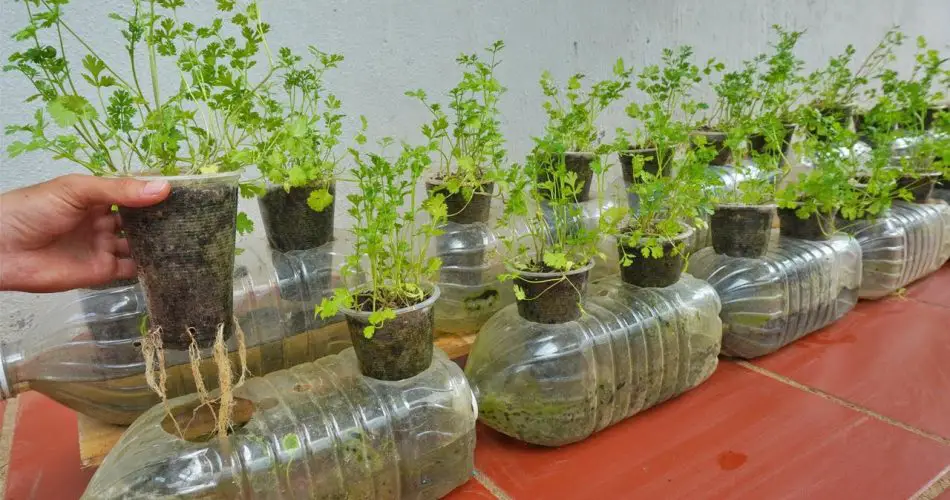
In the pursuit of sustainable and creative gardening solutions, the idea of using plastic bottles as planters for growing coriander emerges as a smart and eco-friendly alternative. This innovative approach not only repurposes plastic waste but also provides a fast and easy way to cultivate fresh coriander right at home. Let’s delve into this ingenious gardening hack and discover how simple and effective it can be.
Materials Needed:
- Plastic Bottles: Choose empty plastic bottles with a capacity of at least 1 to 2 liters. Ensure they are clean and free from any residual liquids.
- Sharp Knife or Scissors: A sharp cutting tool is essential for precision while creating the planters from the plastic bottles.
- Potting Mix: Opt for a well-draining and nutrient-rich potting mix suitable for herbs like coriander.
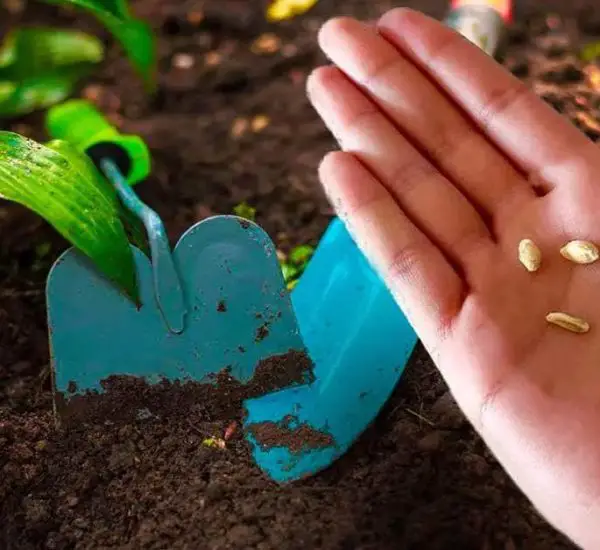
- Coriander Seeds or Seedlings: Decide whether you want to start with coriander seeds or purchase seedlings from a local nursery.
Procedure:
- Prepare the Plastic Bottles:
- Using a sharp knife or scissors, carefully cut the plastic bottles in half, creating two planter sections. The bottom half will serve as the pot, while the top half can be used as a protective cover or a drip tray.
- Create Drainage Holes:
- Make several small drainage holes at the bottom of the plastic bottle pot to ensure proper water drainage. This prevents waterlogged soil and promotes healthy root development.
- Fill with Potting Mix:
- Fill the bottom half of the plastic bottle with the chosen potting mix. Leave some space at the top to accommodate the coriander seeds or seedlings.
- Plant Coriander Seeds or Seedlings:
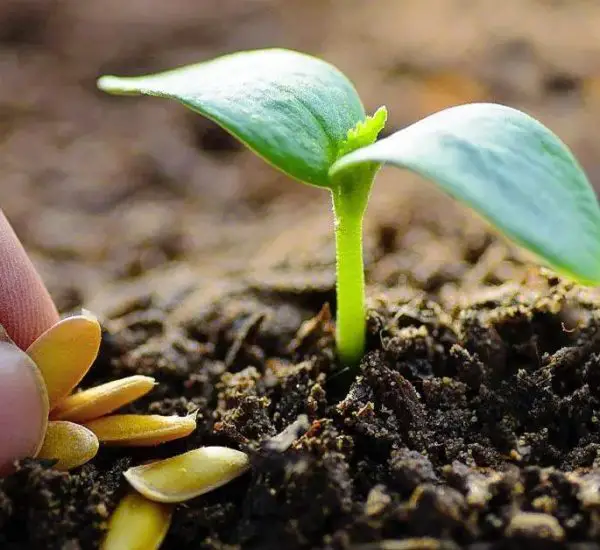
- If starting from seeds, sow them directly into the potting mix and lightly cover with a thin layer of soil. For seedlings, transplant them gently into the prepared plastic bottle pot.
- Watering:
- Water the coriander seeds or seedlings thoroughly after planting. Ensure the soil remains consistently moist but not waterlogged.
- Protective Cover (Optional):
- If using the top half of the plastic bottle as a protective cover, place it over the planted seeds or seedlings. This acts as a mini greenhouse, creating a warm and humid environment conducive to germination.
- Place in a Sunny Location:
- Position the plastic bottle coriander planters in a sunny location. Coriander thrives in well-lit areas, receiving at least 4-6 hours of sunlight per day.
- Harvesting:
- As the coriander grows, you can begin harvesting leaves once they reach a suitable size. Trim the leaves as needed, allowing the plant to continue producing fresh foliage.
Benefits of Plastic Bottle Planters for Coriander:
- Upcycling Plastic Waste:
- Repurposing plastic bottles for gardening helps reduce plastic waste, contributing to a more sustainable and eco-friendly lifestyle.
- Cost-Effective:
- Plastic bottle planters are a cost-effective alternative to traditional pots, making gardening accessible to those on a budget.
- Portable and Lightweight:
- The lightweight nature of plastic bottle planters makes them easily transportable, allowing you to move your coriander garden as needed.
The smart idea of using plastic bottles to grow coriander not only showcases innovation in gardening but also promotes sustainability by repurposing common household items. Try this fast and easy method to enjoy the benefits of fresh, homegrown coriander while contributing to a greener and more environmentally conscious way of gardening.