Early spring is a critical time for grape pruning, essential not only for the vine’s health but also for ensuring a bountiful harvest. This practice is pivotal in guiding the vine’s growth and maximizing its productivity throughout the season.
Optimal Timing and Conditions: March is generally the ideal month for pruning grapes, coinciding with stable air temperatures above +5°C. Many gardeners advocate pruning during the waning moon phase, believing it helps to control shoot growth.
Sanitary Pruning: Before beginning formal pruning, conduct a thorough inspection of the vine. Remove any damaged, diseased, or dry branches in a process known as sanitary pruning. This initial step sets the stage for healthier growth.
Formative and Rejuvenating Pruning: Depending on the age and variety of the grapes, different pruning techniques are employed. Young vines (up to 3 years old) benefit from gentle pruning aimed at shaping the bush structure. Mature vines require more extensive pruning to manage and regulate the number of shoots effectively.
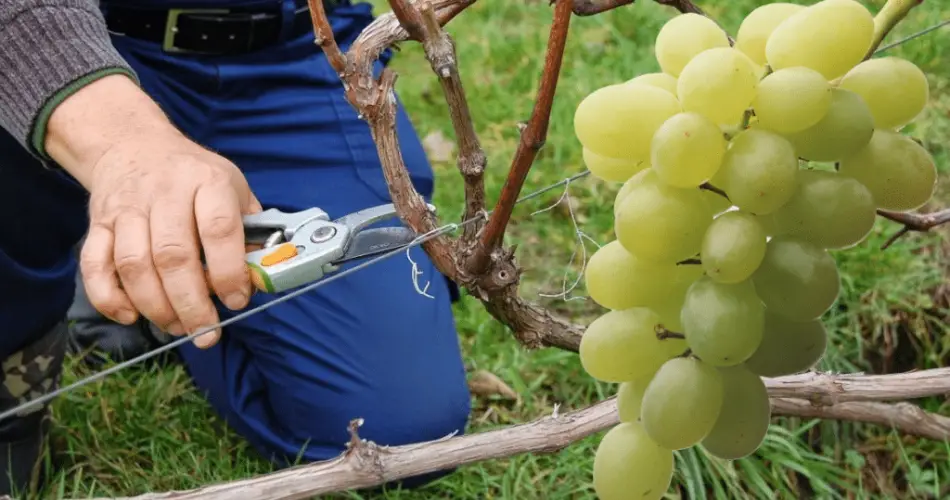
Tools and Techniques: Equip yourself with sharp secateurs, a knife, and a saw for cutting larger branches. Ensure cuts are made at sharp angles and treat them with a garden decoction to prevent infections from spreading.
Adaptation and Experimentation: Don’t hesitate to experiment with various pruning methods to find what works best for your grapevine and local climate conditions. Precision and attention to detail are key to ensuring the vine’s health and a plentiful yield of succulent berries.
By adhering to these principles of grape pruning in early March, you lay the foundation for a thriving vineyard that rewards you with abundant, sweet fruit. Embrace the art of pruning as a vital skill in vine care, ensuring the longevity and productivity of your grapevines for years to come.