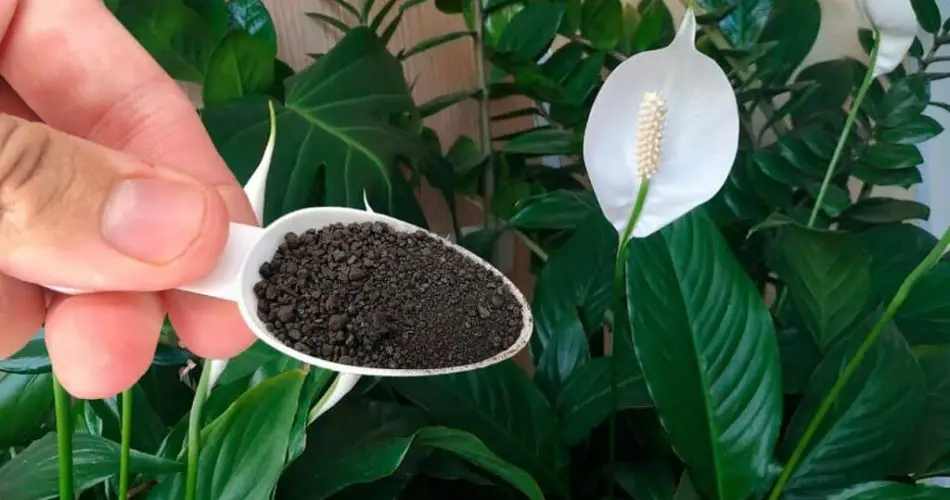
Spathiphyllum, commonly known as the peace lily, is cherished for its lush foliage and elegant white blooms. However, maintaining consistent flowering can be challenging without proper care and nutrition. In this guide, we explore the restoration of Spathiphyllum flowering through the creation of an effective feeding mixture, ensuring your plant thrives and blooms abundantly.
Understanding Spathiphyllum Nutritional Needs:
Spathiphyllum plants require a balanced diet of essential nutrients to support healthy growth and flowering. Key nutrients include nitrogen (N), phosphorus (P), potassium (K), and trace minerals. Crafting a feeding mixture that addresses these nutritional requirements is crucial for encouraging robust blooms.
Creating an Effective Feeding Mixture:
Here’s a simple yet potent recipe for a feeding mixture tailored to rejuvenate Spathiphyllum blooms:
Ingredients:
- All-Purpose Fertilizer: Choose a water-soluble, balanced fertilizer with equal parts nitrogen, phosphorus, and potassium (e.g., 20-20-20).
- Epsom Salt: Rich in magnesium, Epsom salt promotes vibrant green foliage and enhances flower production.
- Organic Matter (Optional): Compost or organic plant food can provide additional micronutrients and improve soil health.
Instructions:
- Measure Ingredients: For a gallon of feeding mixture, use 1 teaspoon of all-purpose fertilizer and 1/4 teaspoon of Epsom salt. Adjust quantities accordingly based on the size of your watering can or container.
- Dissolve in Water: Fill a watering can with lukewarm water and add the measured amounts of fertilizer and Epsom salt. Stir well to ensure thorough dissolution.
- Application Frequency: Apply the feeding mixture to your Spathiphyllum plant once every 2-4 weeks during the growing season (spring and summer). Reduce frequency to once every 6-8 weeks during the dormant season (fall and winter).
- Watering Technique: Water your Spathiphyllum thoroughly with the feeding mixture until excess liquid drains from the bottom of the pot. Avoid waterlogging the soil, as Spathiphyllum roots are susceptible to rot.
- Monitor Plant Response: Observe your Spathiphyllum plant for signs of improved growth and flowering. Adjust feeding frequency or concentration if necessary based on plant response.
Pro Tips for Success:
- Consistency is Key: Maintain a regular feeding schedule to provide your Spathiphyllum plant with consistent nutrition throughout the growing season.
- Avoid Overfeeding: Follow recommended dosage guidelines to prevent nutrient imbalances or fertilizer burn.
- Water Quality: Use lukewarm water or allow tap water to sit overnight to dissipate chlorine and fluoride, which can hinder nutrient absorption.
- Pruning and Maintenance: Remove spent blooms and yellowing leaves to promote new growth and prevent nutrient diversion.
Conclusion:
Restoring Spathiphyllum flowering requires a strategic approach to nutrition and care. By crafting and applying an effective feeding mixture tailored to the plant’s needs, you can rejuvenate blooms and revitalize your Spathiphyllum plant, transforming it into a stunning centerpiece of natural beauty in your home or garden.