Among the many uses of tin foil, one surprising application is placing it in plant pots. Here’s why this simple trick is gaining popularity among plant lovers!
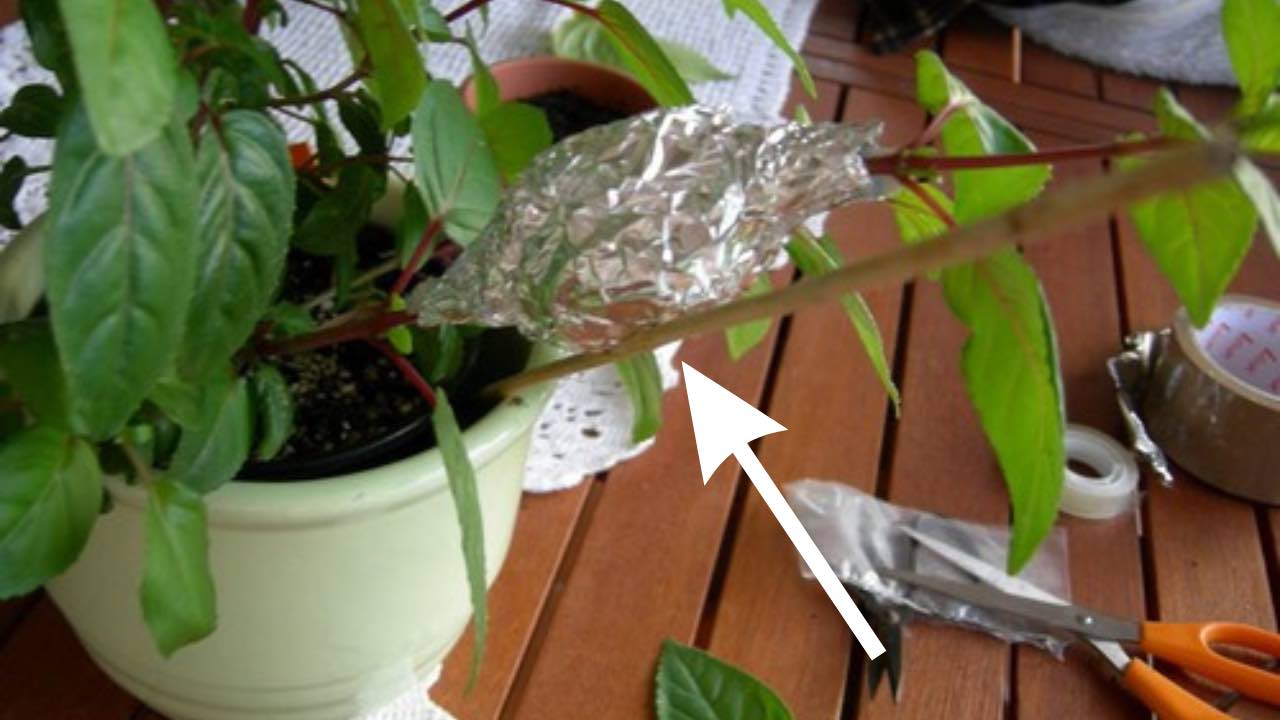
The Challenges of Plant Care
For those who love and care for plants, keeping up with their unique needs can be challenging. Each species has specific requirements that can vary greatly. You can’t water all plants the same way, nor can you expose them to sunlight without considering their biological needs.
A Surprising Gardening Hack
Today, we’ll introduce a simple yet effective method to enhance the growth and flowering of your plants: using tin foil. Typically associated with kitchen use, this versatile material can also become your trusty ally in the garden!
Why Use Tin Foil?
Tin foil is usually thought of as a kitchen staple for preserving food or wrapping dishes for cooking. However, its reflective properties make it an excellent addition to your gardening toolkit. Here’s how to put it to good use:
How to Use Tin Foil in Gardening
Using tin foil in your plant care routine is easy and resourceful. You can even recycle small pieces of foil you’ve already used. Here’s what to do:
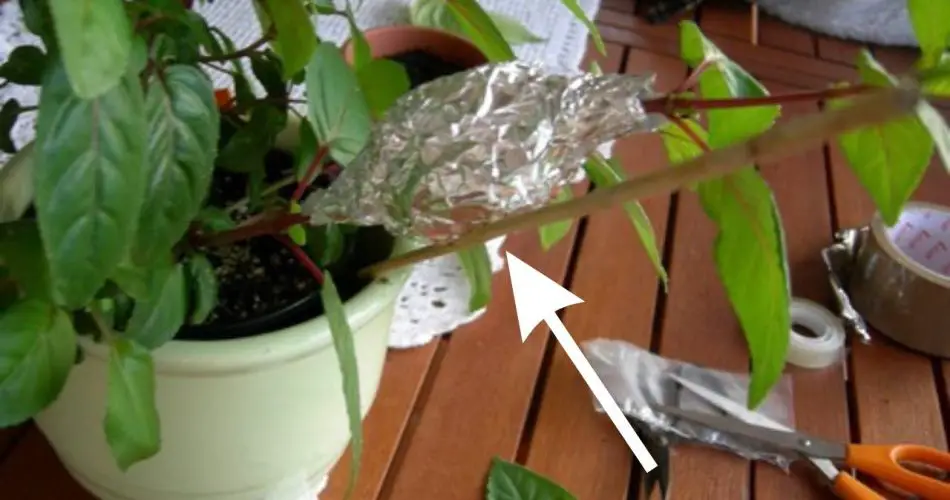
- Create a “bed”: Take strips of aluminum foil and lay them in the bottom of your plant pot.
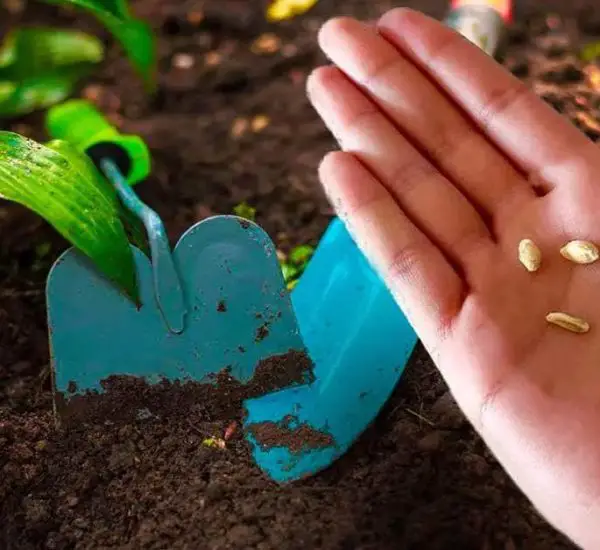
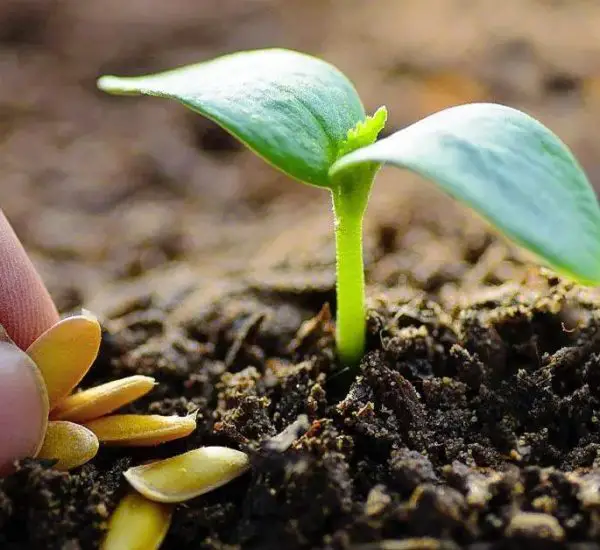
- Add soil and seeds: On top of the foil, place soil and then your chosen seeds.
The tin foil beneath the soil enhances the growth process, promoting faster germination. This happens because the foil reflects sunlight, creating additional warmth from below, which is ideal for seed germination.
Protecting Your Garden
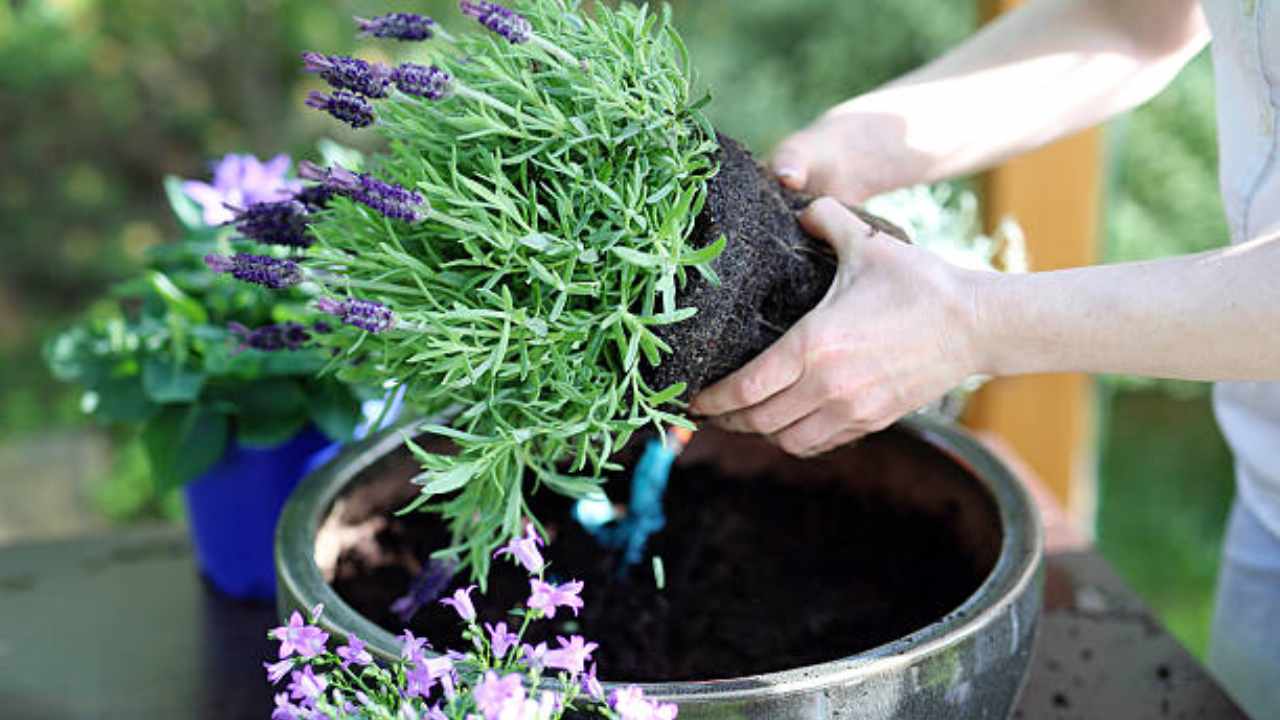
For anyone with a vegetable patch or a garden, you know that small animals and birds can pose a threat to your hard work. To deter these pests, you can use tin foil creatively:
- Cut small squares of tin foil and hang them on a string near your plants.
- As the wind moves the foil, it will reflect sunlight everywhere, making it uncomfortable for birds and insects, thus encouraging them to stay away.
Conclusion
Using tin foil in your gardening routine is an innovative and effective way to support your plants’ growth and protect them from pests. This simple household item can make a significant difference in your gardening success!