Planting a balcony can be a rewarding endeavor, even if you have limited space or unfavorable orientation.
Here are some tips to help you plant your balcony effectively:
Step 1: Determine Your Planting Goals
Decide whether you want to focus on decorative plants or if you also want to grow fruits, vegetables, and aromatic herbs. Consider your preferences and how you plan to use the plants.
Step 2: Assess Balcony Orientation
Understand the geographical orientation of your balcony to choose suitable plants. South-facing balconies receive more sunlight, while north-facing balconies receive less. East and west-facing balconies experience different sunlight patterns throughout the day.
- South-facing balconies: Plant sun-loving flowers and vegetables.
- East and west-facing balconies: Choose plants that can tolerate both sun and partial shade.
- North-facing balconies: Opt for plants that thrive in low light conditions.
Step 3: Plan Your Planting Layout
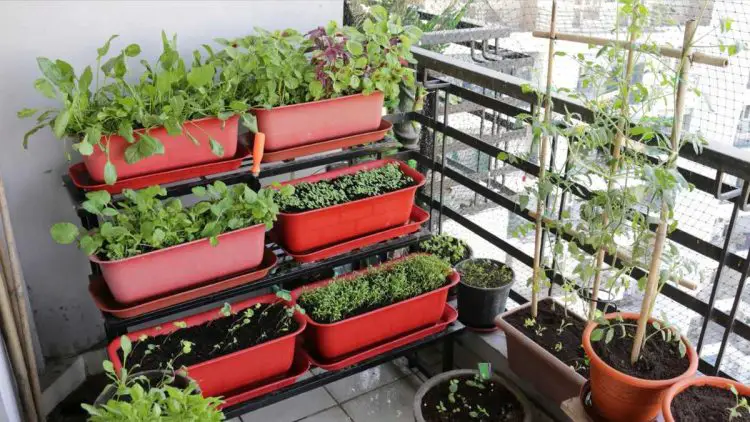
Consider the available space on your balcony and whether you’ll be placing furniture. Utilize planters that extend beyond the balcony if space is limited. Vertical planters and trellises are great space-saving options.
- Small balconies: Choose compact plants and utilize vertical space efficiently.
- Large balconies: Use large flower pots or raised beds for tall-growing plants like trees or vegetables.
Step 4: Consider Time Commitment
Evaluate the time you’re willing to invest in balcony gardening. Low-maintenance options include decorative flowering plants and easy-to-grow herbs. For a more involved gardening experience, consider growing vegetables and fruits.
Step 5: Ensure Plant Compatibility
Research which plants are compatible and avoid planting species that may compete for nutrients. Some plants may inhibit the growth of others if planted too closely together.
Step 6: Monitor Plant Growth
Allow sufficient space for plants to grow and thrive. Regularly remove wilted or dried-out parts to promote healthy growth. Consider the growth habits of plants, especially climbers and tall-growing varieties.
Additional Tips:
- Limit the color palette to two or three colors for a cohesive look.
- Use fresh soil to provide essential nutrients for plant growth.
- Choose peat-free soil to support environmental sustainability.
- Invest in quality plants from reputable nurseries, and ensure they have healthy roots before planting.
- Water newly planted plants generously to promote root establishment.
By following these tips, you can create a beautiful and functional balcony garden that suits your preferences and lifestyle. Happy planting!