For novice gardeners, understanding the importance of proper crop rotation is essential for successful spring planting. In this guide, we’ll explore key considerations for selecting suitable predecessors and avoiding detrimental crops for beetroot cultivation. Prepare for spring planting with our expert recommendations for optimal beet rotation.
Ideal Predecessors for Beets:
Choose from a variety of crops that promote the health and yield of red beets. Excellent precursors include cabbage varieties, peas, beans, dill, and onions.
Crops to Avoid After Beets:
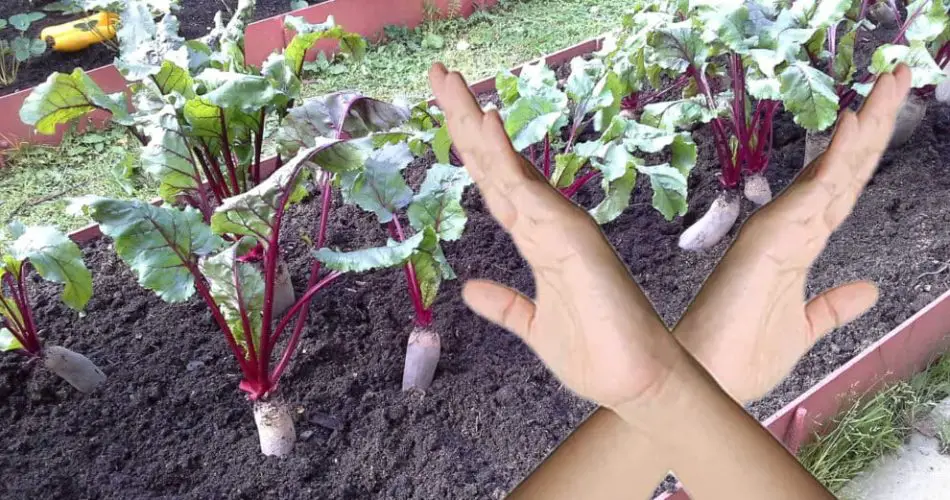
Steer clear of planting beets in areas previously occupied by spinach, parsley, corn, celery, potatoes, or turnips. These crops may deplete essential nutrients or attract pests detrimental to beet growth.
Beneficial “Neighbors” for Beets:
Consider planting peas, strawberries, red cabbage, potatoes, cucumbers, celery, dill, garlic, or spinach in beds previously cultivated with beets. These companion plants can enhance soil health and support beet growth.
Cautions on Planting:
Exercise caution when planting onions, other cabbage varieties, and tomatoes near beets. These crops may compete for resources or be susceptible to similar pests and diseases.
By following these guidelines, you can plan your spring garden with confidence. Remember the importance of crop rotation in achieving optimal results in beet cultivation and beyond. Here’s to a successful season and a plentiful harvest!