If you have a green thumb and a garden or vegetable patch, you’re likely familiar with the nightmare of weeds. Whether on garden paths, between slabs, or in your vegetable garden, weeds can be relentless. Despite manual weeding, these plants grow rapidly. Here’s some good news: you can fight weeds using natural ingredients, such as baking soda and white vinegar, which you probably already have at home!
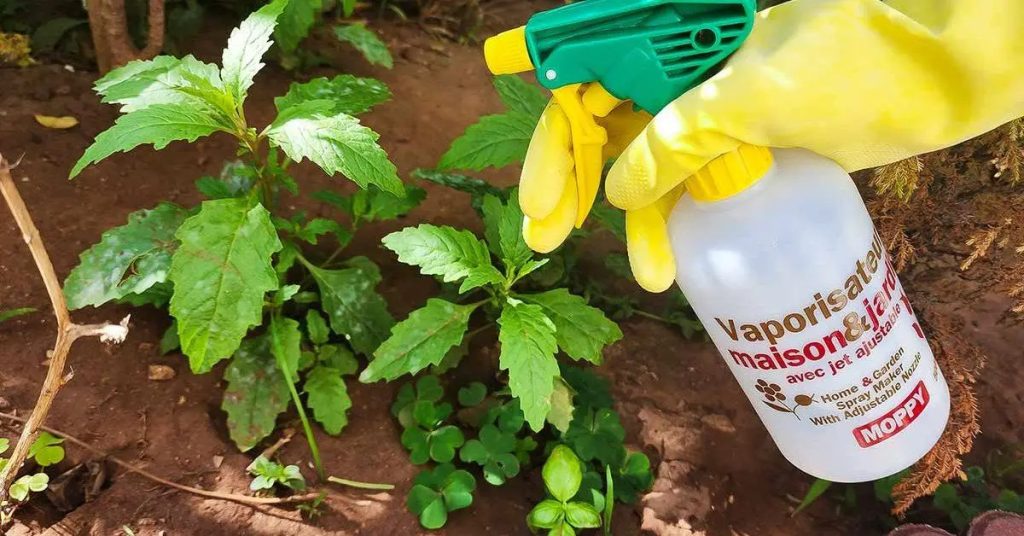
Why Use Ecological Methods for Weeding?
Weeds are unwanted plants that grow near your flowers, vegetables, and plants. While they may seem harmless, weeds harm your plants by taking up space and nutrients in the soil. They also detract from the beauty of your garden!
Instead of turning to harsh chemical weedkillers, which are toxic to both you and the environment, you can opt for natural prevention and control methods. Baking soda and vinegar are perfect solutions, as they pose no health risks and help keep the environment healthy.
How to Make a Natural Weedkiller with Baking Soda?
Baking soda, or sodium bicarbonate, is a powerful natural weed killer. It works by drying out unwanted plants and absorbing water from their cells. This causes them to wilt and die.
How to use it?
- Water the weeds to help the baking soda adhere to their leaves and the soil.
- Sprinkle about a teaspoon of baking soda on each targeted weed.
- Wait a few days to see if the weeds begin to wilt or brown. If not, repeat the process.
- For weeds on garden paths, sprinkle baking soda between the paving stones. This will kill the weeds and prevent future growth.
Note: This method works best away from your lawn and plantings. It is not recommended to plant anything in treated areas until it has rained, washing away the baking soda.
How to Make a Homemade Weedkiller with White Vinegar?
White vinegar contains acetic acid, which burns the foliage of weeds, causing them to weaken and die. This method is particularly effective on young, broad-leaved weeds, but it may take multiple applications for larger, deeper-rooted plants.
How to use it?
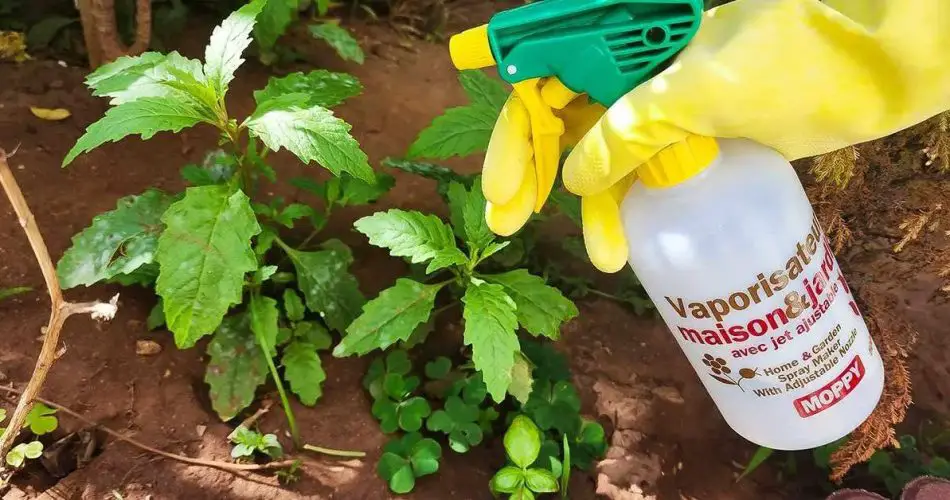
- Pour 2 cups of white vinegar into a spray bottle.
- Add 2 tablespoons of dishwashing liquid to help the vinegar adhere to the leaves and break down their protective layer.
- Spray the solution directly on the weeds, avoiding your precious plants.
- Wait a week before planting anything in areas sprayed with vinegar, as it breaks down quickly in the soil.
Grandma’s Recipe to Kill Weeds
Mixing white vinegar and baking soda creates a doubly effective solution for killing weeds! This combination burns the leaves and dehydrates the plants at their roots.
How to use it?
- Use 1 part baking soda to 2 parts vinegar.
- Pour the baking soda into your sprayer first, then add the vinegar.
- A chemical reaction will occur!
- Add a tablespoon of dishwashing liquid.
- Close the sprayer and shake well.
- Spray the weeds thoroughly with this solution.
Alternatively, sprinkle baking soda on the weeds first, then spray with vinegar for a direct chemical reaction. Let it sit and repeat if necessary.
What Are Some Useful Practices to Complement Your Natural Weedkiller?
In addition to using your natural baking soda and vinegar weedkiller, here are some simple practices to keep weeds at bay:
- Pull surface weeds by hand.
- Use baking soda and vinegar for deep-rooted weeds.
- Mow your lawn regularly to a height of 3 inches to keep weeds from spreading and cut them before they go to seed.
As the sunny weather arrives, you’ll spend more time in your garden. It’s essential to keep it free of pesky weeds for a flourishing space. We hope this article provides all the information you need to keep your garden beautiful and weed-free!
FAQ
What other natural weed killer can kill weed roots?
Boiling water is an excellent option to kill weeds and their roots! Simply boil water and pour it directly onto the leaves of weeds for immediate results.
How to use a propane torch to kill weeds?
A propane torch can be used to burn weeds, but use caution, as it can also harm surrounding plants. This method is ideal for cracks in sidewalks or areas without planting.
What concentration of vinegar should I use to get rid of weeds?
A 5-10% concentration of vinegar is effective for young weeds, while older plants may require stronger concentrations. Household vinegar typically has a 5% concentration.
What are other natural weed killers?
Essential oils like clove, red thyme, savory, and cinnamon are phytotoxic, meaning they can damage the cells of weeds when exposed to light.
How to weed a garden?
There are 4 common methods for weeding:
- Pulling weeds by hand from the root.
- Covering weeds with mulch or black plastic to block light.
- Using a weedkiller.
- Hoeing weeds to loosen the surface of the soil.