When bringing plants into your home, every detail matters; even a small mistake can lead to their demise. One major threat is mold in the soil, which can be particularly dangerous for your plants.
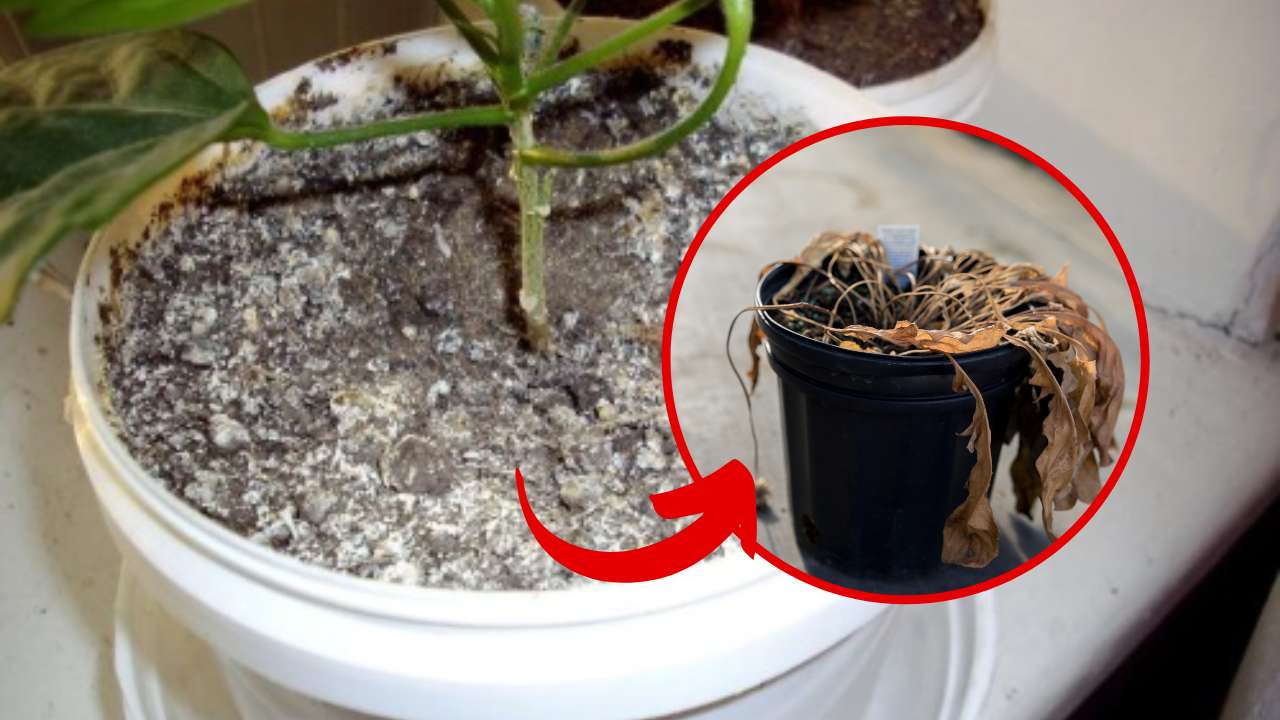
The Dangers of Mold in Plants
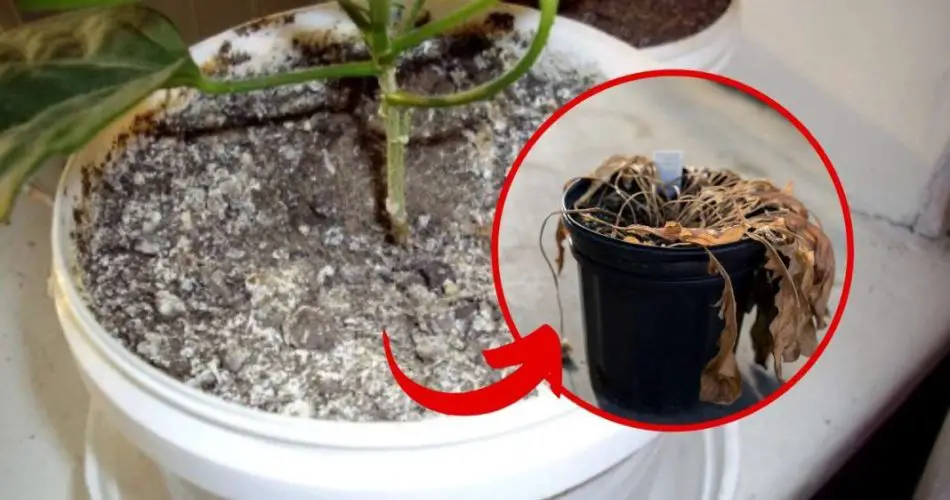
Mold is a common issue that can strike suddenly. If you neglect your plants or fail to monitor them closely, it may be difficult to notice the problem until it’s too late. Symptoms of mold can include:
- Dryness: Your plant may suddenly appear dry.
- Dull Color: Leaves and flowers can lose their vibrant colors.
Once mold affects one plant, it can quickly spread to others, especially delicate varieties.
How Mold Forms in Your Home and Soil
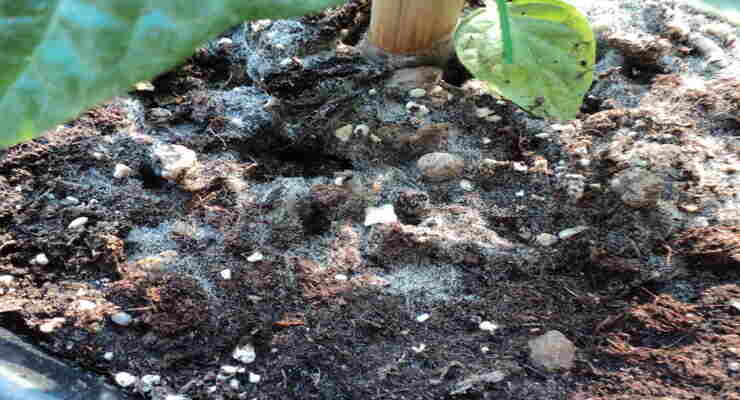
To prevent mold, it’s crucial to be mindful of various small factors that may seem trivial. For instance, always ventilate your home after activities like showering. Hot, humid air can lead to mold growth on walls and ceilings, creating an unpleasant living environment.
Ignoring mold can make your home uninhabitable, with dark stains and unpleasant odors. Similar conditions can occur with your plants if mold is left untreated.
Recognizing Mold on Your Plants
Mold can take root in multiple areas, including:
- Soil: Initially bright brown, it may turn dull and lifeless.
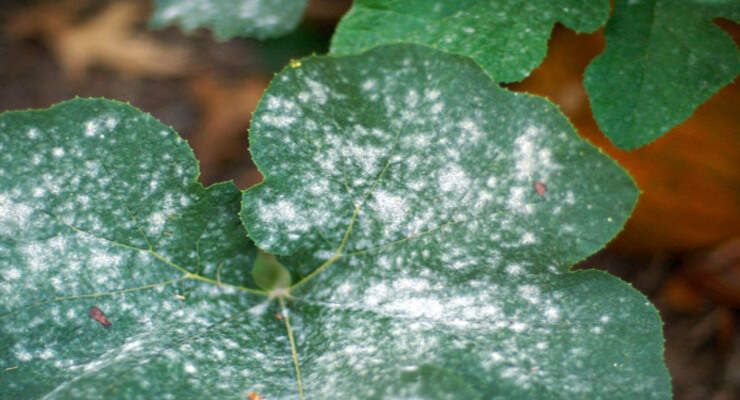
- Leaves and Flowers: Colors will fade, giving your plant a sickly appearance.
You may also notice a foul smell emanating from the affected areas. Mold often results from overwatering or using poor-quality soil.
How to Eliminate Mold and Solve the Problem
To address mold, you don’t necessarily need to repot your plant. Start by:
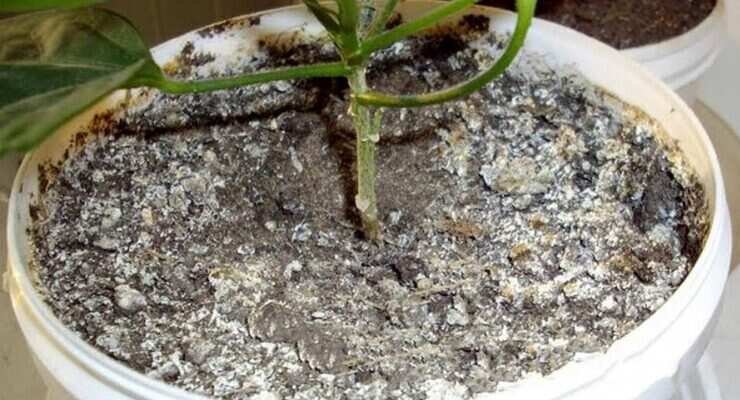
- Removing the Surface Layer: Carefully take off the moldy top layer of soil using gloves, a spoon, or a shovel.
- Dispose of Moldy Soil: Discard the infested soil responsibly.
- Add Fresh Soil: If there’s not much soil left, add new, clean soil to the pot.
If the plant is severely compromised, it may be best to completely repot it in a new pot, but ensure you wash the old pot thoroughly before reuse.
Preventing Future Mold Issues
To avoid recurring mold problems, pay attention to:
- Watering: Avoid overwatering your plants.
- Soil Quality: Use high-quality soil to minimize mold risk.
- Air Exchange: Ensure proper ventilation in your home.
Additionally, store any new bags of soil in a cool, dry place, away from heat and humidity to prevent mold growth.
By following these steps, you can keep your plants healthy and thriving, free from the dangers of mold!