As spring approaches, pruning plants, flowers, trees, and bushes becomes essential for their growth and flowering. While April is often the most suitable time for pruning, some species require attention in March. Here are five plants that should be pruned at the beginning of spring to ensure their beautiful appearance and healthy growth:
1. Wisteria
Timing:
- Prune in February and March. If you miss this period, the next opportunity will be in July and August.
How to Prune:
- Focus on young shoots, leaving two buds on each. This encourages better flowering and prevents the plant from becoming too unruly.
2. Roses
Timing:
- March is the best time to prune roses, right after the frosts recede and the weather warms up.
How to Prune:
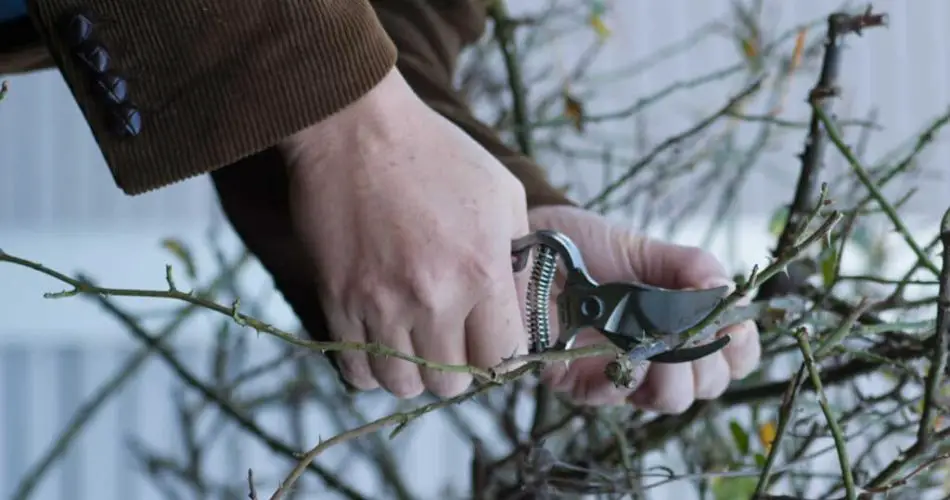
- Don’t be afraid to cut more than you think is necessary. This will stimulate further shoot growth and lead to a healthier, more robust plant.
3. Hydrangea
Timing:
- Prune in March to ensure abundant flowers throughout the summer.
How to Prune:
- Cut all the stems of the hydrangea. This encourages new growth and a fuller bloom.
4. Clematis
Timing:
- Prune in March to remove last year’s growth.
How to Prune:
- Cut the plant 25-30 centimeters above ground level. This stimulates intensive growth and abundant flowering.
5. Fruit Trees (Pear and Apple Trees)
Timing:
- Prune while the trees are still dormant, which is usually in March.
How to Prune:
- Ensure the crown of the tree is cup-shaped, allowing uniform illumination of all parts. Pruning should promote healthy growth and prepare the trees for the growing season.
Why Pruning in March is Important
Pruning plants in March helps prepare them for active growth and flowering in the coming months. By removing old and weak growth, you encourage the plant to focus its energy on producing new, healthy shoots and flowers. Here’s why each of these plants benefits from March pruning:
- Wisteria: Keeps the plant manageable and promotes prolific blooms.
- Roses: Encourages new growth and helps shape the plant.
- Hydrangea: Ensures a continuous display of flowers through the summer.
- Clematis: Stimulates new growth for more flowers.
- Fruit Trees: Improves air circulation and sunlight penetration, leading to better fruit production.
Tips for Successful Pruning
- Use Sharp Tools: Ensure your pruning shears or saws are sharp and clean to make precise cuts and avoid damaging the plant.
- Cut at an Angle: Make cuts at a 45-degree angle to prevent water from sitting on the cut surface, which can lead to rot.
- Remove Dead and Diseased Wood: Always start by removing any dead or diseased branches to prevent the spread of disease.
- Know Your Plant: Understand the specific needs and growth habits of each plant to prune effectively.
By following these guidelines and pruning your plants in March, you’ll set them up for a season of healthy growth and beautiful flowering.