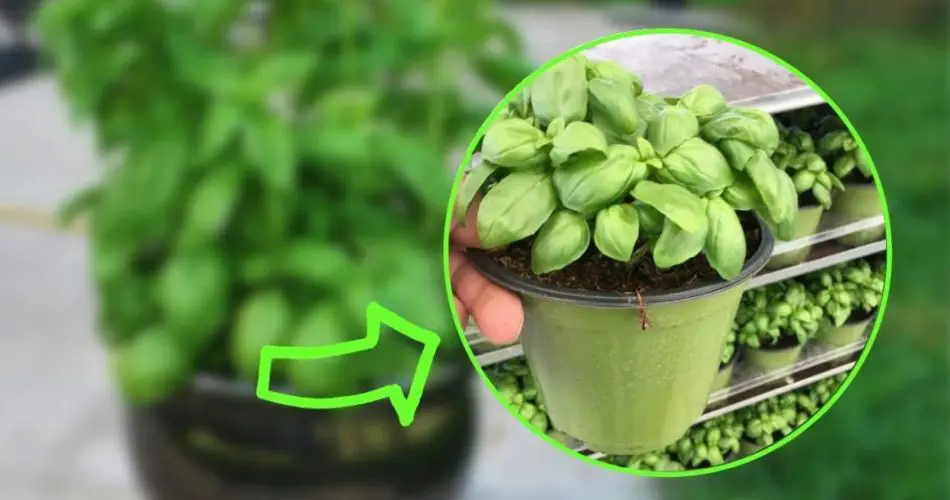
Basil is one of those plants that’s a must-have in every home. Not only does it smell wonderful, but having it on your windowsill, especially with the window open, makes the air even more refreshing.
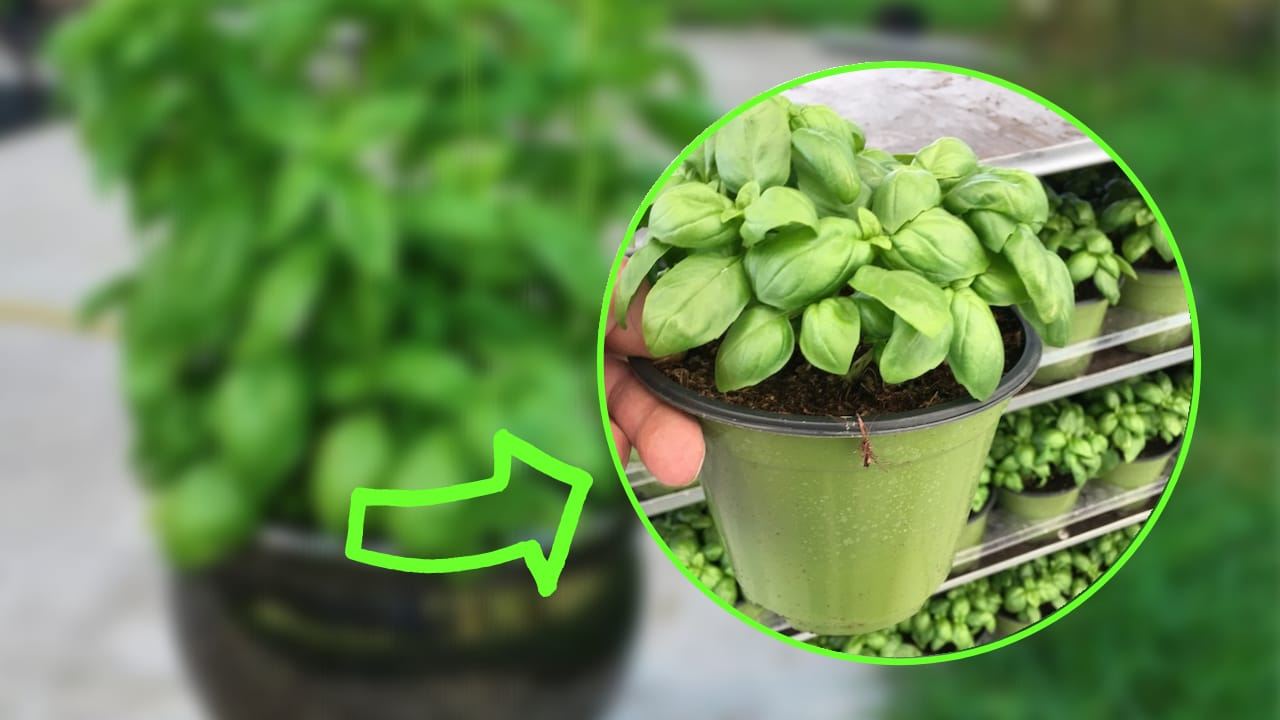
Basil is incredibly versatile, often used in countless dishes, from the classic pasta with tomato sauce to more elaborate culinary creations. While you can buy dried basil leaves at the supermarket, there’s a significant difference in taste and fragrance between the store-bought version and fresh basil from your own plant.
For plant enthusiasts with a green thumb, a thriving basil plant at home is a beautiful thing. But for those who lack the expertise or confidence to keep it healthy, it can sometimes be a challenge. If you want your basil to remain fresh and fragrant, there are a few key tips you should follow to keep your plant lush and full of leaves.
Watering Tips for Healthy Basil

Watering may seem like a simple task, but there are some key details to consider. The most important thing to remember is not to overwater. While it might seem like more water would help, excessive watering can actually harm the plant and make its roots suffer.
To keep your basil plant healthy, ensure that the soil stays moist but not saturated. The more you weigh the soil down with water, the more the plant will struggle.
During the spring and summer months, it’s best to water early in the morning, when the temperatures are still cool. This ensures the plant absorbs the water properly before the sun rises and starts to evaporate it. Watering late in the day, especially when temperatures are high, will make it harder for the plant to absorb water, as much of it will evaporate.
If you notice that your plant is struggling, it’s a good idea to ask for advice from professionals or a local nursery, rather than relying on DIY methods if you’re not sure what to do.
Feeding Your Basil: How and With What
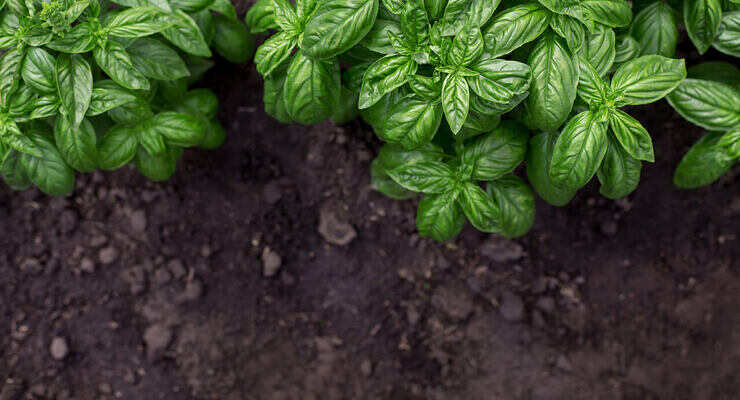
Feeding your basil every now and then is essential for its growth. A simple and cost-effective way to do this is by using coffee grounds, which are often discarded but actually make an excellent fertilizer. Coffee grounds are rich in nitrogen, which stimulates plant growth. Simply crumble three used coffee grounds and scatter them over the soil.
If you don’t have coffee grounds, you can use wood ash as an alternative. Just sprinkle it over the soil in the same manner.
Leaf Care: Keeping Basil Fresh and Fragrant
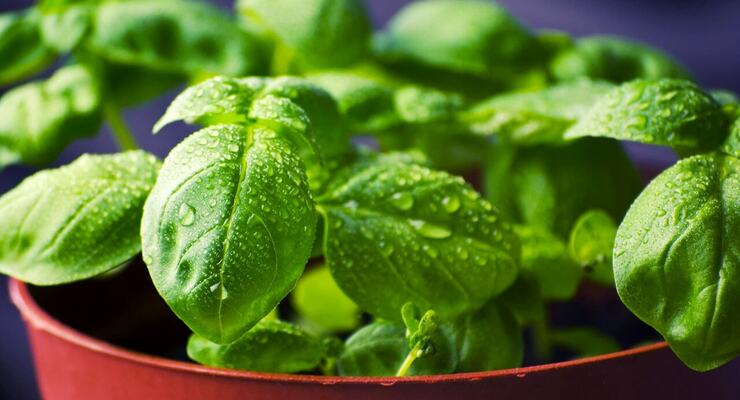
Basil leaves can lose their fragrance over time, but you can easily revive them by spraying them with fresh water. A light misting helps the leaves stay fresh and aromatic. Be careful not to overdo it, though—spraying once or twice a week is enough.
Here’s a bonus tip: add a few drops of neem oil to the water you use for spraying. Neem oil is a natural way to keep pests and insects away, ensuring your plant stays healthy and doesn’t dry out.
Where to Place Your Basil for Optimal Growth
The placement of your basil plant is crucial. Basil should never be exposed to direct sunlight all day long, as this can scorch the leaves and cause the plant to dry out. Direct sunlight can eventually kill the plant if it’s not properly shielded. That said, basil doesn’t thrive in dark, shaded areas either. It’s best placed on a balcony or windowsill, where it can get indirect light. A spot with partial sunlight is ideal.
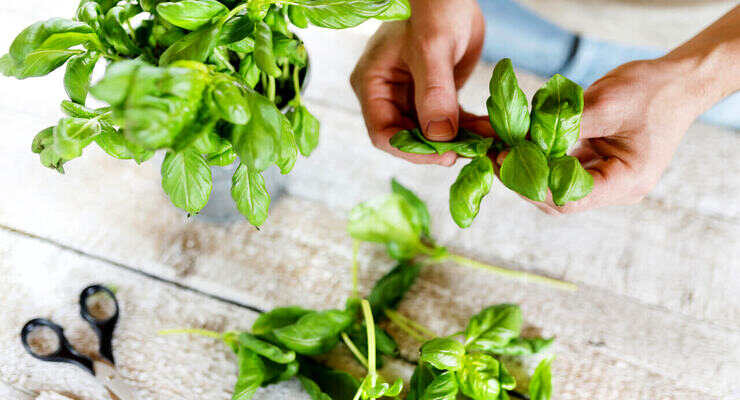
When your basil is growing well, you’ll notice small flowers starting to appear. These flowers are a sign that your plant is thriving, but they can also drain energy from the leaves. If you see too many flowers, it’s a good idea to prune them back, either with shears or delicately by hand. This will help the plant focus its energy on producing more leaves.
Conclusion: Growing Basil the Right Way
By following these simple tips, you can ensure your basil remains lush and fragrant, offering you fresh leaves for cooking without the risk of rot or decline. Keep the plant well-watered, fed with coffee grounds or wood ash, and make sure it’s in the right position with just the right amount of light. With a little care and attention, your basil plant will thrive, giving you abundant leaves and even charming little flowers—while avoiding the common mistakes that could cause it to wither.