Ever wondered where those charming little lizards come from? Their entry into our homes is often shrouded in mystery. Let’s uncover their secret hiding spots and learn how to guide them back outside.
The Secret Lives of Lizards
Lizards are intriguing creatures that can be found in a range of environments, including forests, rural areas, and even our homes. Their ability to hide and infiltrate our living spaces often leaves us curious about where they come from. This article will delve into their preferred hiding spots and how they make their way indoors.
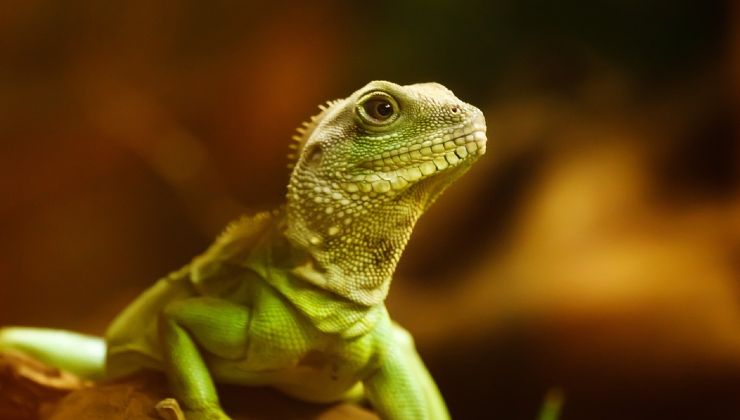
Lizards are primarily diurnal, meaning they are active during the day and enjoy basking in the sun. Their agility and slender bodies allow them to climb vertical surfaces such as walls and tree trunks with ease. This climbing prowess, combined with their flexible bodies, enables them to access places that are otherwise hard to reach.
Favorite Hiding Places
One of the most common places lizards hide is in the cracks and crevices of our home’s foundation. Their ability to slip through tiny openings is facilitated by their flexible body structure. You might find them in basements or garages, especially if there are gaps in the walls or doors.
Inside the house, lizards can be found hiding behind furniture, within curtains or awnings, and even inside unused boxes and bags. Their ability to camouflage with their surroundings makes them difficult to spot.
The presence of lizards in your home might also be influenced by the availability of food. Lizards primarily eat insects like flies, mosquitoes, and moths. A garden rich in plants and flowers can attract these insects, which in turn attracts lizards.
How to Help Lizards Find Their Way Out
If you’re looking to keep lizards out of your home, there are several steps you can take:
- Seal Entry Points: Carefully seal any cracks or openings in walls, floors, and doors. Using materials such as silicone or putty can effectively prevent lizards from gaining entry.
- Maintain Cleanliness: Keeping your home clean and free of waste can reduce the presence of insects, which in turn decreases the attraction for lizards.
- Safe Removal: If lizards do manage to get inside, remember that they are harmless and beneficial creatures. Use a strainer or a tray to gently capture the lizard and release it outside, where it can continue to contribute to the ecosystem without disrupting your home.
By understanding where lizards hide and how they enter our homes, we can take proactive steps to prevent their intrusion while respecting their role in nature.