If you’re looking for a natural, chemical-free way to care for your indoor plants, white vinegar diluted with water can be an excellent solution. This versatile product, commonly found in your kitchen, offers a variety of benefits for your houseplants. From promoting healthy growth to extending their lifespan, white vinegar is an affordable and effective way to help your plants thrive in a safe environment.
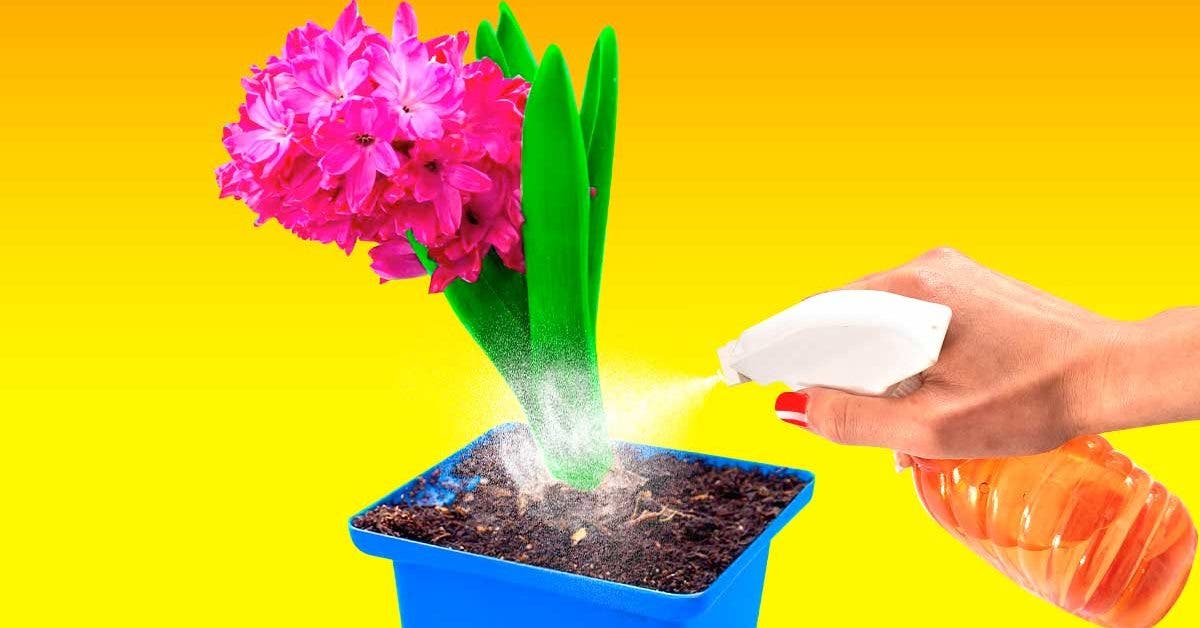
Let’s explore how to use white vinegar and water to ensure your indoor plants bloom beautifully and maintain their health.
Why Use White Vinegar and Water for Your Indoor Plants?
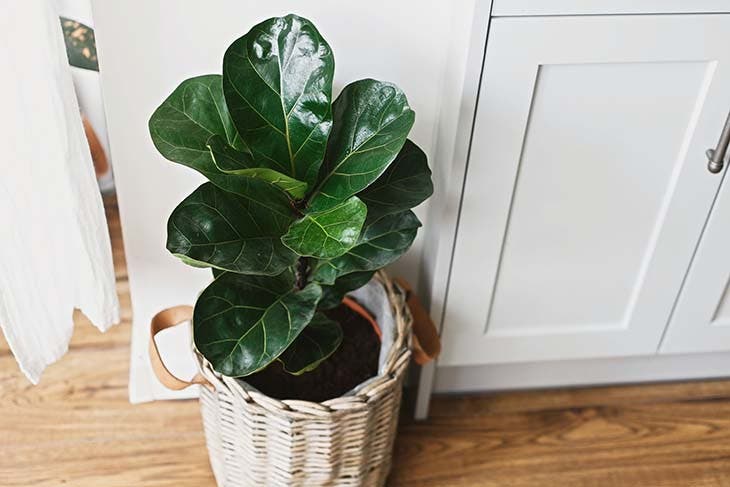
White vinegar is a fantastic natural product for maintaining the health of your indoor plants. Here’s why:
- Natural Insecticide: White vinegar acts as an effective natural insecticide, helping to keep pests away from your plants.
- Dust Removal: It can be used to clean dust off the leaves of your plants, ensuring they receive proper sunlight for optimal photosynthesis.
- Strengthens Perennials: Regular use of diluted white vinegar helps to strengthen your plants, especially perennials, and can even promote flowering.
- Improves Soil Quality: It helps to improve the quality of the substrate, creating a healthier environment for your plants to thrive.
How to Maintain Your Indoor Plants with White Vinegar and Water

To use white vinegar effectively on your plants, it’s crucial to dilute it with water due to its high acidity. Here’s how you can use this mixture:
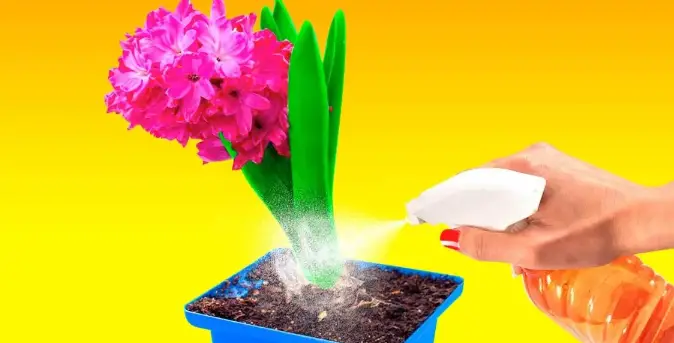
- Create a Vinegar Mixture: Mix white vinegar with water in a spray bottle. The ratio can vary, but a 1:10 mixture (1 part vinegar to 10 parts water) is a safe starting point.
- Clean Dusty Leaves: Use the vinegar-water solution to spray the leaves of your indoor plants. This will help restore their shine and remove dust that may hinder their growth.
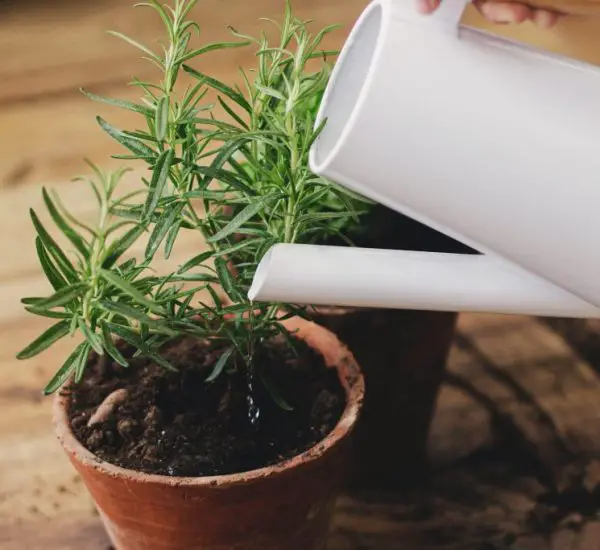
- Water Your Plants: The mixture can also be used to water plants that prefer acidic soil, as it helps reduce the limestone content in the soil. This is especially beneficial for plants like azaleas and hydrangeas that don’t tolerate hard water.
- Repel Pests: White vinegar is an excellent natural repellent. It can help keep ants, spiders, snails, and slugs away from your plants. Just spray the solution around the base of the plants or where pests are a problem.
How to Use White Vinegar in Your Garden

White vinegar isn’t just for indoor plants; it can also be incredibly helpful in your garden:
- Natural Weed Killer: White vinegar can act as a natural herbicide. When sprayed directly on weeds, the acidity will burn them and prevent them from growing. However, avoid spraying it directly on your plants, as they may not tolerate the acidity.
- Preventing Pests: Similar to its use indoors, you can use a vinegar-water mixture to repel insects in your garden. Spray it around places like anthills or pest-prone areas.
- Optimal Flowering: Using the vinegar-water mix to water flowering plants can encourage healthy blooms. Just be sure not to overuse it, as excess vinegar can be harmful to your plants.
Repelling Pets from Your Plants
If you have pets that love to nibble on your plants, a vinegar spray around the plants can help keep them away. The strong smell of vinegar acts as a deterrent, preventing pets from damaging your plants.
Caring for Perennials and Succulents
Many people overlook perennials and succulents when caring for their indoor plants, but these plants need care too! White vinegar can be used to help these often-neglected plants thrive. It will help acidify the soil and keep pests at bay, promoting healthy growth and flowering.
Conclusion
White vinegar and water is a simple yet highly effective solution for maintaining your indoor plants in a natural, chemical-free way. From cleaning leaves to repelling pests and improving soil health, the benefits are vast. Just be sure to use it in moderation to avoid any adverse effects on your plants. With this affordable solution, your indoor plants will flourish, and your garden will thrive without harmful chemicals.