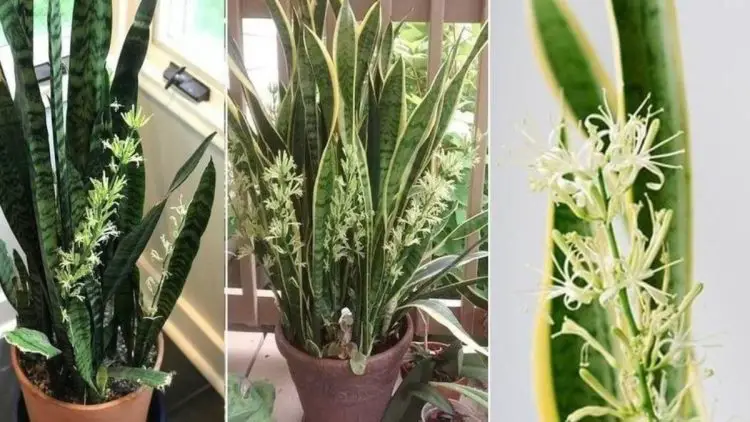
Taking care of Sansevieria, also known as Snake Plant or Mother-in-Law’s Tongue, is relatively easy and rewarding. These resilient plants not only add a touch of green to your living space but also purify the air. Here’s a comprehensive guide on how to maintain and water Sansevieria:
Features and Species:
Sansevieria belongs to the Asparagaceae family and is characterized by its fleshy, green leaves. There are numerous species and varieties of Sansevieria, each with its unique characteristics. Some popular species include Sansevieria trifasciata, Sansevieria cylindrica, Sansevieria hahnii, and Sansevieria moonshine.
Cultivation and Maintenance:
- Sansevieria thrives in well-draining soil. Use a mix of universal potting soil and a layer of clay or clay pieces at the bottom of the pot to facilitate drainage.
- Repot Sansevieria when its roots outgrow the pot, usually in spring. Replace the soil if necessary, but repotting every year is not required.
- Place Sansevieria in a well-lit area with moderate temperatures, ideally between 18°C and 27°C. Protect it from direct sunlight, especially during hot hours.
- Water Sansevieria sparingly, allowing the soil to dry out between waterings. Overwatering can lead to root rot. Reduce watering frequency during winter months.
- Avoid spraying water on the leaves, as Sansevieria does not appreciate wet foliage.
- Sansevieria does not require pruning, but remove any dry or diseased leaves promptly to prevent the spread of infection.
Reproduction and Propagation:
- Sansevieria can be propagated through division or leaf cuttings.
- To propagate via leaf cuttings, cut a leaf into sections and let them air dry for a few days. Plant the cuttings in fertile soil and maintain soil moisture until roots develop.
Diseases and Pests:
- Sansevieria is resistant to most pests and diseases. However, watch out for mealybugs or scale insects, which can be removed manually or treated with alcohol-soaked cotton pads.
- Brown spots on the leaves indicate overwatering. Remove affected parts and let the plant dry before repotting.
Conclusion: With minimal care and attention, Sansevieria can thrive indoors, adding beauty and freshness to your home. By following these maintenance and watering guidelines, you can enjoy healthy and vibrant Sansevieria plants for years to come.


