Preserving Basil in Salt: A Simple and Natural Method
Basil, renowned for its aromatic and flavorful leaves, is a staple in many kitchens. To prolong its freshness and vibrant taste, preserving basil in salt offers a straightforward and natural solution. This ancient preservation technique not only retains basil’s properties but also provides a convenient alternative to fresh basil year-round. Discover the steps to prepare salted basil, its uses in cooking, and the benefits and considerations of this preservation method.
Why Preserve Basil in Salt? Preserving basil in salt is a time-honored practice cherished for its simplicity and efficacy. This method offers several advantages:
- Maintains the aroma and flavor of fresh basil for extended periods.
- Economical and practical, ensuring a steady supply of basil regardless of the season.
- Natural preservation without the need for chemical additives, promoting sustainability and health-conscious cooking.
How to Prepare Salted Basil:
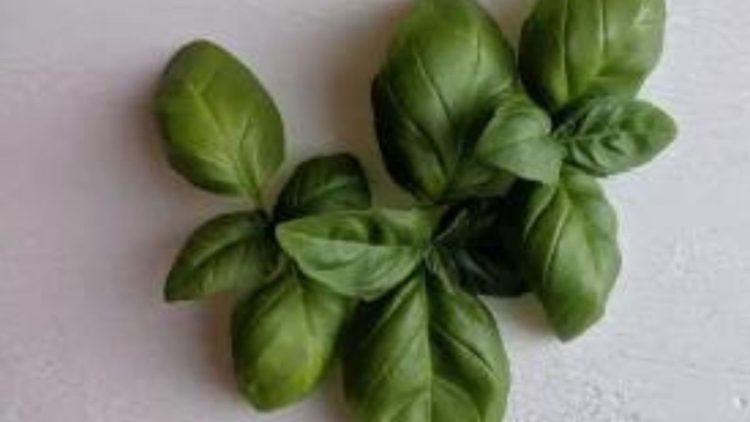
- Selecting Basil: Choose fresh, aromatic basil leaves, preferably harvested in the morning for optimal flavor.
- Drying Basil: Wash and dry basil leaves thoroughly before air-drying them on a tray in a cool, dry place away from direct sunlight. Ensure complete drying to prevent mold or bacterial growth.
- Layering with Salt: In a clean, dry glass jar with a tight-fitting lid, alternate layers of coarse salt and dried basil leaves until the jar is full. Seal the jar tightly and store it in a cool, dry place.
Storage and Usage:
- Store the jar of salted basil in a cool, dry location, away from sunlight, to preserve its aroma and flavor.
- Periodically check for mold or bacterial growth, removing any affected leaves promptly.
- To use salted basil, rinse the leaves under running water to remove excess salt before incorporating them into your favorite dishes.
- Salted basil adds a Mediterranean touch to salads, meats, pastas, and more, infusing them with its intense and lasting flavor.
Tips for Long-Term Storage:
- Use high-quality salt without chemical additives for optimal preservation.
- Consider refrigerating the jar of salted basil for enhanced freshness and longevity.
- Regularly inspect the jar for signs of spoilage and maintain proper hygiene when handling the product.
- Complement salted basil with fresh basil for a balanced flavor profile, especially for garnishing dishes.
Advantages and Considerations:
- Advantages: Enables year-round access to fresh basil, intense flavor ideal for seasoning various dishes, and natural preservation without additives.
- Considerations: Basil may lose some freshness and fragrance during drying, and the salt content may be unsuitable for individuals with dietary restrictions.
Preserving basil in salt offers a simple yet effective method to enjoy the essence of fresh basil throughout the year. With proper preparation and storage, salted basil becomes a versatile ingredient, enhancing the culinary experience with its distinctive flavor and aroma.