Orchids are one of the most beautiful, fragrant, and fascinating plants to have in our homes. Among the many species, the phalaenopsis orchid, also known as the “butterfly orchid”, is the most popular. Its colorful flowers, unique shape, and delicate scent make it a favorite. However, despite all the care we give them, sometimes orchids begin to deteriorate—dropping leaves, fading flowers, and damaged roots.
If you’re panicking at the sight of your orchid losing its petals or showing signs of distress, don’t worry! With proper care and a bit of attention, your orchid can bounce back. The key to saving your orchid might be simpler than you think: the sponge trick. Let’s walk you through how this method can help rejuvenate your orchid.
Understanding the Problem: Dry or Rotten Roots?
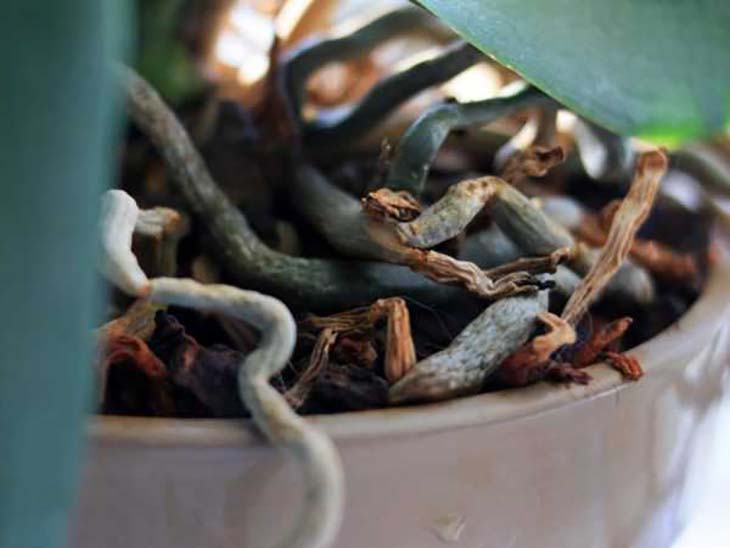
The first step in saving your orchid is to assess the state of its roots. If the roots appear dry or rotten, that’s where the issue lies. Incorrect watering—either too much or too little—can cause root rot, and it’s important to act quickly to prevent further damage.
Don’t wait too long to address the issue, or it could be too late. Let’s see what you can do to revive your orchid.
The Sponge Trick to Save Your Orchid
If you find that your orchid’s roots are beyond saving, it’s time to take action:
- Prune the Roots: Gently remove the orchid from its pot. Using sterilized shears, carefully cut off any dry or rotten roots. Only remove the parts of the roots that appear dead—leave any healthy roots intact.
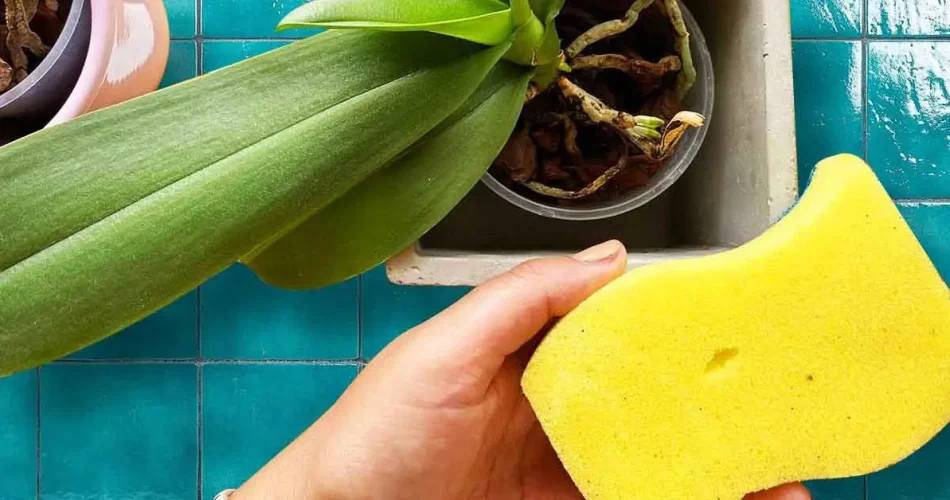
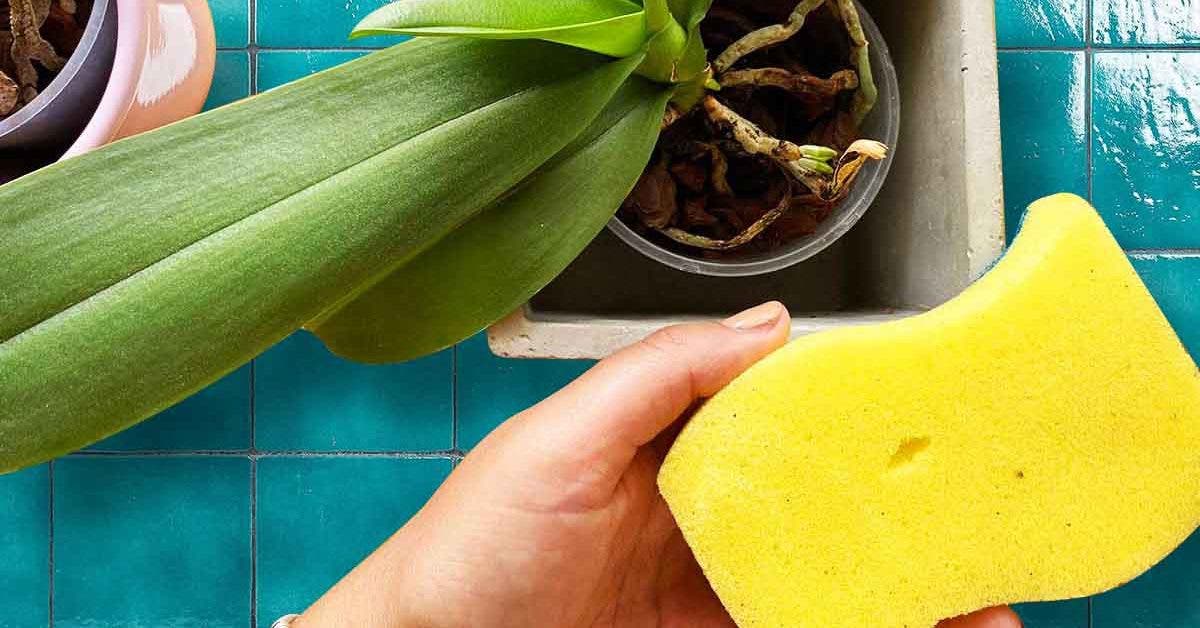
- Use the Sponge Trick: Now that you’ve removed the damaged roots, you need to help the plant develop new ones. This is where the sponge comes in! Take a dish sponge and tie it around the base of the orchid. Then, place the sponge in a shallow dish with just enough water to cover the bottom. The sponge will act as a nurturing environment, allowing the orchid to start growing new roots.
- Repot the Orchid: After 2 to 3 weeks, check the roots. If they’ve begun to develop, it’s time to repot the orchid in fresh soil and a new pot. Water the plant sparingly, keeping the soil moist but not soaking wet. Mist the leaves every 3 to 4 days to maintain the humidity needed for growth.
Important Precautions for Success
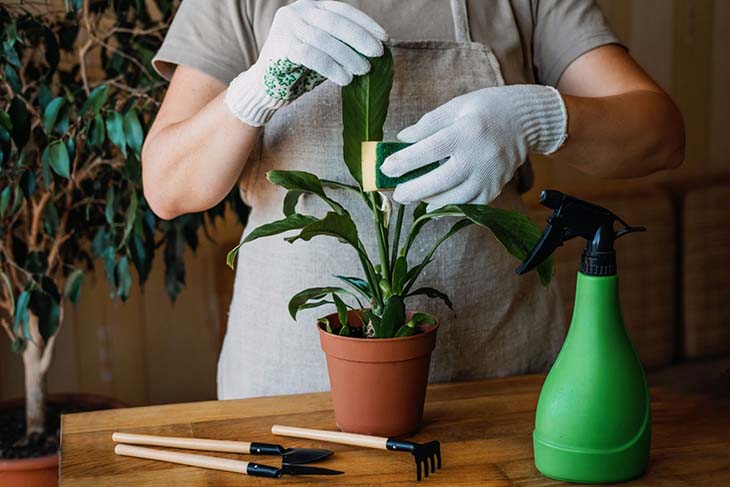
- Warm Months Are Best: The sponge trick works best in warmer months. If you try this during autumn or winter, the chances of success decrease.
- Bright, Indirect Light: After repotting, make sure your orchid is in a bright location but not exposed to direct sunlight, which can harm the plant.
Alternative Method: Rooting with Peat and Sand
If you’re looking for a more traditional approach, another method is to root the orchid using peat, sand, or sphagnum moss. Here’s what you can do:
- Remove any wilted flowers.
- Prune off any rotten or dry roots.
- Place the orchid in a pot with a mix of peat and sand (or sphagnum moss).
- Be patient—it may take 2 to 3 months for the orchid to produce new growth and bloom again.
Preventing Future Damage: Key Care Tips

The best way to keep your orchid thriving is to prevent root damage in the first place. Follow these care tips:
- Watering: Orchids need regular watering, especially during spring and summer. To prevent overwatering or underwatering, test the soil moisture and soak the orchid in water for about 15 to 20 minutes. Avoid letting the roots sit in water for too long.
- Transparent Pots: Using a clear or transparent pot allows you to monitor the condition of the roots and ensures they receive enough light, which makes them stronger and healthier.
- Humidity and Light: Orchids thrive in environments with 60% humidity and bright but indirect light. Locations like bathrooms or kitchens are often ideal.
- Fertilizer: Use specific fertilizers designed for orchids. A nitrogen fertilizer is best during leaf growth, while a potassium-rich compost is recommended during blooming.
Conclusion: Orchids Can Thrive Again!
By following these simple tips and using the sponge trick, you can save your orchid from root damage and help it grow new roots for a healthy future. With a little care, your orchid will continue to brighten your home with its beautiful flowers and delicate fragrance!