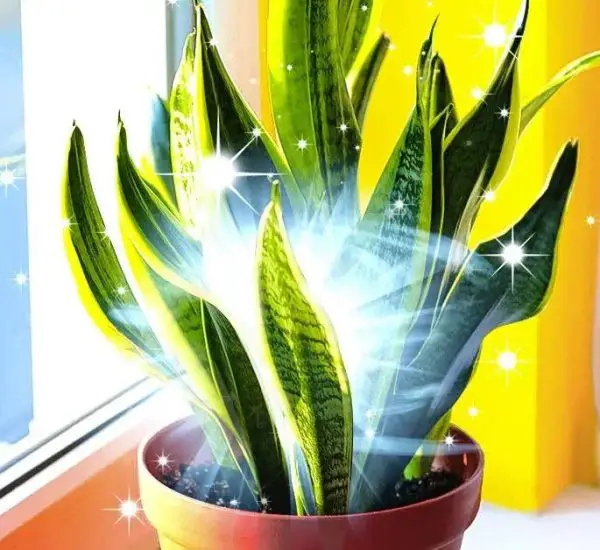
Mother-in-Law’s Tongue, also known as Sansevieria, is a popular perennial succulent known for its elegant, upright leaves and air-purifying properties. This hardy plant requires minimal care, making it perfect for both novice and experienced gardeners. One of the most exciting features of this plant is its ability to reproduce using just a single leaf. Whether you want to propagate your existing plant or simply create a new one, this step-by-step guide will show you how!
Why Sansevieria?
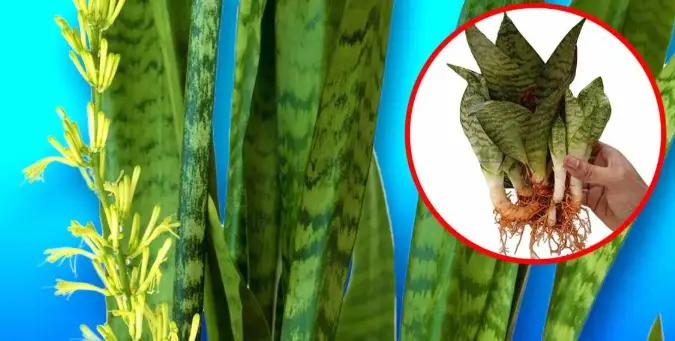
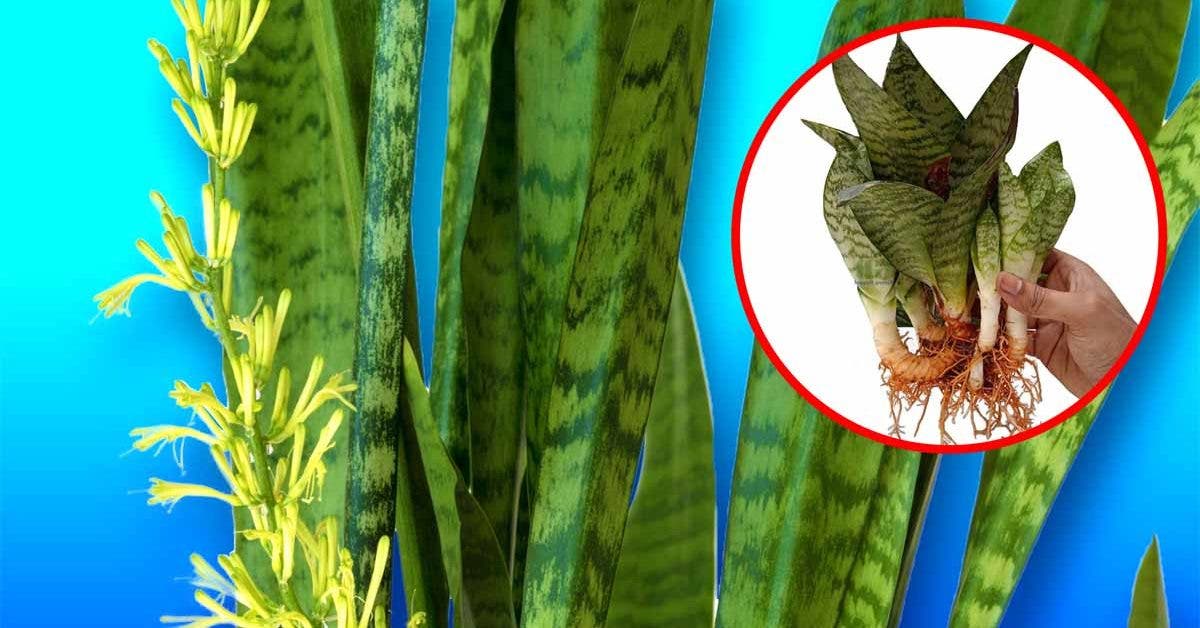
Sansevieria, often called “St. George’s Sword” or “Tiger’s Tongue”, is easily recognized by its large, rigid, and elongated leaves. These leaves typically grow over 30 centimeters tall, and in optimal conditions, some species can grow up to 120 centimeters! The leaves display a marbled pattern, oscillating between dark and light green. As an evergreen plant with no stem, Sansevieria is known for its ability to tolerate drought and its slow growth, producing just a few new leaves each year. This makes it ideal for reproduction through leaf cuttings.
How Many Types of Sansevieria Exist?
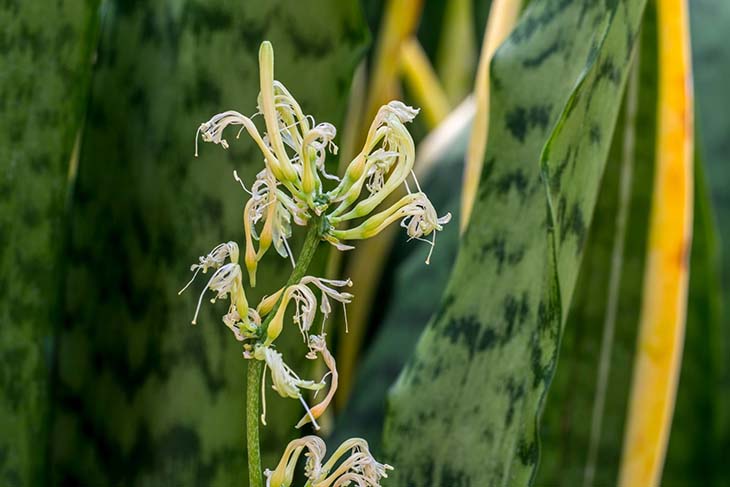
There are over 66 species of Sansevieria, primarily native to Africa, especially Kenya and Tanzania. The most popular types include:
- Cylindrical-leaved Sansevieria
- Sansevieria Laurentii
- Sansevieria Zeylanica
- Sansevieria Trifasciata
- Sansevieria Buccalaris
- Sansevieria Pinguicula
Step-by-Step Guide to Reproducing Sansevieria
Step 1: Cutting the Leaf
Using a disinfected pair of scissors, cut a large, healthy leaf from the base of your Sansevieria plant. Slice the leaf horizontally into smaller sections, each about 8 cm in length. Allow the cuttings to air dry for 2 to 3 days, ensuring the ends form a callus to prevent rot.
Step 2: Preparing the Cuttings
At the bottom of each cutting, make a small 1/4 inch (0.5 cm) cut in the center. This helps the cutting absorb water and nutrients. Sprinkle a little fertilizer on the cut ends to encourage healthy root development.
Step 3: Potting the Cuttings
Prepare a medium-sized pot with a mixture of compost and sand. Insert the cuttings into the soil, ensuring they are spaced about 1 cm apart. Lightly mist the substrate with water. To maintain warmth and humidity, cover the pot with transparent plastic wrap, creating a greenhouse effect. Open it periodically to allow air circulation and rehydrate the cuttings as needed. Place the pot in a bright room with temperatures above 20°C.
Step 4: Transplanting
In about one month, when new leaves begin to develop, your Sansevieria cuttings are ready to be transplanted into individual pots. They will grow into full-fledged plants with a little more time and care.
Precautions for Successful Transplanting
- Ideal Timing: Transplant your Mother-in-Law’s Tongue during its growing season, typically in spring or summer.
- Choose the Right Pot: Select a wide and slightly deep pot. Stone or ceramic containers work beautifully for this plant.
- Watering: Sansevieria does not require frequent watering. Wait until the soil is dry before watering again to avoid over-watering, which could drown the plant.
Alternative Reproduction Method: Using Water

For a quicker method, you can propagate your Sansevieria in water! Simply place a leaf cutting in a jar of water near a window with indirect light. In a few days, you’ll notice white roots beginning to grow. Once the roots reach about 4 cm, transplant the cutting into a pot with soil. This method is easy and effective, allowing you to propagate your plant quickly.
Conclusion
Whether you’re a beginner or an experienced gardener, Sansevieria is a fantastic plant to add to your collection. It’s not only beautiful and easy to care for, but it also purifies the air in your home. With just a single leaf, you can propagate your Mother-in-Law’s Tongue and enjoy new plants in no time! Just follow the steps outlined above, and soon you’ll have a thriving collection of these stunning, air-purifying plants.