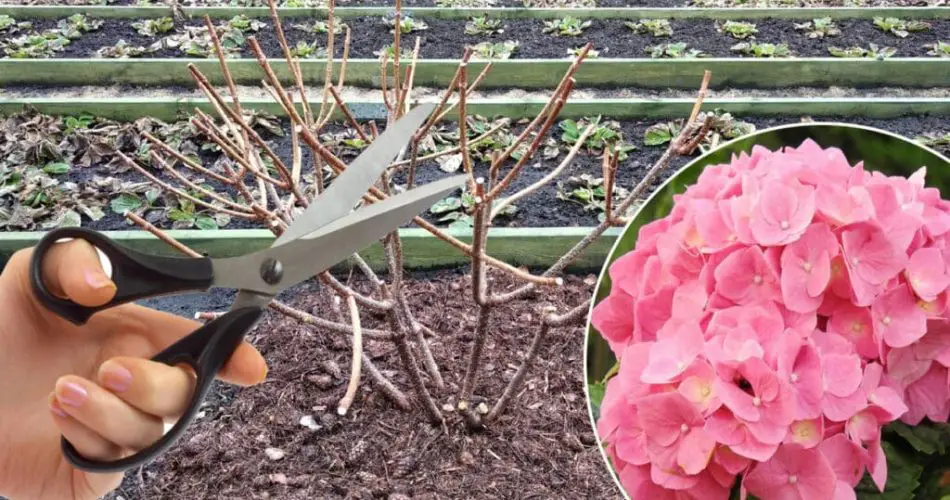
Pruning a tree-shaped hydrangea is an important procedure that can be done both in the fall and in the spring. However, when choosing an autumn pruning option, there is a risk of the shoots freezing, so spring pruning is the preferred recommendation.
It is necessary to begin by taking into account the fact that the tree-shaped hydrangea tends to release a lot of juice when pruned late. This can deplete the plant, so it is important to prune before the sap begins to flow. If the kidneys are already swollen, and the juice has started to move, it is better to postpone pruning until autumn.
It is also worth remembering that tree-shaped hydrangeas have heavy inflorescences. If the pruning is too high, the plant may bend to the ground due to the heavy weight of the inflorescences. This can be the result of a weak root system that will take several years to form a thick trunk. A thin trunk will not be able to withstand the weight of the inflorescences and may break.
The best solution in such circumstances is low pruning of two or three pairs of kidneys. It is important not to be afraid to prune the hydrangea heavily, as this stimulates the growth of new shoots and makes the plant even more lush and blooming. Cuts should be made 1 cm above the kidney at an angle.
So, by following the above tips, you will be able to properly prune a tree-like hydrangea in the spring, providing it with optimal conditions for lush and abundant flowering.