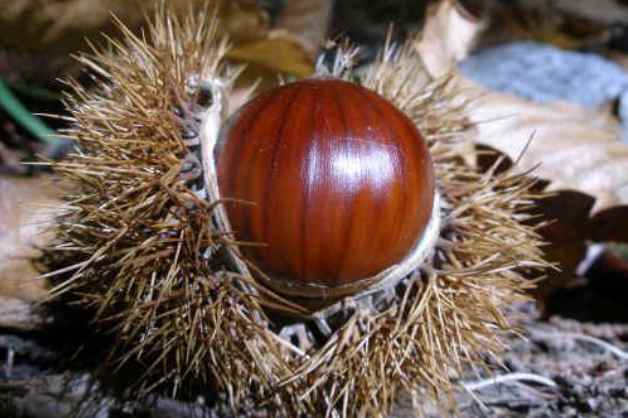
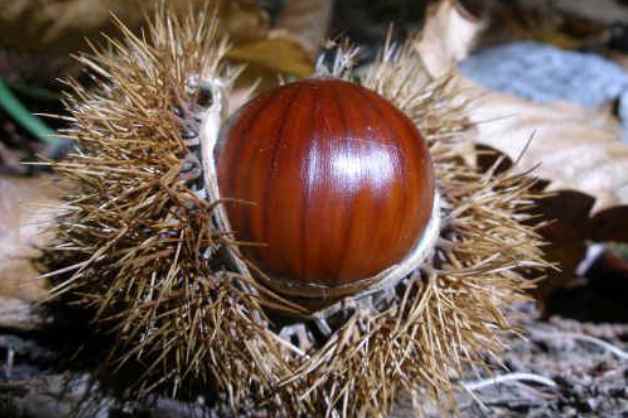
Autumn and winter are the ideal seasons for enjoying and preserving chestnuts. This unique fruit, rich in complex carbohydrates like cereals, is a great source of potassium, fiber, and vitamin B. Chestnuts have historically been a staple in the diets of the people in the Apennines during colder months. For those who wish to enjoy chestnuts outside of their peak season, there are various methods of preservation. But first, let’s distinguish between chestnuts and marrone chestnuts. Though often confused, chestnuts are wild and grow naturally on trees, while marrone chestnuts are cultivated and more uniform in size.
Immersion Method
A traditional way to preserve chestnuts is through immersion in water. This method involves soaking the chestnuts for about a week, starting a fermentation process that helps preserve them for longer periods.
Once soaked, the chestnuts should be drained and placed on a dry cloth to dry. Avoid overlapping them so that they can breathe and prevent the growth of mold. Turn the chestnuts occasionally to ensure all sides get air. This method allows chestnuts to be preserved for up to two months. Don’t worry if they darken slightly; this is normal.
Freezing Method
Freezing is another excellent method for preserving chestnuts, whether they are raw or cooked and shelled. Freezing chestnuts after cooking and shelling is the most efficient method, as they can be consumed right after thawing, either cold or reheated.
For the best results, chestnuts can be frozen in small batches. This makes it easier to thaw only the amount needed at a time, ensuring they stay fresh.
Drying Method
Drying is a universal preservation method that works well for chestnuts. The chestnuts are dried in dryers, rooms specifically designed for this purpose. The typical setup consists of two sections: the upper room, where chestnuts are laid out to dry, and the lower room, where a fire is lit to provide heat and smoke.
The drying process typically lasts about 15 days or even up to a month, aided by the combination of hot air and smoke. After drying, chestnuts are roasted in the oven and then treated with either cold or boiling water before the final drying step.
This method allows chestnuts to be stored for long periods, providing a great way to enjoy them year-round.
Storing Chestnuts in the Burrs
Instead of harvesting ripe chestnuts, some prefer to collect the burrs directly from the trees. These are then placed on the ground and covered with leaves and earth to maintain the right level of humidity for optimal preservation. This method keeps chestnuts fresh for several months.
By using one or more of these methods—immersion, freezing, or drying—you can preserve chestnuts for long periods and enjoy them well beyond the autumn and winter seasons.