Potato cultivation is both useful and rewarding, especially if you have the necessary space to grow them. While potato cultivation can be done almost year-round, the timing and technique are key to a successful harvest. Typically, potatoes are planted at the end of winter for a harvest in June, but it’s also possible to plant early, as early as November, or late, as late as May. Potatoes are adaptable to various soil types, though they prefer well-drained soil and cool climates. If you’re interested in learning how to plant potatoes the DIY way, read on!
Choosing Seed Potatoes
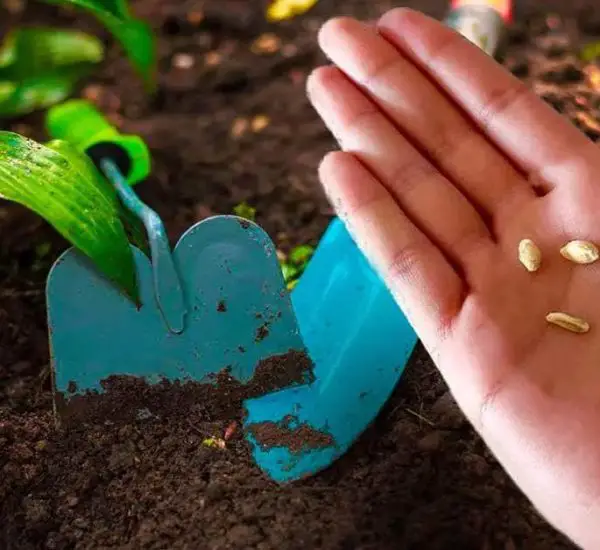
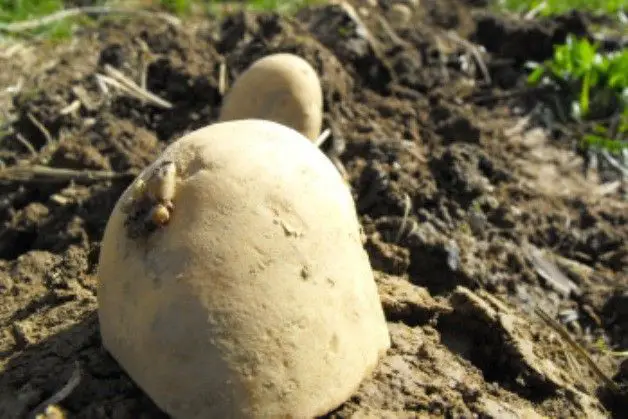
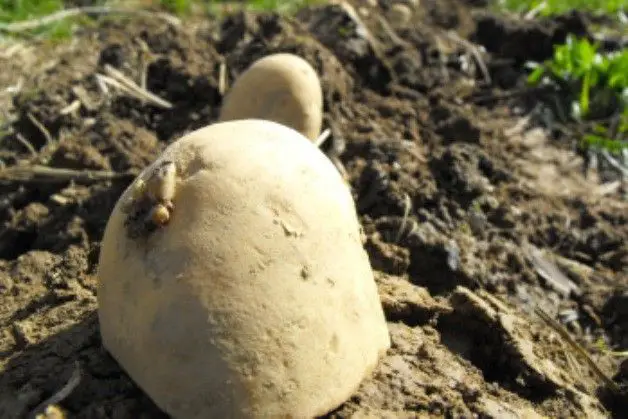
For growing potatoes, you will need seed potatoes, which are simply tubers that have sprouted. If the potatoes are too large, you can cut them into pieces, making sure each portion contains at least one healthy shoot. Gather your garden tools, such as a hoe and a rake, to prepare the planting area.
Preparing the Soil
The ideal soil for planting potatoes should be sunny, well-drained, and slightly acidic, with a pH lower than 5. This helps to avoid or reduce the risk of fungal diseases. Prepare the soil by digging furrows that are about two meters long, eight centimeters deep, and spaced 60-90 centimeters apart. The distance between the furrows is important for two reasons: it ensures the plants have enough space to grow and allows room for hoeing and cultivation as the plants develop.
Planting the Potatoes
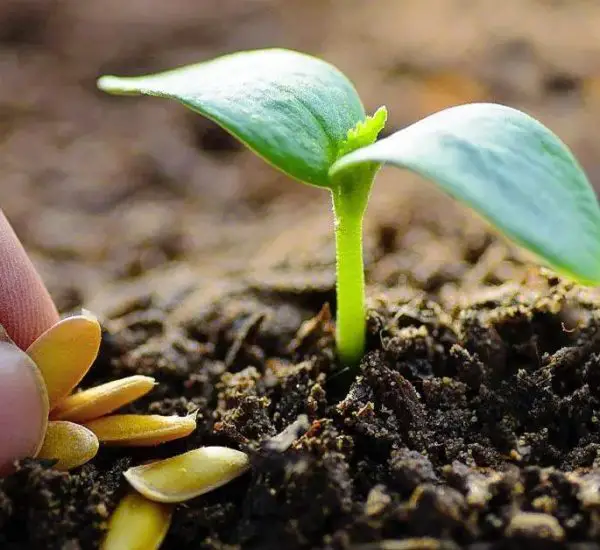
Once the furrows are ready, place the seed potatoes in the trenches and cover them with loose soil. Be sure not to press the soil down too firmly to avoid hindering the growth of the plants. As the seedlings begin to sprout, accumulate soil around the potato stalks to help support their growth. At this stage, you can also create a small irrigation furrow to help water the plants.
Ongoing Care
To ensure healthy growth, it’s important to hoe the soil around the potato plants every two weeks during the last two months of the growing period. This helps keep the soil loose and allows the plants to grow without obstacles. If you planted your potatoes in February or March, the new tubers will form by early summer and will continue to grow until autumn. The most common harvest period is May, and you can tell when it’s time to harvest by checking the seedlings. If they are dry, it’s time to harvest your potatoes.
Harvesting and Caution
Potatoes are a natural remedy for high blood pressure, but be careful not to harvest them too early. If the potatoes are still green, they contain a toxic compound. Wait until the plants are dry before harvesting to ensure the potatoes are safe to eat.
By following these steps and paying attention to the right timing and proper care, you’ll be able to enjoy a bountiful potato harvest right from your garden.