Watermelon, the queen of summer, is a refreshing, thirst-quenching fruit that’s surprisingly easy to grow in your own garden. With the right techniques and a little patience, you can enjoy homegrown watermelons that are sweeter and juicier than anything from the store. Whether you’re a gardening expert or a beginner, follow these tips to cultivate the perfect watermelon!
🌱 The Basics: Climate & Soil
Originally from tropical and subtropical regions, watermelons love warm weather. To thrive, they require:

✔ Temperatures above 20°C (68°F) during the growing season.
✔ Plenty of sunlight – at least 6–8 hours daily.
✔ Protection from frost, which can kill young seedlings.
🌍 Best Soil for Watermelons:
✅ Loose, well-drained soil rich in organic matter.
✅ Sandy or sandy-loam texture with a pH of 6.0–7.0.
❌ Avoid heavy, clayey soil, which retains too much water and can cause root rot.
🔹 Pro Tip: If your soil is too compact, mix in sand or compost to improve drainage.
💧 The Role of Fertilization
Fertilizing correctly ensures healthy growth, bigger fruits, and higher yields. Here’s what to keep in mind:
✔ Use different fertilizers depending on the growth stage.
✔ Follow dosage instructions carefully – too much can damage the plant.
✔ Incorporate fertilizers into the soil at the base of the plants, avoiding direct contact with stems and leaves.
✔ Water well after fertilizing to help the roots absorb nutrients.
🌿 Best Fertilizers? Choose organic options whenever possible – they’re better for the environment and your plants!
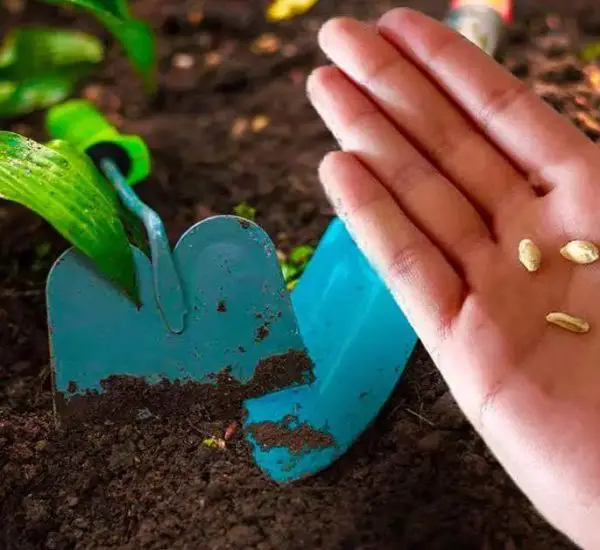
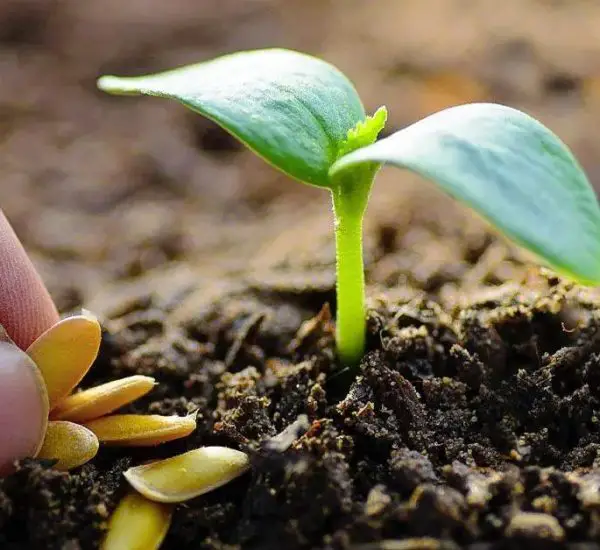
🌱 When & How to Sow Watermelon
Timing is crucial for a successful watermelon harvest!
✔ Sow in spring when night temperatures stay above 15°C (59°F).
✔ If growing in pots, start as early as March in a warm, sunny spot (20°C–25°C).
✔ Directly sow seeds outdoors once the risk of frost has passed.
🌙 Gardeners’ Tip: Some believe sowing during the Waxing Moon encourages stronger, healthier growth!
🌿 Growing Tips for the Best Watermelons
Want bigger, juicier watermelons? Try these tricks:
✔ Choose the Right Variety – Different types vary in size, sweetness, and ripening time.
✔ Encourage Pollination – Bees help fertilize flowers, so plant bee-attracting flowers nearby.
✔ Use Mulching – Straw, dry grass, or organic material helps retain moisture, prevent weeds, and regulate soil temperature.
✔ Protect Young Seedlings – Cover with insect netting to keep away aphids and whiteflies.
✂️ When & Why to Top Watermelons
Topping, or trimming the main stem, helps control plant growth and improve fruit production.
✔ Best time? June–July, when the plant has 5–6 leaves.
✔ Why top watermelons?
✅ More compact growth – Easier to water and manage.
✅ Better air circulation – Reduces fungal diseases.
✅ Encourages new lateral stems – Promotes smaller, but more numerous, fruits.
🍉 How to Know When Watermelons Are Ready to Harvest
There’s no exact formula, but these clues can help:
✔ Weight – A ripe watermelon feels heavy for its size.
✔ Firmness – Gently press the fruit; if it gives slightly, it’s ready.
✔ Color Change – The underside turns from white to creamy yellow.
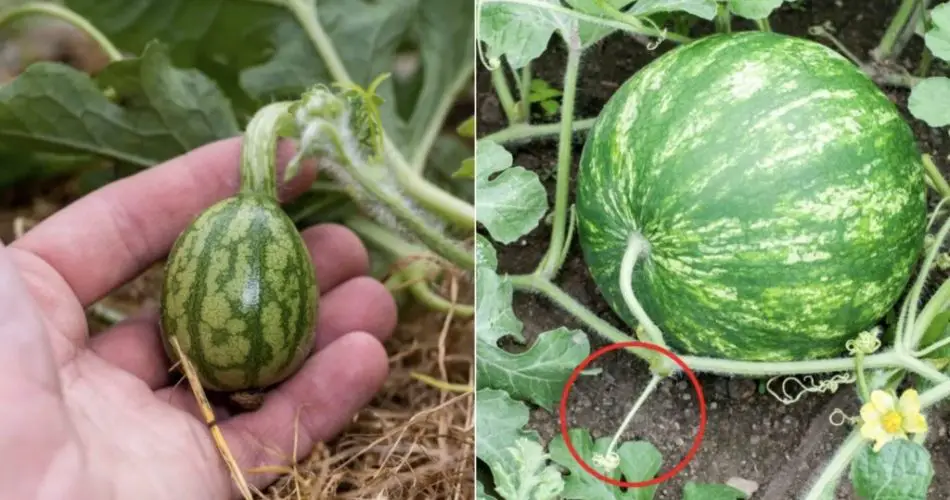
✔ Stalk Scar – The tendril nearest the fruit dries up when it’s ripe.
🌞 Ready to grow your own summer sweetness? With these tips, you’ll soon be harvesting delicious, homegrown watermelons to enjoy all season long! 🍉💚