How to Cultivate the Wax Flower and Unveil Its Flourishing Secrets
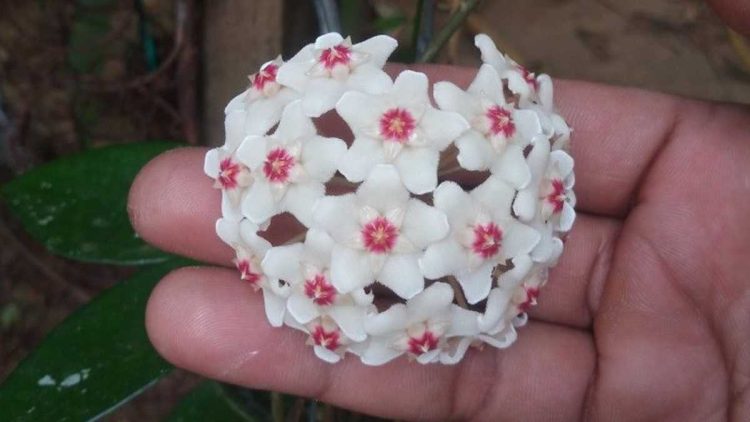
The wax flower, scientifically known as Hoya carnosa, stands as a captivating climbing plant with lush, waxy leaves adept at water retention. Bearing resemblance to succulents, it hails from the regions of China and Japan, gracing indoor spaces with its charming presence.
Attraction in Diversity:
The allure of the wax flower lies in the diverse foliage among its species. Identifying them apart can be challenging without the blooms in full display.
As Houseplants:
These plants prove to be low-maintenance, enduring, and consistently flowering year after year. Below, we unravel the essential care regimen that ensures the well-being of the wax flower.
Wax Flower Care:
- Light Matters:
Most members of this family shy away from direct, intense sunlight, thriving in shaded, indirect illumination. Replicating the conditions of its woodland habitat is crucial. Many botanical gardens adopt shade cloth to block 50 to 80 percent of direct sunlight. - Soil and Watering:
As an epiphytic plant, the wax flower doesn’t demand extensive space and seldom requires transplanting. However, changing the potting soil every 2 or 3 years is advisable. Opt for porous terracotta pots facilitating efficient water drainage. Regular watering is necessary, but it’s imperative to let the soil dry thoroughly to prevent root rot. - Humidity and Temperature:
Winter demands caution as the wax flower cannot endure temperatures below 10°C. Thriving in humid subtropical and tropical settings, it adapts well to drier environments.
Main Wax Flower Problems and Solutions:
- Leaf Discoloration:
Burning or reddening of leaves signals excessive light exposure. Shield the plant from direct sunlight. - Rotting Leaves:
Rotting leaves could indicate either insufficient or excessive watering. Check for mealybugs during root examination. - Limp Leaves:
Limp leaves may signify root death due to overwatering or underwatering. Assess root health for a precise diagnosis. - Limited Blooming:
Inadequate light could be hindering blooming. Some leaves may need specific “stress” conditions to induce flowering, such as cold or dry periods. - Falling Shoots:
Prolonged dryness or excessive moisture in the soil may lead to shoots falling off. Gradually moisten the soil to avoid overwhelming the plant during watering.
Cultivating the wax flower is an art that harmonizes with the lunar calendar, maximizing results. Embrace the guidance provided for each day in our sowing calendar and witness the flourishing transformation in your garden.