How to Cultivate Parsley Indoor
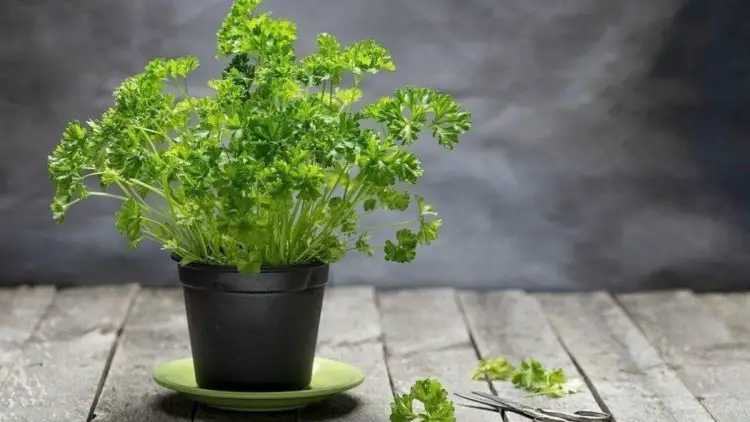
Indoor parsley cultivation is an easy endeavor that demands minimal effort. After covering the growth techniques of some popular herbs, let’s delve into cultivating another essential herb for your kitchen. Let’s explore the process of growing parsley in a pot for easy access!
The Comprehensive Guide to Indoor Parsley Cultivation
Parsley stands as a kitchen staple, featuring in a myriad of recipes, from the simplest to the most elaborate. Its year-round indispensability prompts the need for a steady supply. Thus, cultivating parsley at home emerges as a practical solution, further accentuated by the trend of potted herbs adorning indoor spaces. Embark on our comprehensive journey to ensure a perpetual reserve of fresh parsley!
Planting
To embark on successful parsley cultivation, adhere to two crucial guidelines. Firstly, recognize parsley as a biennial plant, requiring annual replanting due to flavor depletion in the second year. Secondly, opt for an appropriate container – a spacious pot with bottom drainage holes, accompanied by a saucer for excess water collection. Commence planting in early spring.
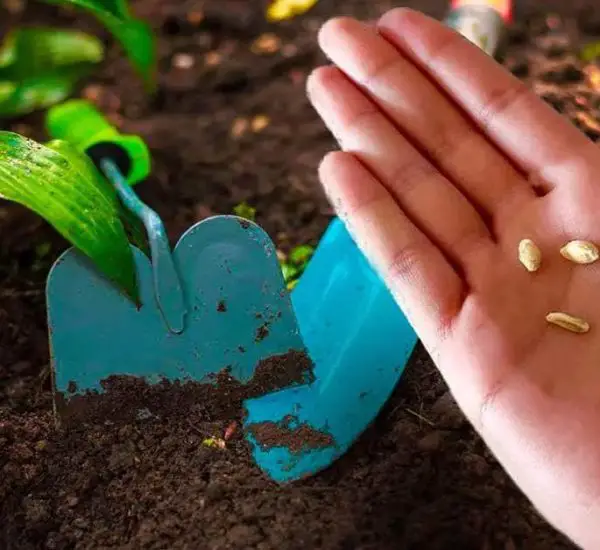
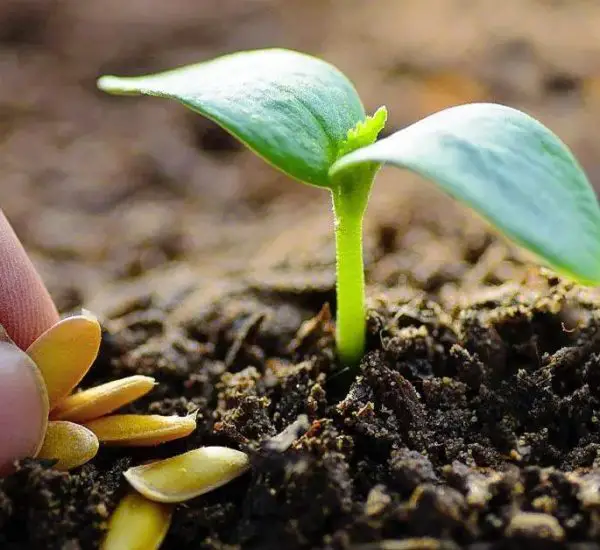
With essentials in place, procure aromatic herb potting soil, preferably organic, and fill your chosen container. Sow the seeds approximately 2cm deep and water adequately. Consistent watering is vital, maintaining moist soil without saturation. Seedlings typically emerge within three weeks. In case of overcrowding, thin them out using sharp scissors or by pinching with fingers to prevent damage to neighboring plants’ taproots.
Location and Watering Management
Indoor parsley cultivation proves straightforward, particularly in terms of plant placement. Experts advocate positioning the pot in the kitchen, preferably on a windowsill, benefiting from steam and frequent water use to elevate air humidity. For placement in other rooms, periodic misting becomes necessary.
Effective watering management is imperative post-planting to ensure the parsley’s vitality. Maintain soil moisture while preventing root saturation by emptying the saucer regularly. Kitchen-placed plants may require lighter watering due to heightened air humidity, whereas those in other rooms necessitate occasional watering, particularly if leaves exhibit dryness. Remember to empty the saucer after each watering session.
Fertilization
Throughout its growth phase, parsley requires regular fertilization. Opt for high-quality water-soluble fertilizers, applying them every two weeks during watering sessions.
For a sustainable and cost-effective approach, consider homemade natural fertilizers.
Harvesting and Storage
Commence parsley harvesting upon the development of true leaves, ideally waiting for a minimum of ten leaves to ensure plant resilience post-harvest. Selectively harvest outer leaves, avoiding extraction of more than half the plant to stimulate continuous growth.
For storage, freshly harvested parsley can be treated akin to flowers in water or stored in the refrigerator between damp paper towels. Long-term preservation offers two alternatives:
- Wash parsley leaves meticulously, pat them dry, and freeze them in freezer bags after ensuring adequate drying.
- Alternatively, dry parsley completely in a dehydrator or open air before storing in an airtight glass jar.
Note: Dried or frozen parsley enhances dishes but lacks the crispness for salads.
Handy Tips for Indoor Parsley Cultivation
Maximize your indoor parsley cultivation with these helpful tips:
- Soak seeds in water for 24 hours before planting.
- Plant seeds in rows, spaced 20cm apart.
- Beware of unfavorable herb combinations; parsley pairs well with chives, sorrel, and basil in a planter.