Lavender is a beautiful, fragrant, and low-maintenance plant that thrives in both pots and garden beds. It’s highly resistant to sun, wind, and cold, making it an excellent choice for beginner and expert gardeners alike. The key to success? Proper pruning and well-drained soil.
In this guide, you’ll learn:
✔ When and where to plant lavender 🌞
✔ How to care for it in pots and gardens 🌱
✔ Watering and fertilization tips 💧
✔ How to maintain it through winter ❄
🌸 Why Grow Lavender?

There are many reasons to add lavender (Lavandula officinalis) to your garden:
✔ Beautiful & Aromatic – Its vibrant purple flowers release a pleasant scent that can spread over several meters.
✔ Bee-Friendly – Lavender attracts pollinators like bees, which help your entire garden thrive.
✔ Multi-Purpose – Once the flowers dry, you can use them to freshen up drawers and create homemade potpourri.
🪴 How to Grow Lavender
You can grow lavender in three ways:
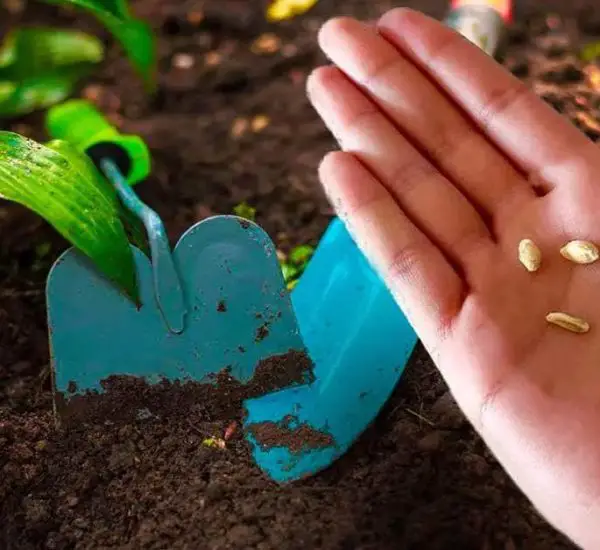
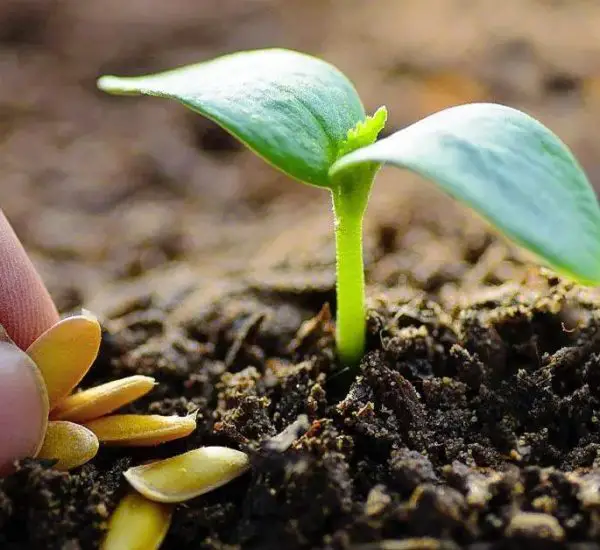
1️⃣ From Seed – Requires specific conditions and is not the easiest method. Best done in spring or autumn.
2️⃣ From Cuttings – The easiest method! Take a healthy 10 cm twig from a 2-3-year-old lavender plant, remove the lower leaves, and place it in soil or water until roots develop.
3️⃣ From Nursery Plants – The quickest option is to buy a young lavender plant, ready for transplanting.
🌿 Growing Lavender in the Garden
✔ Sunlight: Lavender loves full sun and grows best in warm, bright locations.
✔ Soil: It thrives in well-drained, dry, and slightly alkaline soil (even rocky or sandy). Avoid heavy clay soil.
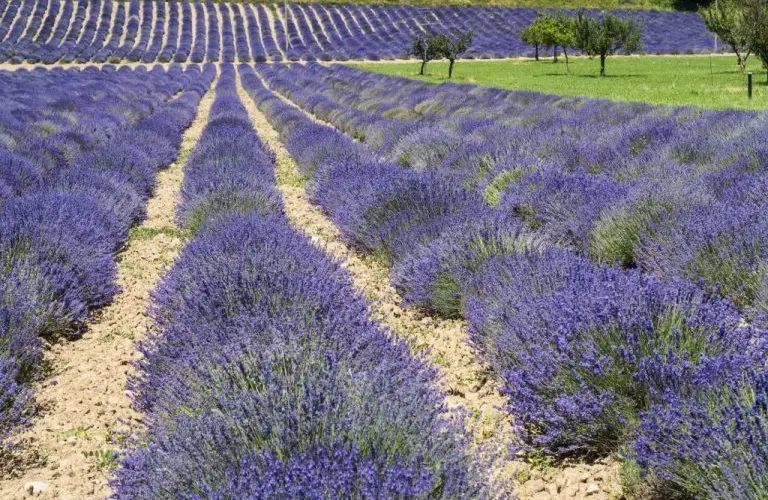
✔ Spacing: Lavender grows into a rounded bush about 1 meter high, so plant them 70 cm apart with 180 cm between rows.
🪟 Growing Lavender in a Pot
✔ Container Size: Use a pot with drainage holes to prevent water buildup.
✔ Soil Mix: Choose light, well-draining soil (mix sand or gravel into potting soil).
✔ Placement: Keep it in a sunny spot, like a balcony, terrace, or windowsill.
💡 Repot every spring into a slightly larger container with fresh, well-drained soil.
💧 Watering & Care Tips
✔ Water sparingly – Only when the soil is completely dry.
✔ Avoid overwatering – Stagnant water causes root rot.
✔ Water at the base – Never on the leaves or flowers to prevent fungal diseases.
🌱 When to Plant Lavender?

✔ Spring (Best Time) – The soil is warming up, perfect for growth.
✔ Autumn (Optional) – Suitable in mild climates, but not ideal in cold regions.
🌾 Fertilizing & Soil Maintenance
✔ Lavender thrives in poor soil – It does not need rich fertilizers.
✔ No manure! – Instead, add compost or mature manure occasionally to refresh nutrients.
✂ Pruning: Essential for Healthy Growth
Lavender expands quickly, so regular pruning is essential:
✔ End of Summer – Trim the plant after flowering to keep it compact.
✔ Topping – Cut just below the flowers to maintain shape.
✔ Thinning – Remove excess stems at the base to improve air circulation.
❄ Winter Care for Lavender
✔ Most varieties resist cold up to -15°C.
✔ For potted lavender, move it to a sheltered but sunny spot.
✔ Cover garden plants with mulch or straw in harsh winters.
🌿 Grow Your Own Lavender Today!

With minimal effort, you can enjoy fragrant blooms, a bee-friendly garden, and fresh homemade lavender all year long. Whether in a pot on your balcony or a sunny garden bed, lavender is a beautiful, useful, and easy-to-grow plant.
Will you be planting lavender in a pot or in your garden? 💜🌱