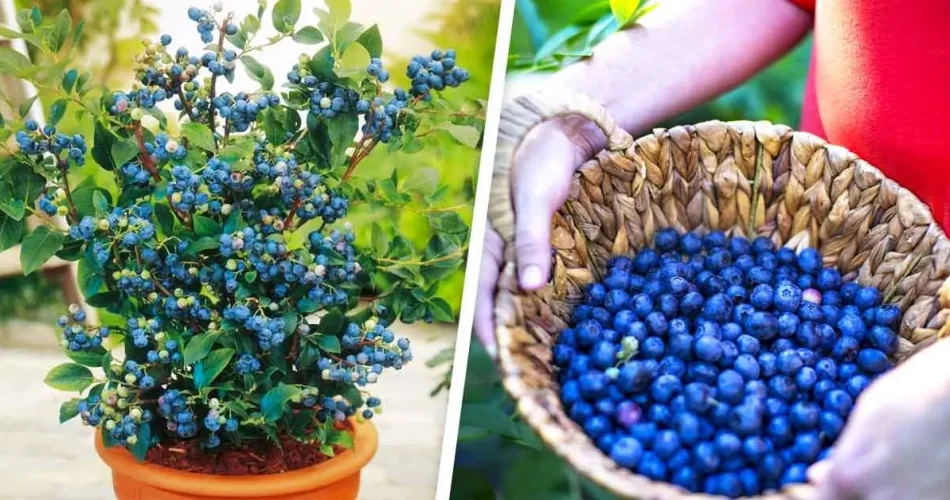
Blueberries are not just wild fruits; with a little effort, you can easily grow them right in your own garden! These delicious fruits are nutritionally rich, and the leaves of the plant are known for their benefits, especially in improving eye health. Blueberry plants are hardy and can thrive in many environments, even resisting temperatures as low as -25°C. Whether you’re looking to enjoy fresh berries or benefit from their medicinal properties, here’s how you can successfully grow blueberries in your garden.
Why Grow Blueberries?

Blueberries are an incredibly rewarding plant to grow, offering numerous health benefits. The fruit is rich in antioxidants, supporting blood vessel health, improving eye health, and even helping to treat conditions like hemorrhoids, varicose veins, and diarrhea. With their beautiful, white bell-shaped flowers and spherical blue berries, blueberries can also enhance the visual appeal of your garden.
Ideal Growing Conditions for Blueberries

Blueberries grow best in acidic soils, preferring a pH between 3.5 and 5. They thrive in light, sandy, and loose soils. If you are planting blueberries in the plains, look for varieties that have a low cold requirement. These varieties, originally developed in the United States, are much larger than wild blueberries and can grow up to 2 meters tall, producing up to 10 kg of fruit per plant! The plants prefer full sun for optimum growth, though wild blueberries naturally grow in shaded undergrowth.
Planting Blueberries in Your Garden
To grow blueberries successfully, it’s best to plant them in autumn when the soil is still warm deep down, which helps the plants establish roots before the colder months. You can also plant them in containers at any time of the year as long as you ensure adequate watering.
Planting Tips:
- Space the plants about 1.2 meters apart to give them enough room to grow.
- Choose a location with full sun (for cultivated varieties) or partial shade (for wild types).
- Ensure the soil is acidic and well-drained. If your soil is neutral, the plant will still grow, but the yield may be lower.
Pruning and Maintenance

Although it may feel a bit sad to prune your newly planted blueberries, it’s essential for healthy growth. Here’s how to maintain your plants:
- In the first year, cut back all the branches by half to encourage bushy growth.
- Continue pruning annually to remove weak branches and dead wood. Any branches 4 years or older should be removed to keep the plant healthy.
- To keep the soil moist during the summer, apply mulch around the base of the plant. Be sure to water the base directly, avoiding wetting the foliage to prevent the development of powdery mildew.
Harvesting Blueberries
Blueberries are typically ready to harvest from June to late summer, depending on the variety. While wild blueberries are deciduous and may drop their leaves during the winter, garden varieties produce berries that can be harvested by hand, one at a time. Handpicking ensures you harvest only ripe berries, as they do not all ripen simultaneously.
- Yield: Expect anywhere from 300g to 3 kg of berries per plant, depending on the variety and growing conditions. Some varieties, like the “champions,” can produce up to 10 kg of fruit per plant.
- Longevity: Blueberry bushes are long-lived, lasting up to 50 years with proper care.
Common Diseases and Problems
While blueberry bushes are generally resistant to pests, there are a few issues to be aware of:
- Powdery mildew: This fungal disease can be controlled with sulfur sprays.
- Sclerotinia rot: Caused by a fungus in the soil, it requires cutting back affected areas and planting in a new, healthy location.
Best Varieties of Blueberries

Almost all American blueberry varieties are self-fertile, meaning they can produce fruit on their own. However, planting different varieties will improve your harvest.
Early Varieties:
- Bluetta: Cold-resistant and produces medium-sized berries with a firm, tangy taste.
- Patriot: Extremely hardy, producing large, slightly acidic berries.
Mid-Season Varieties:
- Blue Crop: A productive variety, great for both personal use and the agri-food industry.
- Ivanohe: Known for its large, firm berries with a tangy flavor.
Late Varieties:
- Jersey: Medium-sized berries with a late-blooming fragrance.
- Darrow: Very large, flavorful berries with exceptional aroma.
Wild Blueberries:
- Vaccinium myrtillus: A smaller, wild variety, producing sweet-sour, slightly astringent berries. These are usually harvested late summer to early autumn.
Growing Blueberries in Pots
If you’re short on space or want to grow blueberries on a balcony or terrace, you can easily grow them in pots. Choose wild blueberries (evergreen varieties) and plant them in heather soil (the same type used for camellias or hydrangeas). Be sure the pot is at least 30-50 cm in diameter and has proper drainage.
Conclusion
Growing blueberries in your garden or in pots is an easy, rewarding endeavor. Whether you’re after the delicious fruit or the medicinal leaves, blueberry bushes provide a variety of benefits. With proper care and attention to their specific needs, you can enjoy fresh, nutrient-rich berries for many years to come. So, start planting and watch your blueberry bushes flourish!


