Did you know that you can grow your very own delicious and fragrant lemons right in a small cup? This simple and rewarding planting method only requires lemon seeds from juicy fruits, and with the right steps, you’ll soon have your very own indoor lemon tree. Whether you’re an experienced gardener or just starting out, this guide will help you develop your skills and grow a lemon tree from the comfort of your home.

How to Grow a Lemon Tree in a Cup

Growing a lemon tree in a small cup might seem surprising, but this clever method skips the traditional long-growing time and allows you to enjoy fresh citrus fruits sooner. Instead of waiting years for a full-size tree, opt for dwarf varieties of citrus that are perfect for small containers. Ask your nursery for dwarf lemon trees that will thrive in compact pots or cups.
Steps to Grow Your Lemon Tree in a Cup:
- Start with Fresh Seeds
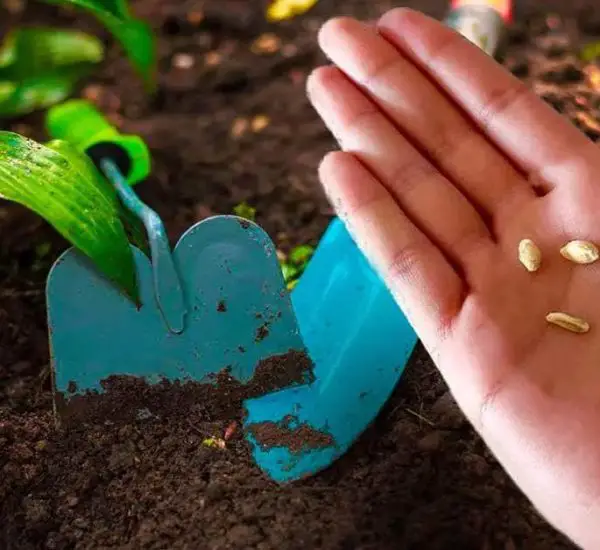
Begin by using seeds from about 5 to 10 lemons. Rinse them well and place them in a glass of water. Remove any seeds that float, as they are not viable. Dry the seeds with a paper towel before planting. - Prepare the Cup and Soil
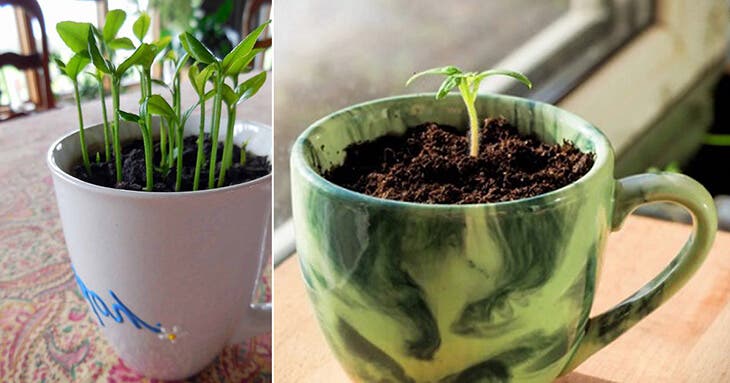
Fill a small cup with damp, black potting soil. Create a bed for the seeds by covering them lightly with the soil, ensuring they are well nestled in. - Create the Right Environment
Place the cup near a sunny window where it can get plenty of light. Cover the soil with small gravel to help maintain moisture and improve drainage. Keep the soil consistently damp but never soaked. - Wait for Germination
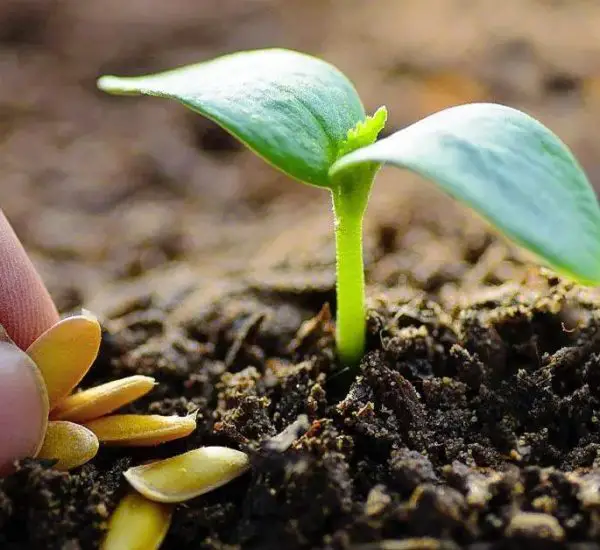
In about 15 days, you should see seedlings begin to emerge. Water the plant only when the soil feels dry to the touch. At this point, you can choose to repot the tree to give it more space as it grows.
How to Repot a Young Lemon Tree

As your lemon tree grows, it will need more space to develop. When repotting, choose a pot that is at least 25% larger than the current container. Opt for a terracotta pot, as its porous nature helps the soil breathe and prevents root rot.
Additionally, make sure the soil is rich in organic matter such as compost or manure. For optimal fruit growth, the soil should be well-drained with a pH level between 5.5 and 7. You can use a pH meter to check the soil’s acidity if needed.
How to Water a Dwarf Lemon Tree
For healthy growth, daily watering is essential for your lemon tree. However, it’s important to avoid overwatering or underwatering. The best way to check if your plant needs water is by touching the surface of the soil. If it feels dry, it’s time to water. During hot weather, you may need to water more frequently.
Choosing the Right Fertilizers for Your Lemon Tree
While enriched soil is great for your lemon tree, using the right fertilizers can speed up its growth and help it fruit sooner. Slow-release fertilizers such as NPK 12-6-6 or 20-20-20 are excellent for nourishing the soil. You can also add iron, zinc, or manganese to boost the tree’s health. For good growth, soluble fertilizers are another effective option.
When to Harvest Your Lemons

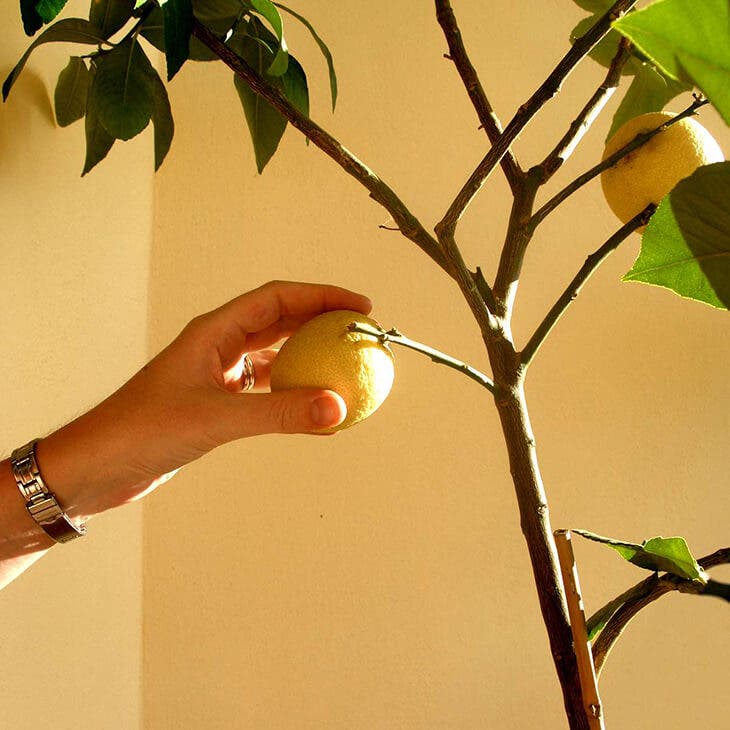
To harvest your homegrown lemons, simply wait until they are ripe. Ripe lemons will be bright yellow, slightly soft, and heavy to the touch. Once they reach this stage, they are ready for use. Just squeeze and enjoy the fresh, tangy juice!
Conclusion
Growing a lemon tree in a cup is a fun and easy project that allows you to enjoy the fresh fruit of your labor. By following these simple steps—choosing the right seeds, watering properly, and providing the right environment—you can grow a healthy and productive lemon tree right in your home. Whether you’re adding a touch of greenery or hoping to harvest your own citrus fruits, this indoor gardening project is a great way to improve your gardening skills and enjoy fresh lemons all year round!