Learn How to Create Home Composting for a Greener Garden
Home composting is an eco-friendly and efficient way to recycle garden waste and household scraps, transforming them into rich, nutrient-packed compost that can be used as a natural fertilizer for your garden. It not only helps reduce solid urban waste but also promotes a healthier environment by improving soil quality. If you’re wondering how to start composting at home, here’s a simple guide to get you on the right track!
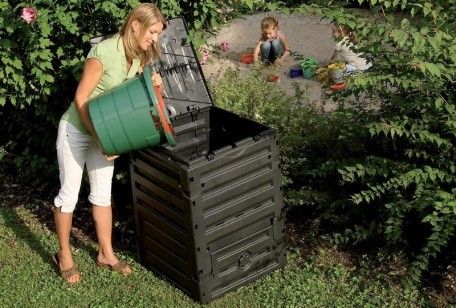
1. Setting Up for Home Composting
To start home composting, all you need is a small patch of land in your garden (ideally sunny) where you can accumulate green waste from your garden (such as leaves, branches, and dried grass) along with compostable household waste. This simple process can significantly reduce the amount of waste you throw away and help improve your garden’s soil health.
Many municipalities, like those in Italy, encourage home composting by offering discounts on the Tarsu (solid waste tax) as an incentive to reduce waste.
2. Storing Compost: Choosing the Right Container
You have two main options for storing your compost:
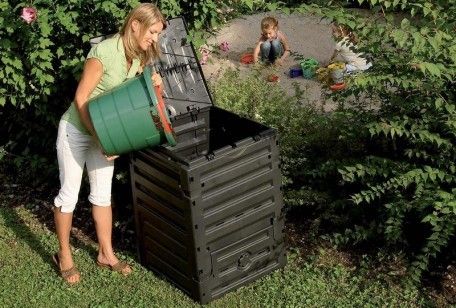
- Composter: You can purchase a composter made from wood, plastic, or wire mesh. This keeps the compost protected from animals and helps with proper air circulation.
- Compost Pile: Alternatively, you can create a pile directly on the ground or dig a small hole where you can deposit your compostable scraps.
Both options allow for effective composting, so choose whichever is most convenient for your space and needs.
3. How to Make Compost: The Process
To start creating your compost, follow these steps:
- Create a Base Layer: Begin by placing a layer of twigs or small branches at the bottom of the composter to allow for proper air circulation.
- Add Scraps: Start adding your compostable waste, ensuring that each layer is about 20 cm deep. Water each layer to maintain the right moisture level.
- Diversify Your Scraps: Whenever possible, mix different types of compostable materials to help balance the nutrients.
- Chop Scraps: To speed up the process and reduce fermentation time, it’s recommended to chop larger pieces of waste, such as branches or thick stems.
4. What Can You Compost?
The following materials are perfect for composting:
- Nitrogenous Waste: This includes vegetable scraps from your garden, such as peels, plant trimmings, and weeds.
- Household Waste: Certain household items can be composted, like coffee grounds, tea bags, egg shells, nut shells, biodegradable pet litter (from herbivorous animals), and natural fabrics like cotton and wool.
- Carbon Waste: These include branches, pruning remnants, and paper (avoid printed or plastic-coated paper). Cardboard can also be used, but be sure it’s free from harmful chemicals.
By composting the right materials, you’ll create nutrient-rich compost that will benefit your garden or vegetable patch.
5. Maintaining Compost: Keep It Healthy
To keep your compost in good condition, you’ll need to focus on:
- Air Circulation: Aeration is crucial for fermentation. Mix the compost every 6 weeks using a fork to ensure it gets enough air.
- Moisture: Compost should remain moist, but not too wet. Water it every 3 weeks to maintain the right humidity. If it gets too wet, turn the compost to allow it to dry out.
- Turning: Regularly turning the compost helps break down the material and accelerates the decomposition process.
6. How Long Does It Take to Make Compost?
Composting typically takes:
- 3 to 4 months in the summer (faster due to warmer temperatures).
- 4 to 6 months in the winter (slower due to colder weather).
Once your compost is ready, it will have a dark, crumbly texture and an earthy smell. At this point, it can be used as a natural fertilizer for your vegetable garden or flower beds, enriching the soil and promoting healthy plant growth.
Final Thoughts
Home composting is a simple and rewarding way to reduce waste while improving your garden’s health. By following these steps, you can create nutrient-rich compost right at home, benefiting both your plants and the environment. Happy composting!