Dear gardeners, are you ready to boost your vegetable garden and ensure a prosperous harvest? The key to a thriving garden is not just proper maintenance, but also the addition of organic fertilizers like urea. Let’s dive into the advice from expert gardener Laurent Courtade on how to effectively apply urea and take your garden to the next level!
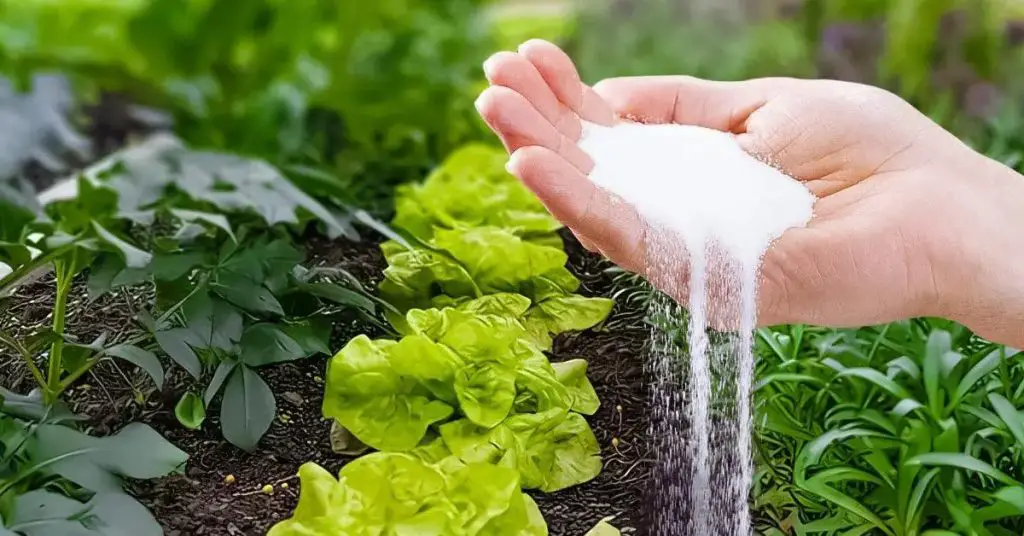
Maintaining Your Vegetable Garden in February and March
The months of February and March are notoriously unpredictable for gardeners. While the days begin to warm up, giving us hope for the upcoming spring, it’s important to stay vigilant with care and attention:
- Covering plants: As temperatures drop at night, be sure to cover your plants to protect them from frost.
- Mulch carefully: Apply a thin layer of mulch to protect your plants, but avoid making it too thick, as it can prevent the soil from releasing cold and harm your plant’s roots.
- Soil improvement: Enhance the soil quality with manure, compost, or green fertilizers to provide nutrients and improve soil texture, which may be compacted from the cold winter rains.
But one crucial step in preparing your garden for spring is feeding your plants—this is where urea comes in. Let’s explore how to use this fertilizer effectively.
What is Urea and Why Use It?
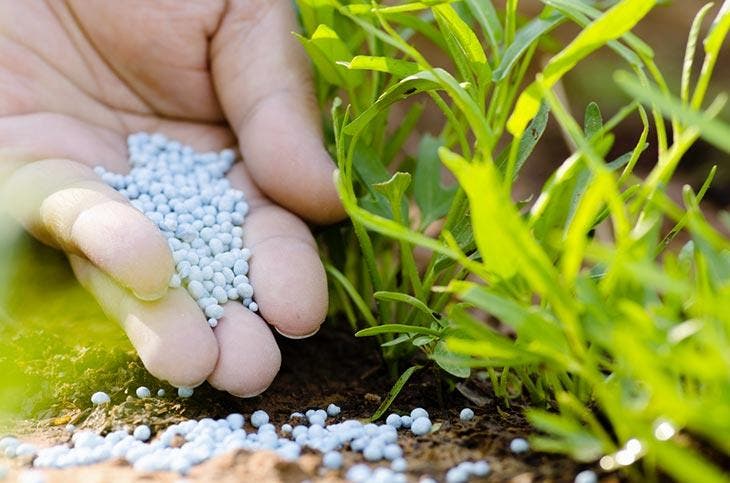
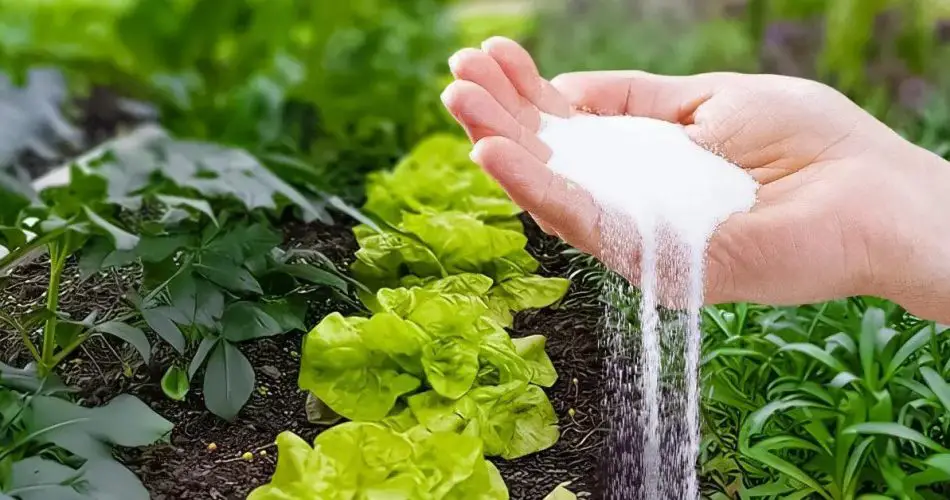
Urea is a powerful organic fertilizer that provides essential nitrogen to your soil and plants. It comes in granular form and is widely used to enhance plant growth. Here’s a quick breakdown of its characteristics:
- White or yellow crystals: Urea is a chemical compound with an odorless appearance.
- High nitrogen content: It contains up to 46% nitrogen, making it highly effective in promoting plant growth.
- Solubility: Urea dissolves well in water and offers low risk of leaching.
- Ideal for sandy and loamy soils: Its acidifying effect is mild compared to other fertilizers, such as ammonium sulfate.
For gardeners, urea offers significant benefits, but knowing when and how to apply it is key to avoiding potential drawbacks.
When to Apply Urea to Your Garden
While urea can be introduced in the fall, its effectiveness is limited during this time because nitrogen decomposes quickly in winter. The best time to apply urea is in early spring, when the soil is ready for planting.
Here’s how to do it:
- Timing: Apply urea 7 to 10 days before sowing to allow it to reach the ideal depth (6-8 cm) in the soil.
- Soil Conditions: Urea works best in slightly acidic and moist soils. In neutral or alkaline soils, be sure to plough it in carefully to prevent nitrogen loss.
How to Apply Urea in Different Stages of Plant Growth
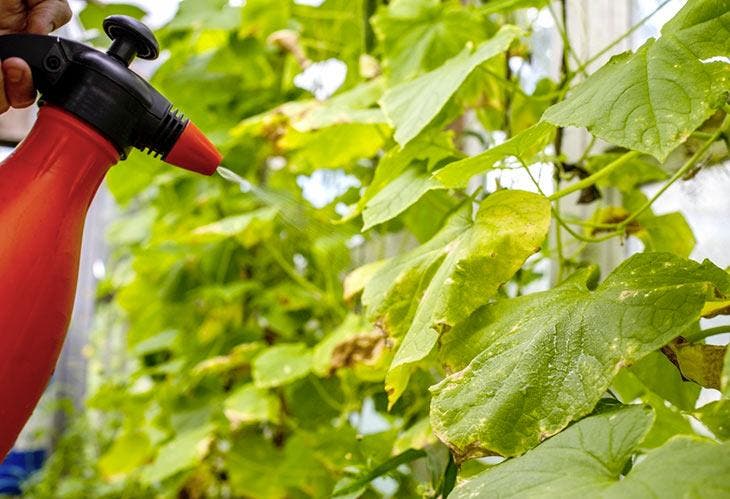
Urea is effective when applied at various stages of plant growth. Here’s how to use it for different crops:
| Fertilization Stage | Method | Details |
|---|---|---|
| Before sowing | Granules | Incorporate urea granules into the soil at least 4 cm deep during spring plowing. |
| During sowing | Combined with potassium fertilizers | Mix urea with potassium fertilizers, but keep a layer of soil between the fertilizer and seeds for optimal growth. |
| During growth | Foliar feeding | Dissolve urea in water and spray on the leaves in the early morning or late evening. This promotes rapid nutrient absorption. |
How Much Urea to Apply?
The right amount of urea depends on your soil, crops, and method of application. Here are some general guidelines:
- Vegetable crops: Add 3-4 grams of urea in the hole when planting.
- Tomatoes, potatoes, cabbage, garlic, strawberries, cucumbers: Dilute 25-30 grams of urea in 10 liters of water and use 1 liter per plant.
- Fruit trees and ornamental shrubs: Scatter urea in a circle around the trunk, then water it in well. Adjust the quantity based on tree size:
- Young apple trees: 140-150 grams
- Mature fruiting apple trees: 200-250 grams
- Flowering plants: Apply 5-10 grams per square meter for flowers like hyacinths, roses, and calla lilies.
Using Urea as a Spray for Pest Control
If you want to tackle pests and parasite eggs, spray your plants with a urea-based solution before the buds break in early spring. Use 800 grams of urea per 10 liters of water to reduce pests and achieve a low fungicidal effect.
Conclusion
Urea is a versatile and powerful fertilizer for gardeners who want faster growth, richer colors, and abundant harvests. By applying it correctly—during the right seasons, in the right amounts, and with the proper techniques—you can boost your plant health and improve soil quality. Whether you’re growing vegetables, fruits, or flowers, urea is a game-changer for achieving a thriving garden.