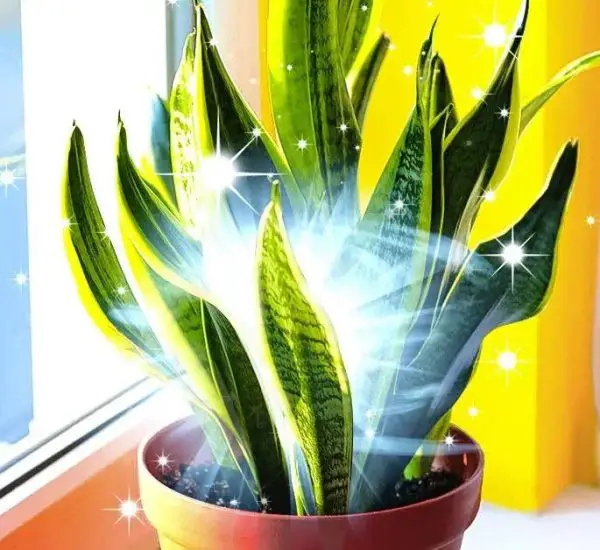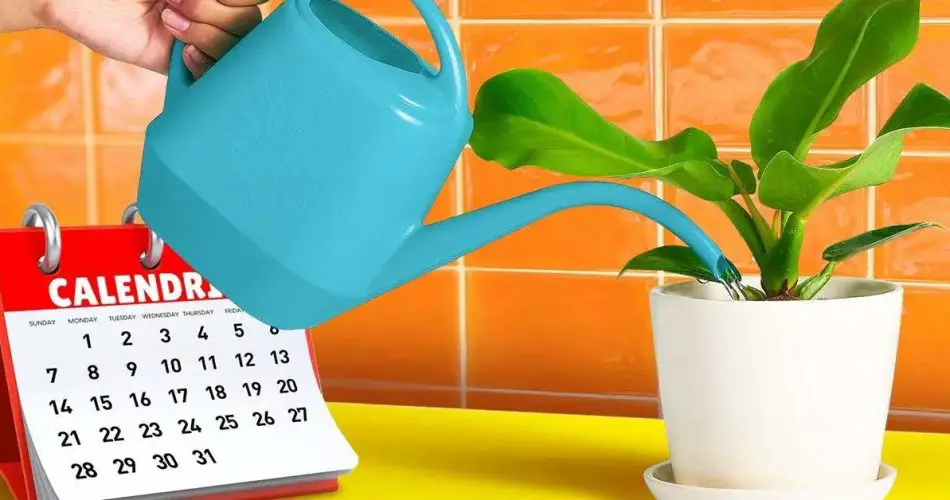
Indoor plants not only enhance your home décor but also offer air-purifying benefits and help create a relaxing environment. However, without proper watering, they can quickly wither. The key to keeping them healthy is striking the right balance—not too much, not too little. So, how often should you water your plants? Read on to find out the best practices for watering different types of houseplants.
General Rule: Once a Week is a Good Start
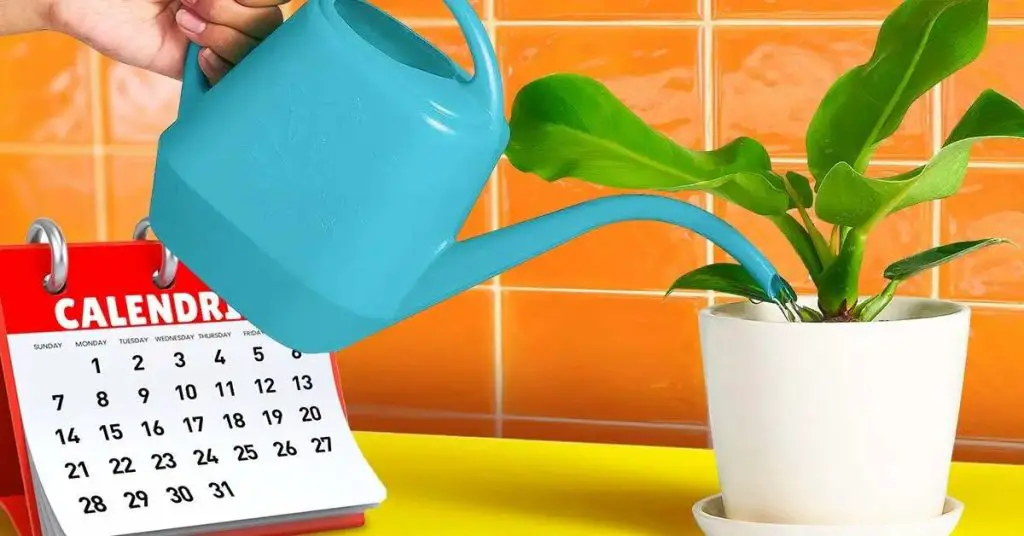
According to Charlotte Bailey, a plant expert from Oh So Garden, the general rule is to water indoor plants once a week. However, this can vary based on factors like the plant type, climate, and light and temperature levels in your home. For most plants, overwatering is more harmful than underwatering. Toby Schulz, CEO of Lawn.com.au, explains that a simple visual check of the soil can tell you if the plant needs water or can wait another week. If the soil appears dark, it’s likely time for a drink!
Watering Succulents: Less is More
Succulents, including cactus, Aloe vera, and the Jade tree, need far less water compared to other indoor plants. During the summer, they should be watered every two weeks if the temperatures exceed 40°C. In the winter, they only need water about once a month since they go dormant during the cooler months. However, certain succulent varieties with smaller leaves may require more frequent watering during warm weather, so adjust accordingly. As always, avoid overwatering—this can do more harm than underwatering.
Watering Potted Plants: Know Your Plant’s Needs
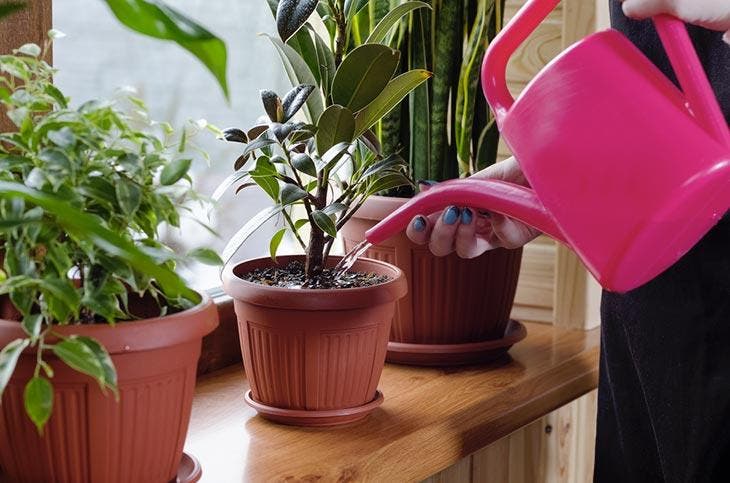
For potted plants, watering frequency depends on the specific species. Some plants need the soil to remain moist, while others can tolerate drier conditions. To check if a plant needs watering, stick your finger into the soil. If the top 5 cm are dry, it’s time to water. For plants with low water needs, the soil can stay dry longer. Remember, different plants need different amounts of moisture. Plants like orchids require a different approach—sometimes it’s best to water them by placing the pot in a bucket of lukewarm water until no bubbles appear, then air dry the pot.
How to Tell if Your Plant Needs Water
To avoid the risk of overwatering, it’s crucial to regularly check the soil moisture. If the soil feels damp, wait another day or two before checking again. If the soil is dry to the touch, it’s time to water. Plants in well-drained mixtures with elements like pumice will need more frequent checks compared to those in denser compost. Always pour water over the entire surface of the soil and avoid getting water on the leaves to prevent waterlogging.
When is the Best Time to Water Plants?
The best time to water your plants is in the morning. This gives the plant enough time to absorb the moisture and dry off before the sun sets. Evening watering can leave water sitting in the soil or on the foliage, which can lead to rot, fungal growth, and even attract pests.
Watering Outdoor Planters: Daily Care Required
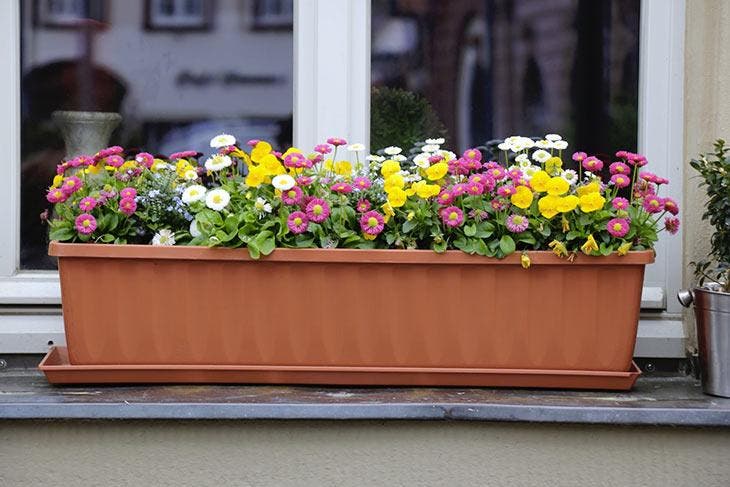
Outdoor planters, filled with vibrant flowers, aromatic herbs, or attractive foliage, require frequent watering. These plants typically need to be watered at least once a day, especially in the summer heat. To make the process easier, consider installing an automatic watering system or placing the planters near windows for easy access. In addition to watering, fertilization is also key. Use slow-release feeding granules when planting, and apply liquid fertilizer weekly for healthy growth.
Should You Water Cut Flowers Every Day?
Cut flowers in a vase also need a steady supply of water. Be sure to change the water every 2-3 days to keep them fresh and prevent wilting. Some bouquets can consume all the water in the vase on the first day, so it’s important to keep the vase topped off with clean water. For longer-lasting flowers, add a pinch of sugar to the vase water—it helps preserve the blooms and prevents them from decomposing too quickly.
Conclusion
Watering your houseplants is an essential part of keeping them healthy, but it requires some attention to detail. Find the right balance of water for each type of plant, and always check the soil before watering. With the proper care, your indoor and outdoor plants will thrive and continue to add beauty and freshness to your home.