Dealing with mold issues in your home? Discover how these aromatic plants can effectively eliminate mold and enhance your indoor environment.
Plants Against Mold: A Natural Solution
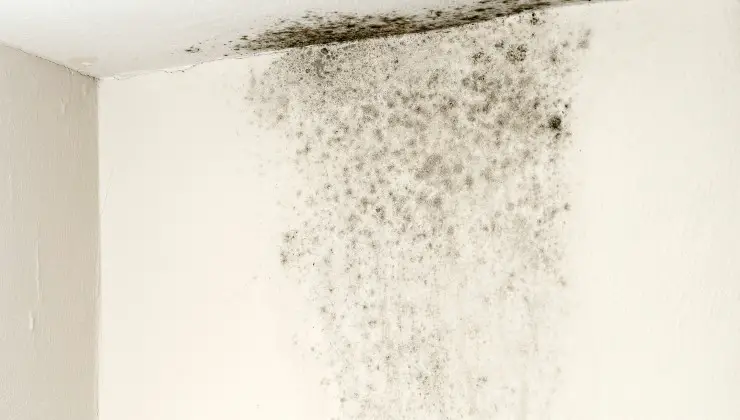
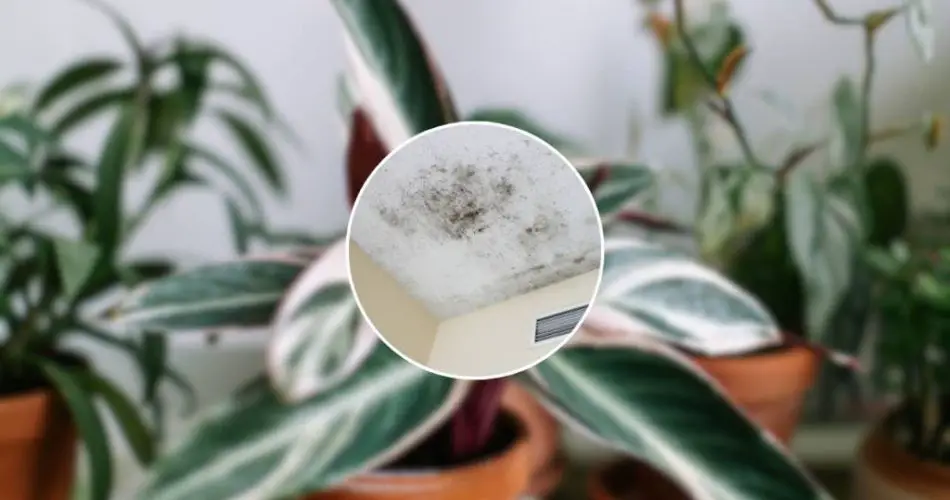
Mold thrives in damp environments, posing health risks and aesthetic concerns. Whether it lurks on walls or in closets, combating mold requires addressing underlying issues like humidity and ventilation.
The Mold Problem
Mold growth is often triggered by high humidity and poor ventilation. Left unchecked, it can lead to respiratory problems and structural damage. While dehumidifiers are commonly used to reduce moisture levels, there’s a natural and visually pleasing alternative that many overlook.
Combatting Mold with Fragrant Plants
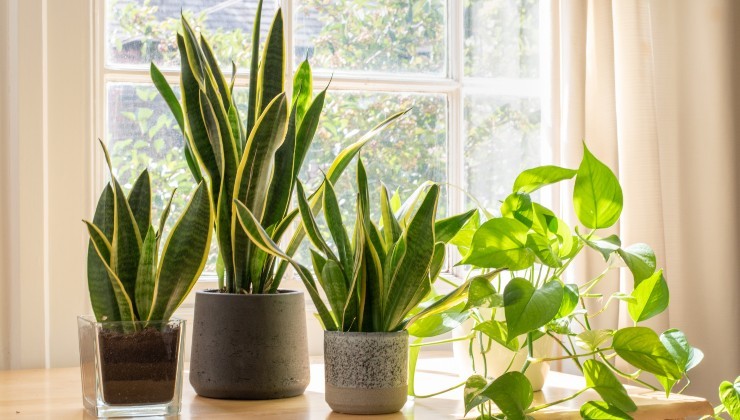
Surprisingly, certain plants can play a pivotal role in mold prevention within your home. Here are some effective options:
- Fern: Known for thriving in humid conditions, ferns absorb moisture from the air, reducing humidity levels naturally. Place them in high spots to enhance air circulation and aesthetic appeal.
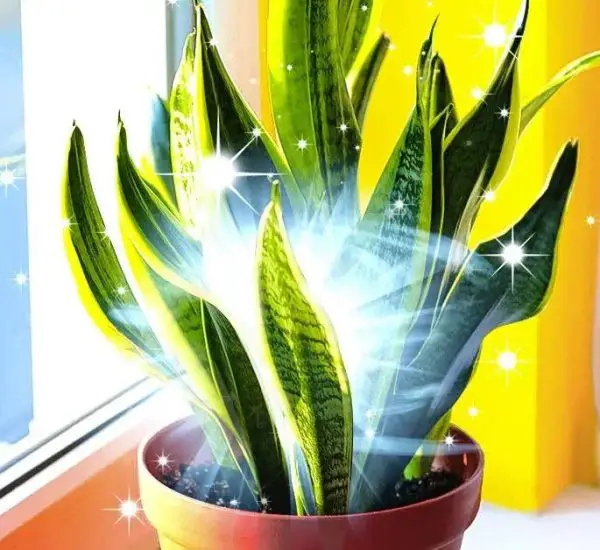
- Sansevieria (Snake Plant): With its sturdy, striped leaves, this succulent efficiently absorbs excess moisture without requiring direct sunlight. Ideal for corners and spaces with limited light.
- Orchid: Originating from tropical climates, orchids thrive in humid environments. They absorb moisture while adding a touch of elegance to your living spaces. Ensure they receive adequate indirect light for optimal growth.
- Pothos: A versatile plant that can trail elegantly from hanging baskets or climb with support. Pothos thrives in high humidity and is adaptable to various light conditions, making it suitable for combating mold in different areas of your home.
Arranging Plants to Combat Mold
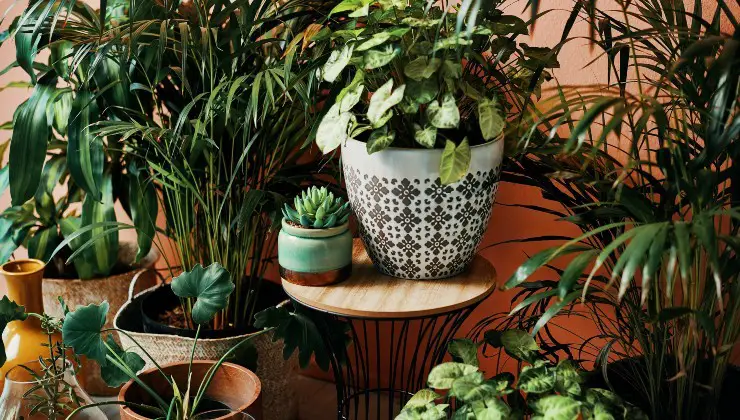
Strategically placing these plants can maximize their mold-fighting potential. Hanging varieties like ferns can be placed on shelves or high surfaces, while upright plants such as orchids and sansevieria are suited for floors or raised platforms. Although combining these plants enhances their effectiveness, it doesn’t completely eradicate mold under severe humidity conditions (above 70%).
Conclusion
While these fragrant plants provide natural mold prevention, severe cases require professional intervention to resolve underlying moisture issues. Nonetheless, integrating these plants into your home not only enhances its aesthetic appeal but also contributes to a healthier living environment by combating mold effectively.