Few people realize that spraying hairspray on flowers can yield surprising benefits. Follow these tips to enjoy more beautiful blooms while saving money!

Hairspray on Plants
For flower enthusiasts, caring for your plants is essential to maintain their vigor and vivid colors. Each type of flower requires specific care regarding water and sunlight exposure. However, there are universal tips that can help preserve the petals of cut flowers for a longer period.
Spray Hairspray on Your Flowers
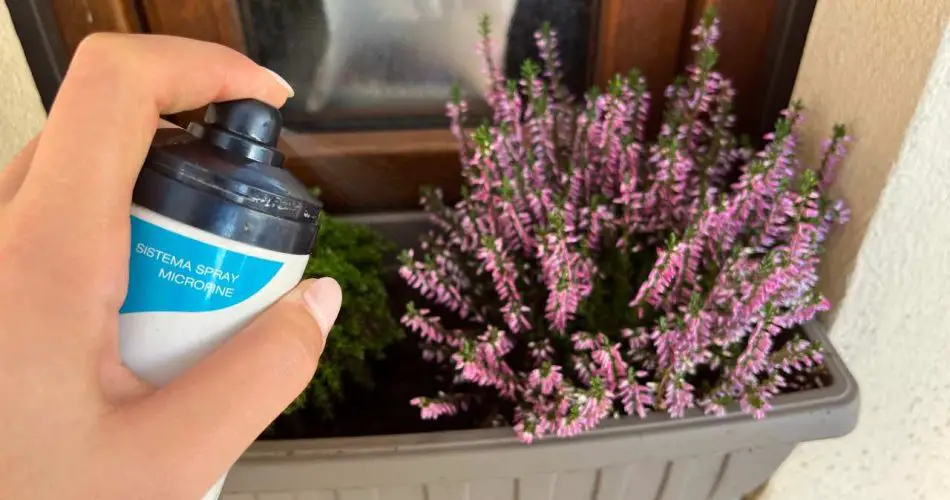
If you notice your flowers looking a bit damaged with cut petals, grab some hairspray! Just as hairspray helps hairstyles stay in place, it can also help petals maintain their freshness. A light spray will protect cut flowers, reducing the need for expensive preservatives from the store.
Additional Tips for Flower Care

Use Aspirin
For cut flowers needing urgent care, consider using aspirin—a common item in most medicine cabinets. Simply add it to the water used for your plants. This will help prolong their lifespan and protect them from further damage.
Incorporate Bleach
Bleach is a versatile cleaning product that can also benefit your garden. Add a quarter teaspoon of bleach to one liter of water for watering your flowers. This small amount will help eliminate harmful bacteria, promoting healthier plants.
Sugar and Vodka for Nourishment

Combining sugar and vodka in your plant care routine can yield great results. Vodka acts as a strong disinfectant, eliminating harmful bacteria, while sugar serves as a natural source of nourishment for flowers. Mix sugar into the water you use for your plants to encourage photosynthesis. Just be sure to change the water frequently to prevent bacterial growth.
The Benefits of Natural Remedies
By using these natural remedies, you can achieve long-lasting results for your plants without resorting to commercial products that often contain harmful chemicals. Always read instructions carefully and ensure that your flowers can handle the substances you choose. Understanding what’s best for your plants is key to effective care!