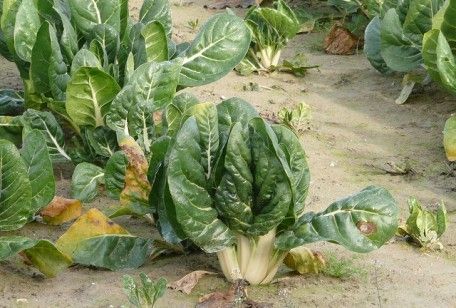
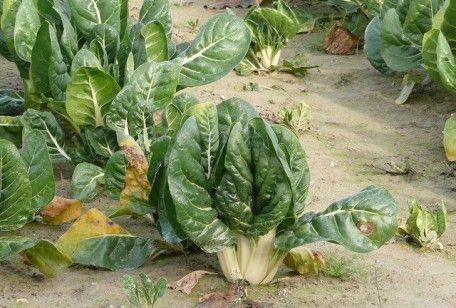
In this article, I would like to share some tips on how to grow chard, a very tender vegetable that can be enjoyed boiled or steamed with just a drizzle of oil. It is also perfect for making soups, minestrone, flans, and omelettes. Growing chard is very easy, and it thrives in spring, when temperatures are mild or no longer excessively cold. Just 2 months are enough for the plants to develop. By sowing chard around March, you can enjoy your first tasty harvest before summer.
Preparing the Soil
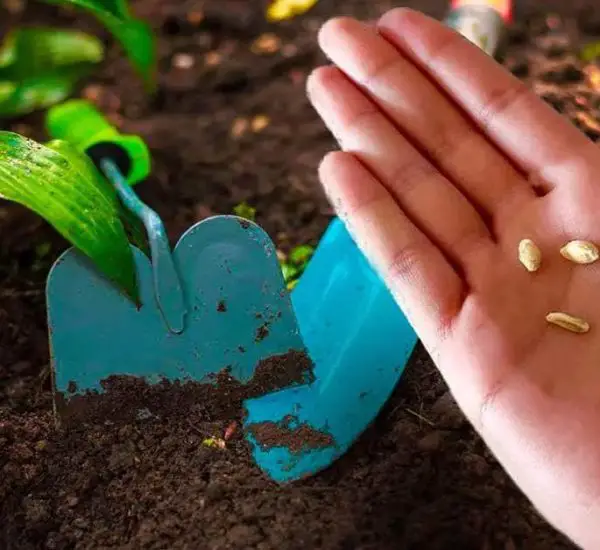
Before planting, you need to prepare the soil. Loosen the soil with a spade and rake it lightly to ensure it is soft and clean. Periodically remove any weeds to keep the soil free of competition for nutrients.
Sowing Swiss Chard
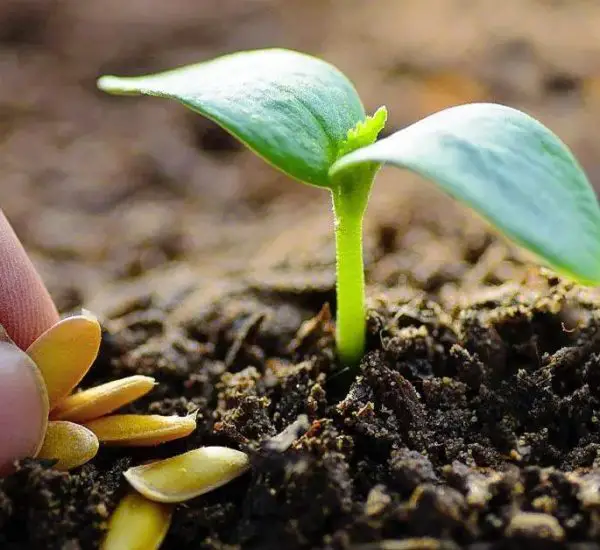
Now, you can proceed with sowing. Plant the seeds about 3 cm deep and space them approximately 40-50 cm apart, allowing the seedlings, which grow quite large, to have enough space. The rows should also be separated by about 40 cm. If you are growing chard in a small vegetable garden or on a balcony, you can sow the seeds closer together (about 20-30 cm). This will result in more tender leaves. When harvesting, only cut the larger outer leaves, leaving the inner leaves to continue growing, which will provide you with a longer harvest. If the seedlings grow too close, you can thin them out when they are around 10 cm tall.
Sun and Temperature Needs
Swiss chard needs sunlight to grow, but prefers the spring sun, which isn’t too hot. In the summer, it’s a good idea to create some shaded areas for the plants to prevent them from becoming overheated. During winter, chard is sensitive to frost, so it should be covered with a sheet in case of freezing temperatures.
Watering
Swiss chard requires enough water to keep the soil moist, but avoid overwatering. Stagnant water can damage the seedlings, so ensure good drainage and only water when necessary.
Harvesting Swiss Chard
You can harvest chard in two ways:
- Harvesting leaves in stages by cutting the outer leaves with a knife and tying them into bunches.
- Removing the entire head by cutting it just above the ground. This method encourages the plant to produce more leaves, allowing for another round of harvesting.
In both cases, you can enjoy a continuous harvest throughout the growing season.
By following these tips, you’ll have a bountiful and delicious Swiss chard crop to enjoy in your meals!