Growing saffron (Crocus sativus) in your garden can be a rewarding experience, although it requires specific care and attention. Here’s a guide on how to plant and care for crocus sativus:
- Botanical Classification of Crocus: Crocus encompasses various species, but Crocus sativus is the one known for producing saffron. It has tall mauve or violet flowers with long stigmas from which saffron is obtained.
- Plant Characteristics: Crocus sativus has glossy green leaves with a white stripe down the center. The flowers are cup-shaped with six petals and bloom before the leaves, directly from the bulb. Bulbs are oval and should be planted in the fall.
- Cultivation Requirements:
- Soil: Requires rich, calcareous, sandy soil that is well-drained to prevent water stagnation.
- Sunlight: Grows well in partial shade or full sun, but avoid high temperatures.
- Temperature: Hardy species that can tolerate temperatures below freezing.
- Watering: Resistant to rain, but ensure soil moisture without overwatering.
- Vegetative Rest: Goes into vegetative rest during the summer.
- Flowering: Flowering typically begins after two years of growth, so patience is necessary with young plants.
- Planting Process:
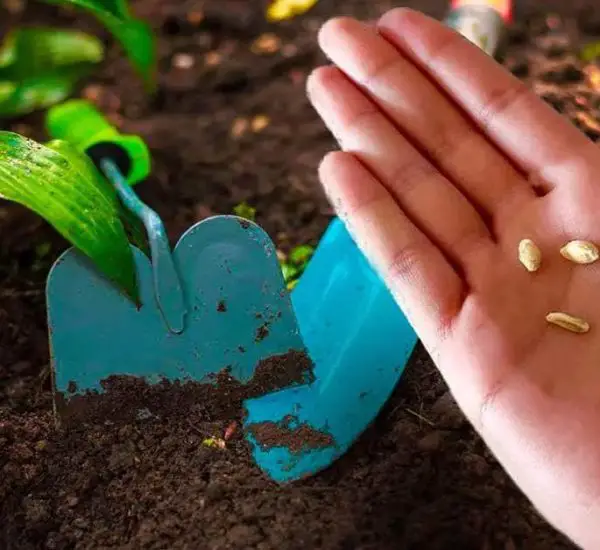
- Plant bulbs in the fall, at a depth of 7-8 cm, ensuring well-drained soil.
- Collect at least 5-6 bulbs for planting.
- Caring for Crocus Sativus:
- Fertilization: Use a balanced fertilizer to provide necessary nutrients.
- Weeding: Keep the area around the plants free from weeds.
- Pest and Disease Management: Monitor for pests and diseases, and take appropriate action if necessary.
- Mulching: Mulch around the plants to retain moisture and suppress weeds.
- Harvesting Saffron: Harvest saffron by carefully plucking the long red stigmas from the flowers during the blooming season.
- Patience and Care: Crocus sativus requires patience, especially for flowering and saffron production. Provide consistent care and monitor the plants regularly for optimal growth.
By following these guidelines, you can cultivate crocus sativus successfully in your garden and enjoy the beauty of its flowers as well as the prized saffron spice it produces.
Show Comments