Mint Marvel: Quick and Easy Tips for Growing Fresh Mint at Home
Introduction:
Growing mint at home is a rewarding and straightforward endeavor, offering a burst of refreshing flavor for culinary delights, teas, and more. Mint is known for its quick growth and versatility, making it an ideal herb for both seasoned gardeners and those new to cultivating their own kitchen herbs. Here are some tips to ensure a thriving mint garden that’s not only easy to establish but also quick to harvest.
- Choose the Right Variety: Start by selecting a mint variety that suits your preferences and garden conditions. Common types include peppermint, spearmint, and chocolate mint. Consider factors such as flavor, aroma, and growth habits when making your choice.
- Optimal Growing Conditions: Mint thrives in well-drained soil and prefers partial shade. Plant your mint in an area with indirect sunlight to encourage lush growth. Whether in a garden bed or a container, make sure the soil is kept consistently moist.
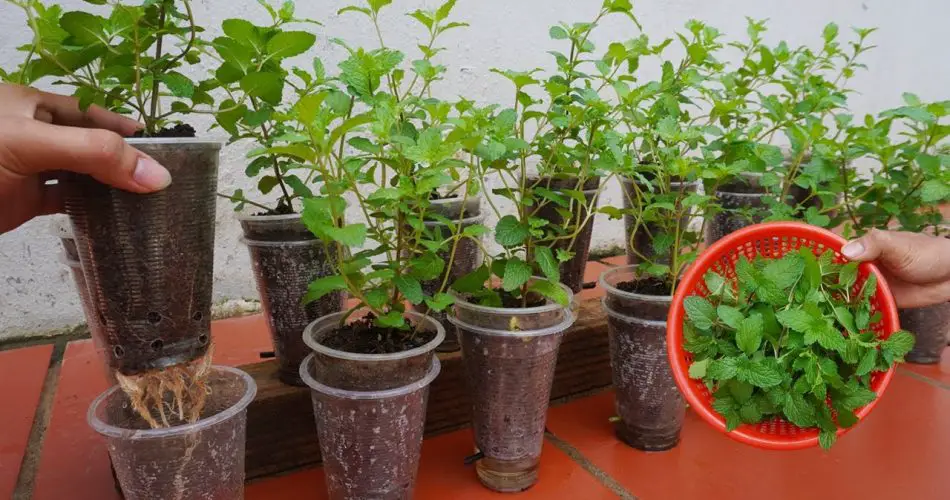
- Container Gardening: Mint has a tendency to spread vigorously, making it a great candidate for container gardening. Use a well-draining pot to prevent waterlogging, and this also helps control its growth, preventing it from taking over your garden.
- Regular Watering: Mint appreciates consistent moisture, so water regularly to keep the soil consistently damp. However, avoid overwatering, as mint can suffer if the soil becomes waterlogged.
- Pruning for Bushier Growth: Pruning is a key practice for growing healthy and bushy mint plants. Pinch off the tips regularly to encourage lateral growth and prevent the plant from becoming leggy. This also helps to concentrate the flavor in the new leaves.
- Harvesting Tips: Mint can be harvested once it reaches a reasonable height. Snip the leaves with clean scissors or pinch them off by hand. Harvesting promotes bushier growth and ensures you have a steady supply of fresh leaves for culinary use.
- Propagation: Mint is easily propagated through cuttings. Take healthy stem cuttings, remove lower leaves, and place them in water until roots develop. Once rooted, transfer the cuttings to soil. This is a quick and simple way to expand your mint garden or share with friends.
- Companion Planting: Consider planting mint alongside vegetables like tomatoes and cabbage, as it can help repel pests. However, be cautious about its spreading nature and plant it in containers if you want to control its growth.
Conclusion:
Growing mint at home is not only a practical addition to your culinary endeavors but also a delightful and fragrant experience. With these easy tips, you’ll soon find yourself with a flourishing mint garden that provides a quick and continuous harvest of fresh leaves. Whether you’re adding a hint of mint to your beverages, salads, or desserts, the rewards of homegrown mint are as refreshing as the herb itself.