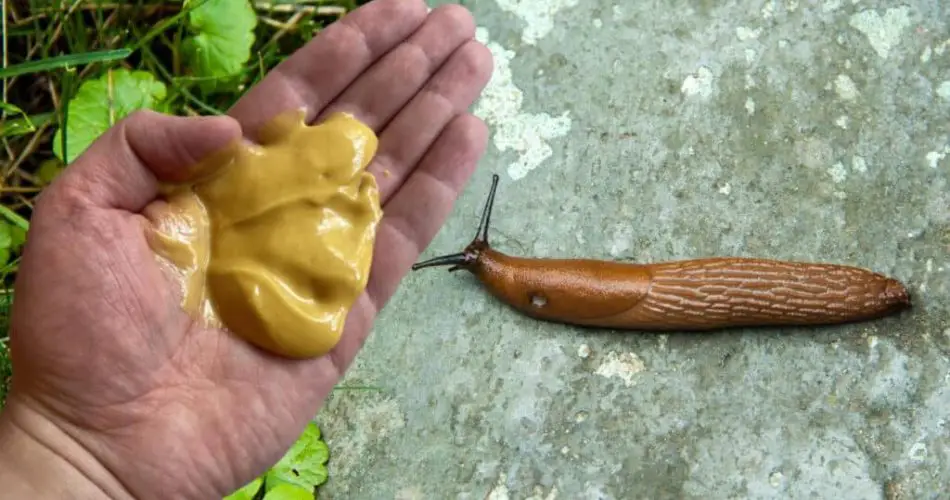
Controlling slugs in the garden requires a multi-faceted approach to effectively protect your plants and harvest.
Here are some effective methods you can use:
- Mechanical Methods:
- Handpicking: Collect slugs by hand in the early morning or evening when they are most active. Dispose of them by dropping them into a bucket of soapy water.
- Traps: Set up traps using beer or yeast-based baits to attract and drown slugs. Place these traps strategically around your garden.
- Borders: Create physical barriers around your beds using copper tape or diatomaceous earth to deter slugs from crossing.
- Chemical Methods:
- Chemical Preparations: If mechanical methods are ineffective, consider using chemical slug control products. Follow the instructions carefully and apply them sparingly to minimize environmental impact.
- Safer Alternatives: Opt for safer alternatives such as garlic or onion infusions, which can be effective in repelling slugs without harming the environment or pets.
- Folk Remedies:
- Ash or Lime: Sprinkle ash or lime around the beds to create an unfavorable environment for slugs. The abrasive texture can deter them from crossing.
- Needle Infusions: Treat plants with infusions made from needles, which can act as a natural deterrent for slugs.
- Eggshells: Spread crushed eggshells around the garden to create a barrier with sharp edges that slugs prefer to avoid.
- General Advice:
- Regular Inspections: Check your garden regularly for signs of slug damage and remove any slugs you find promptly.
- Garden Hygiene: Keep your garden clean by removing fallen leaves and other organic debris where slugs can hide.
- Cultural Practices: Practice crop rotation and interplanting with slug-resistant plants to reduce slug populations naturally.
By employing a combination of these methods and staying vigilant, you can effectively control slugs in your garden and protect your crops from damage. Remember to take a holistic approach and prioritize environmentally friendly solutions to maintain a healthy and productive garden ecosystem.
Show Comments