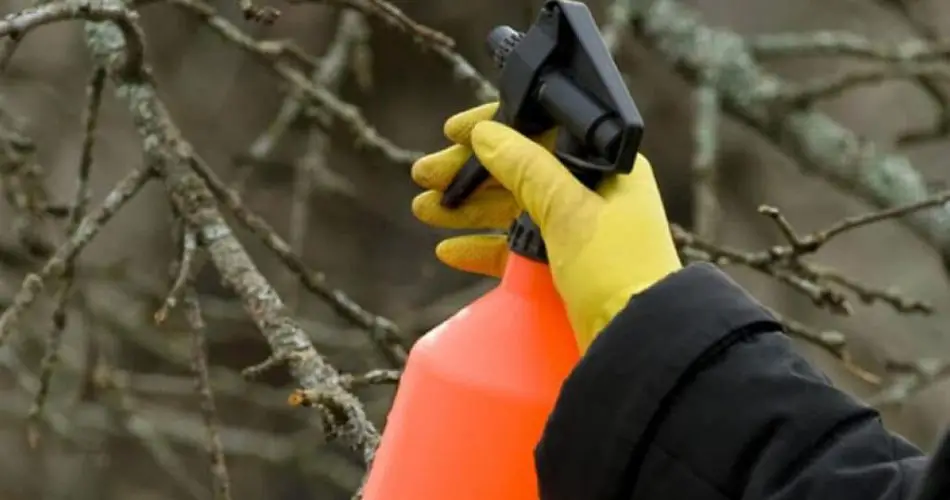
March marks a crucial time for safeguarding your fruit trees against potential threats like scab and rot. By administering the first treatment before buds emerge, you can eliminate overwintering pests and prevent disease outbreaks that could jeopardize your harvest later on.
Here’s how to effectively treat your fruit trees in early March:
- Understanding the Threats:
- Diseases like scab and fruit rot pose significant risks to your garden, potentially leading to substantial crop losses.
- Overwintering pests, still dormant in tree bark, can emerge with the onset of warmer weather and wreak havoc on your trees.
- Choosing the Right Products:
- Opt for fungicides to combat diseases prophylactically and curatively. Look for formulations specifically designed to target scab, fruit rot, and bacterial diseases.
- Consider eco-friendly insecticides to control pests while minimizing environmental impact.
- Key Preparations:
- Select products with high concentrations of active ingredients for maximum effectiveness against winter survivors.
- Prioritize formulations with prolonged action and rainfastness to withstand potential rainfall.
- Common options include urea, copper-based products, and iron sulfate.
- Application Guidelines:
- Ensure the air temperature is at least +5°C and the wind speed is below 5 m/s for optimal application conditions.
- Apply treatments evenly, covering all parts of the tree, including branches, trunk, and surrounding soil.
- Follow manufacturer instructions regarding dosage, dilution ratios, and safety precautions.
By diligently carrying out these early spring treatments, you can proactively protect your fruit trees from diseases and pests, setting the stage for a successful growing season and a bountiful harvest. Don’t delay—take action now to safeguard your garden’s health and productivity.
Show Comments