Papaya seeds are often discarded, but they hold the potential to grow into beautiful, fruit-bearing trees. Instead of tossing them, follow these simple steps to grow your own papaya trees from seeds.
1. Collecting and Preparing Seeds
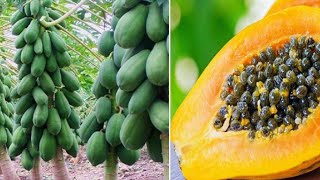
- Choosing a Papaya: Select a ripe, healthy papaya fruit. Look for one with no signs of disease or damage.
- Extracting Seeds: Scoop out the seeds from the papaya’s center. Place them in a colander or sieve.
- Cleaning Seeds: Rinse the seeds under running water to remove the gelatinous coating. This coating can inhibit germination, so it’s important to clean them thoroughly.
2. Drying the Seeds
- Drying Process: Spread the cleaned seeds on a paper towel or a piece of cloth. Allow them to air dry for a few days in a cool, dry place away from direct sunlight.
- Storage: If you’re not planting immediately, store the dried seeds in a paper envelope or a small container in a cool, dry place.
3. Germinating Papaya Seeds
- Soaking Seeds: Before planting, soak the seeds in water for 24 hours. This helps to soften the seed coat and speed up germination.
- Seed Tray or Pots: Fill seed trays or small pots with a well-draining seed-starting mix. Moisten the soil lightly.
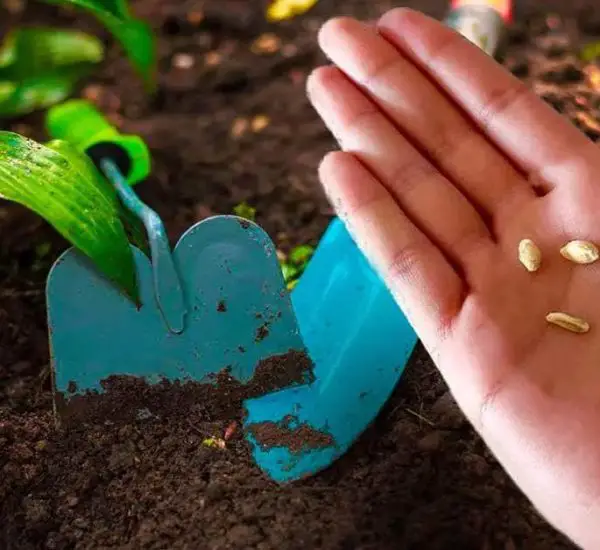
- Planting Seeds: Plant the seeds about 1/2 inch deep in the soil. Space them 1-2 inches apart if planting in a tray.
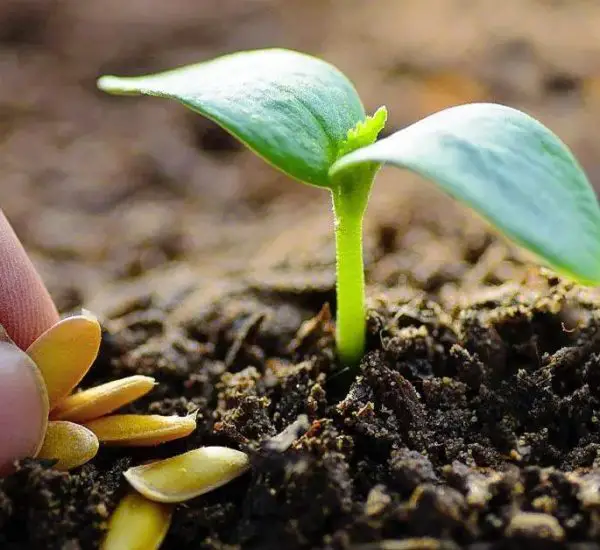
- Germination Conditions: Place the seed trays or pots in a warm, sunny location. Maintain consistent moisture but avoid waterlogging. Seeds typically germinate in 2-4 weeks.
4. Transplanting Seedlings
- Selecting Seedlings: Once the seedlings have a few true leaves and are about 4-6 inches tall, they are ready for transplanting.
- Choosing a Site: Select a sunny location with well-draining soil. Papaya trees prefer full sun and protection from strong winds.
- Soil Preparation: Enrich the planting site with compost or well-rotted manure to enhance soil fertility.
- Transplanting: Dig holes that are large enough to accommodate the seedling’s root ball. Space the seedlings about 6-10 feet apart. Gently remove seedlings from the tray or pots and plant them at the same depth they were growing.
5. Caring for Papaya Trees
- Watering: Keep the soil consistently moist but not waterlogged. Young papaya plants need regular watering, especially during dry periods.
- Mulching: Apply mulch around the base of the plants to retain soil moisture, regulate temperature, and suppress weeds.
- Fertilizing: Feed the plants with a balanced fertilizer every 2-3 months. Papaya trees are heavy feeders and benefit from regular nutrient supply.
6. Managing Pests and Diseases
- Pests: Keep an eye out for common pests like aphids, whiteflies, and fruit flies. Use organic pest control methods such as neem oil or insecticidal soap if needed.
- Diseases: Prevent fungal diseases by ensuring good air circulation and avoiding overhead watering. Remove any infected plant material promptly.
7. Harvesting Papayas
- Timing: Papaya trees can start producing fruit within 6-12 months of planting. The fruit is ready to harvest when it turns from green to yellow-orange.
- Harvesting: Use a sharp knife to cut the fruit from the tree, leaving a small stem attached. Handle the fruit gently to avoid bruising.
Conclusion
By following these steps, you can transform discarded papaya seeds into thriving trees that produce delicious fruit. Growing papaya from seeds is a rewarding and sustainable practice that turns waste into abundance. So, don’t throw away those seeds—plant them and enjoy the fruits of your labor. Happy gardening!
Show Comments