Unlocking Green Solutions: Growing Peppers with Plastic Bottles
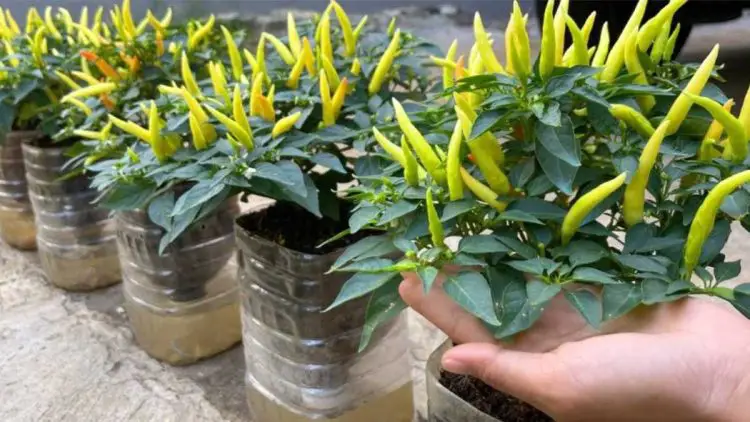
In an era where environmental consciousness is paramount, exploring innovative and sustainable gardening methods becomes essential. One such creative solution gaining prominence is the cultivation of peppers in plastic bottles. This not only repurposes plastic waste but also offers an efficient way to grow peppers in confined spaces. This article delves into the step-by-step process of growing peppers in plastic bottles and sheds light on the benefits it brings to both the environment and home gardeners.
Revolutionizing Plastic Bottle Usage in Gardening
Plastic pollution poses a global challenge, with millions of plastic bottles finding their way to landfills and oceans daily. Transforming these bottles into vessels for gardening represents a small yet impactful stride in curbing plastic waste. By converting plastic bottles into plant containers, you engage in a dual effort of recycling and fostering a healthier environment. This practice epitomizes upcycling, where discarded materials find a new purpose.
Essential Materials for Plastic Bottle Gardening
- Plastic Bottles: Opt for appropriately sized bottles, preferably with screw caps. Larger two-liter bottles suit sizable pepper plants, while smaller ones are ideal for dwarf pepper varieties.
- Potting Soil: Choose nutrient-rich, well-draining potting soil to support optimal plant growth.
- Pepper Seeds or Plants: Acquire high-quality pepper seeds or plants from reliable sources, considering your preferences and growing conditions.
- Scissors or Utility Knife: Utilize these tools to cut and shape plastic bottles effectively.
- Watering Can or Spray Bottle: Maintain proper humidity levels using a watering can or spray bottle.
- Fertilizer: Depending on the potting soil, incorporate a balanced liquid fertilizer if needed.
Step-by-Step Guide to Growing Peppers in Plastic Bottles
- Prepare the Bottles:
- Remove labels and caps, and rinse bottles thoroughly.
- Cut bottles in half, using scissors or a utility knife; the bottom half serves as a pot for growing peppers.
- Drill Drainage Holes:
- Create small drainage holes in the bottle’s bottom using a sharp object to prevent root rot.
- Fill with Potting Soil:
- Fill the bottom half with potting soil, leaving a gap from the top to prevent spillage during watering.
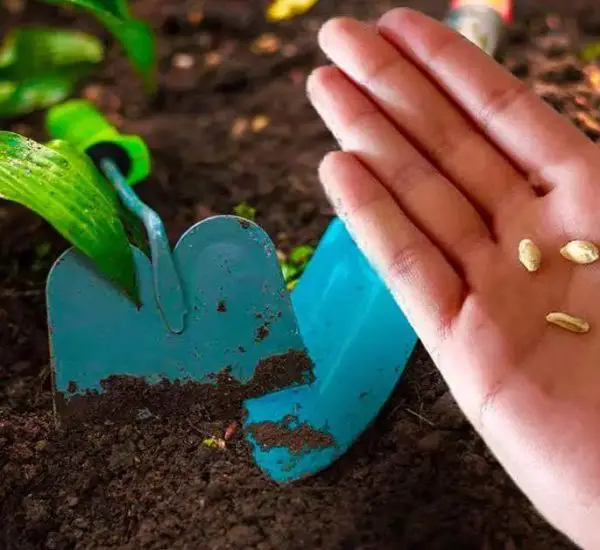
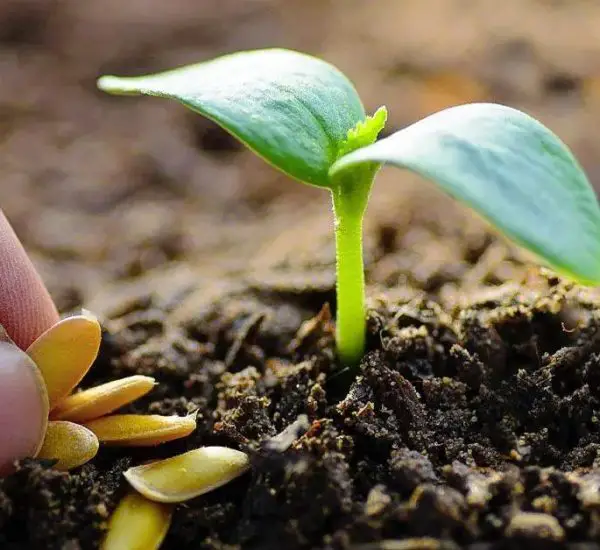
- Plant Pepper Seeds or Seedlings:
- Follow recommended planting depth and spacing if using seeds.
- For seedlings, create a small hole in the soil and gently place the seedling ball.
- Water and Care:
- Regularly water peppers, ensuring consistently moist but not soggy soil.
- Place bottles in a sunny location, providing at least 6 hours of sunlight daily.
- Monitor for pests and diseases, taking appropriate action if needed.
- Fertilize:
- Depending on the potting soil, fertilize peppers every few weeks with a balanced liquid fertilizer.
- Support for Growing Plants:
- As pepper plants flourish, provide support using stakes or suitable materials.
Advantages of Growing Peppers in Plastic Bottles
- Environmental Impact:
- Reduces plastic waste, contributing to a cleaner environment.
- Space Efficiency:
- Ideal for urban gardening or limited spaces, maximizing vertical arrangement.
- Controlled Environment:
- Plastic bottles create a microclimate, retaining moisture and regulating temperature for healthy plant growth.
- Cost-Effective:
- Inexpensive and readily available plastic bottles make this method economical.
- Educational Opportunities:
- Offers a valuable educational platform for schools and communities to teach sustainable practices and plant growth.