The trend of organic gardening has been on the rise for a while now, with even new gardeners eager to start their own home vegetable gardens. The satisfaction of growing your own food is undeniable, but some crucial tips and techniques can make all the difference in your gardening success. One important concept you should know before you begin planting is crop rotation. It’s essential to understand this method to prevent common mistakes, like growing tomatoes and onions in the same spot year after year. Here’s why crop rotation is crucial for healthy, thriving plants.
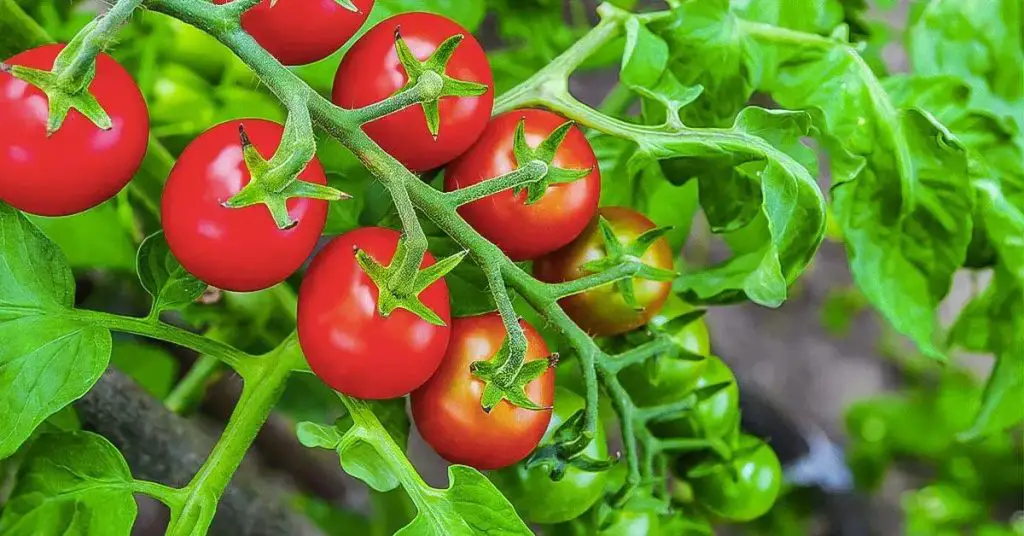
Why Not Plant Tomatoes and Onions in the Same Place?
In the world of agriculture, crop rotation refers to the practice of planting different crops in the same area across seasons. This method helps maintain soil health and prevents the depletion of essential nutrients.
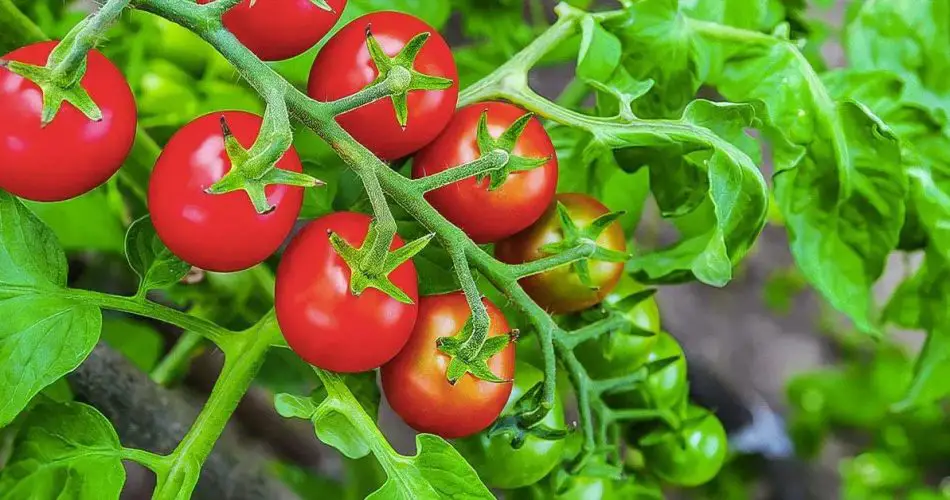
If you grow tomatoes or onions in the same spot two years in a row, without rotating your crops, several issues can arise. First, different plants have varying nutrient requirements. Tomatoes, for instance, are nutrient-hungry and need plenty of nitrogen, phosphorus, and potassium to thrive. Onions, however, have different nutrient needs. Growing them in the same space year after year can cause the soil to become nutrient-depleted, making it harder for plants to grow properly.
Additionally, planting the same crop repeatedly can lead to an increase in pests and diseases. Pests and pathogens become accustomed to a specific plant, creating a breeding ground for these harmful agents. With each new planting, you’re essentially providing them with a continuous food source, which can lead to infestations that will destroy your crops.
What Vegetables Should Not Be Combined with Tomatoes?
Some plants are simply bad neighbors for tomatoes. While tomatoes thrive when planted near certain vegetables, others can negatively impact their growth. Here are some examples:
- Corn: While tomatoes and corn might make a delicious salad together, they should not be planted near each other. They attract the same pests, such as moth larvae, which can destroy both crops.
- Fennel: Despite its appealing taste alongside tomatoes in recipes, fennel inhibits tomato growth when planted together. It’s known for being a bad companion in the garden and is better off growing in a pot or separate area.
- Dill: Young dill is beneficial for repelling aphids, but once it matures, it can stunt the growth of your tomatoes. Avoid planting mature dill near your tomato plants to ensure healthy growth.
- Potatoes: Both tomatoes and potatoes belong to the nightshade family and require similar nutrients. Growing them together creates competition, and they may become vulnerable to the same diseases, which could spread quickly between the plants.
- Eggplant: Another nightshade, eggplants should not be grown near tomatoes for the same reasons as potatoes. Both plants are susceptible to blight, and growing them together increases the risk of disease transmission.
What Plants Should Be Kept Away from Onions?
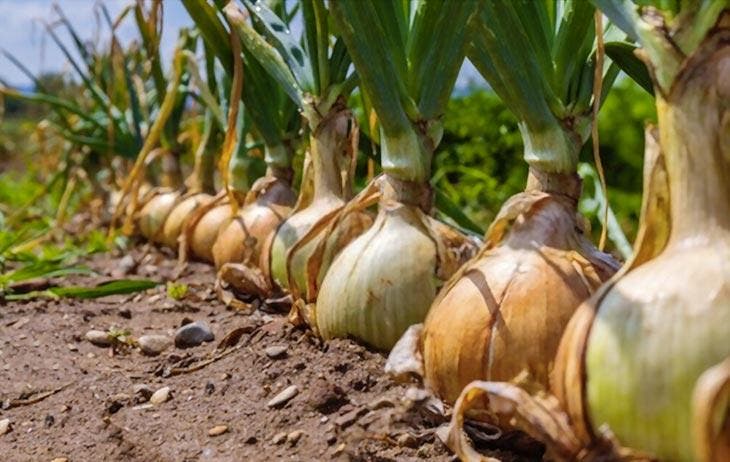
Although onions are generally friendly with many garden plants, some should be kept at a distance to ensure the best growth:
- Beans, Peas, and Other Legumes: While legumes help fix nitrogen in the soil, onions thrive on this same nutrient. Planting them together can harm the growth of the legumes by depleting their beneficial bacteria.
- Asparagus: Onions and asparagus compete for the same nutrients, so planting them together can stunt the growth of one or both crops.
- Sage: Sage is known to add nitrogen to the soil, but this can have a negative effect on onions. It’s best to avoid planting them together.
- Other Allium Family Plants (Garlic, Leeks, Shallots, Chives): While it might seem convenient to plant allium family members together, they attract similar pests that can easily spread to your onions. Keeping them separate will help reduce pest problems.
Conclusion: Embrace Crop Rotation for a Healthier Garden
By practicing crop rotation, you can maintain healthy soil, prevent pest infestations, and ensure your crops grow strong and productive. Understanding the nutrient needs of your plants and avoiding incompatible pairings like tomatoes and onions will help you achieve the best results in your garden. Whether you’re a seasoned gardener or just starting out, embracing these practices will lead to a more successful and sustainable gardening experience.