In your own garden you get together with family and friends, the fresh scent of flowers stimulates the senses and digging in the flower beds allows you to relax after daily work in the office. It is a good thing if we can therefore do without the use of chemicals in the garden.
The most surprising: To do this, all you have to do is go to the spice aisle!
Because cinnamon doesn’t just accompany apple pie or the milk foam crown of your cappuccino – cinnamon is also very popular among gardening professionals. In the garden, this golden spice proves to be a particularly versatile care product as well as a weapon against pests and parasites.
1st Help in case of mold and fungus attack
It is precisely the warm, humid soil of potted plants that is prone to mold and other fungi. However, powdery mildew also mercilessly affects other plants in flower beds and covers their leaves with white spots. Cinnamon has proven to be a very effective remedy and gradually makes the mold disappear. The use of cinnamon also helps prevent the appearance of fungus.
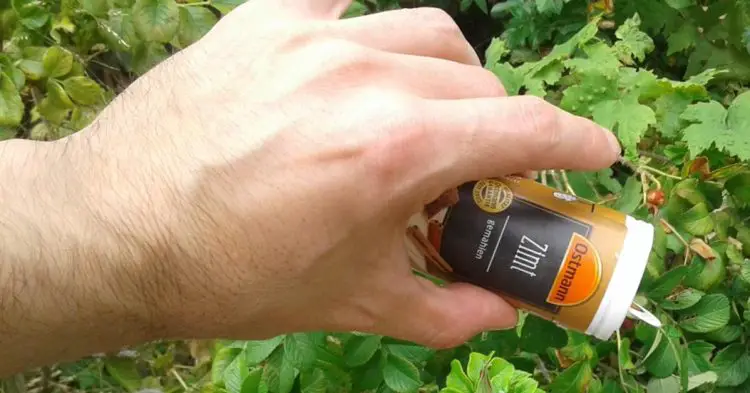
If only the soil is affected, simply sprinkle ground cinnamon powder around the plant. If the leaves of the plant are also affected or the fungi are particularly stubborn, it is recommended to prepare a cinnamon solution. To do this, dissolve a level teaspoon of cinnamon in 5 liters of hot water. Let the solution sit for an hour before using it in the garden and applying it to affected areas.
2. Protection of seedlings
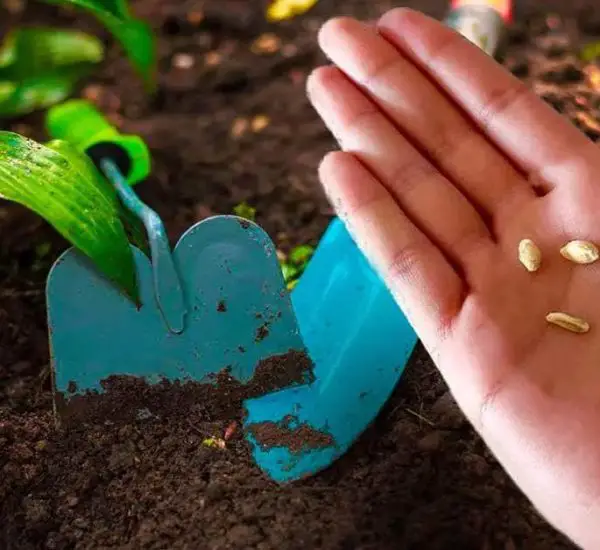
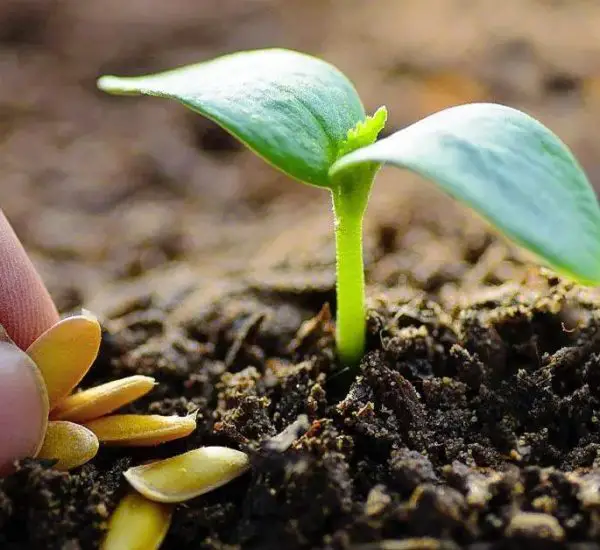
The fragile young shoots of the “flower garden” need special protection. Just after planting, you should sprinkle cinnamon powder around these vulnerable little creatures. This way, fungi and other parasites will have no chance and the young shoots will be able to develop without being disturbed. You can also rub the seeds with a little cinnamon or add cinnamon to the fertilizer.
3. Doping the cuttings
So that your cuttings can also develop strong roots, you should sprinkle the cutting surface with cinnamon. Then place it upside down for about an hour before planting the cutting. Cinnamon ensures healthy growth of plants and protects them from diseases thanks to its disinfectant effects.
4. Plant Care with Cinnamon
The disinfectant effect of cinnamon also helps plants heal. If the hedge trimmer has been unleashed or the sensitive perennial has been caught in a gust of wind, you should apply cinnamon to the “wounds”.
5. Hunt ants
There are places in the garden – or even in the apartment – where you wouldn’t want ants. Especially since they love the honeydew of aphids and defend the parasites against their natural predators. On the other hand, ants do not like the spicy smell of cinnamon at all. If they eat it, it is even toxic to them. So just sprinkle a little cinnamon powder on the ground to drive away ants in a short time.
6. Repel Pests and Mosquitoes
We can even do without chemicals to fight mosquitoes. In fact, cinnamon makes it very easy to make an effective mosquito repellent based on cinnamon oil, which also has a pleasant smell. For the cinnamon oil, you only need:
- A glass container
- Cinnamon sticks
- Mild oil (high quality olive or sunflower oil)
The cinnamon sticks are placed in a tight row in the glass container. Fill in any empty spaces with pieces of cinnamon. Drizzle everything with oil until the cinnamon sticks are completely covered. Leave to rest for three weeks in a warm place, then filter the oil using an old cloth and collect it in a bowl. You now have premium, wonderfully aromatic cinnamon oil. You run the oil on a handkerchief, then you place the handkerchief on a plate near the window: even if the window is completely open, no mosquitoes will venture into your room! You can also rub your arms and legs with this product and stay safe from bites even outdoors.
Besides, it’s not just ants that can’t stand the smell of cinnamon, all kinds of harmful insects too. Protect your plants from annoying insects and parasites by pouring a little cinnamon oil on a cloth and placing it in the bed.
It’s amazing to see the magical powers this spice holds. Your garden will thank you in any case if you can avoid the jets of toxic chemicals this way. Have you ever used cinnamon in your garden and gotten results?