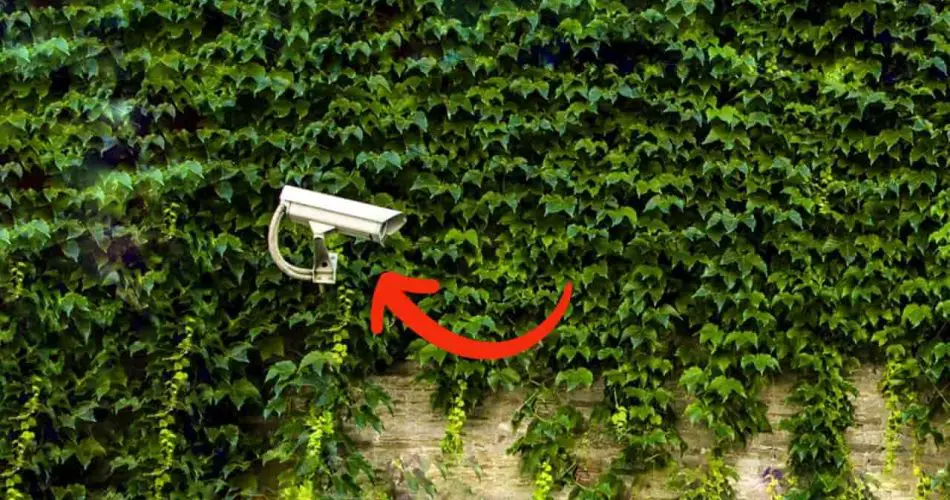
Many homeowners turn to video surveillance to enhance their security, complementing traditional measures like armored doors, alarms, and window grilles. Installing cameras in your garden or around your home can be an effective way to deter crime and monitor activity. However, it’s crucial to understand the legal implications and guidelines for proper installation to avoid legal issues.
Video Surveillance: Understanding the Legal Framework
While cameras can significantly improve home security, their installation must comply with legal requirements to avoid privacy violations and potential penalties. Here’s what you need to know:
- Legal Restrictions: Cameras should be placed in areas where they do not infringe on the privacy of others. This means they should not capture common spaces like gardens or parking lots that are used by others, nor should they record public areas such as sidewalks or streets.
- Signage Requirements: You must inform people about the presence of surveillance cameras. This is typically done by posting clear signage that indicates the area is under surveillance. You do not need specific authorization to install these signs, but they must be visible and informative.
- Recording and Storage: The footage from your cameras can be stored for a maximum of 48 hours. If law enforcement requires access to the recordings, they must submit a formal request to the camera owner.
Where to Position Your Cameras
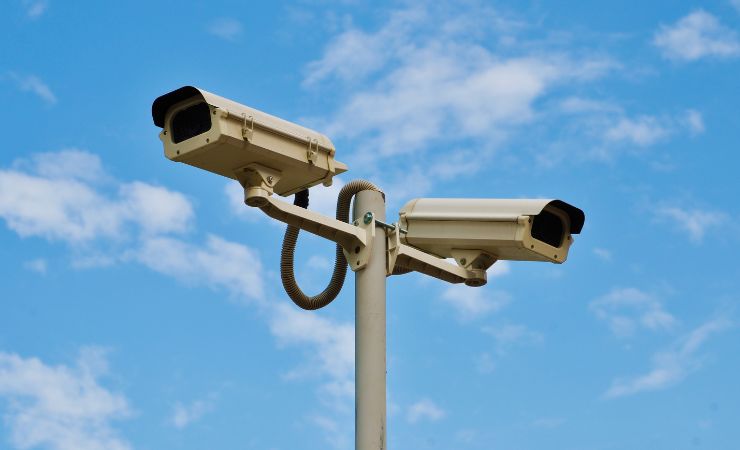
To ensure compliance with privacy laws and optimize the effectiveness of your surveillance system:
- Installation Location: Place cameras near entry points like the front door or windows, but avoid filming communal areas or the street. The goal is to monitor your property without invading the privacy of neighbors or passers-by.
- Camera Height: For effective monitoring and to prevent tampering, install cameras about 4 meters above ground. This height typically provides clear images and reduces the risk of vandalism. However, adjust the height as needed based on your property’s specific layout and security needs.
Common Areas in Condominiums
For those living in condominium apartments, additional considerations apply:
- Authorization: You need to obtain permission from the condominium assembly before installing cameras in common areas. It’s important to ensure that the cameras do not capture private areas such as balconies or individual terraces.
- Privacy Considerations: Ensure that your cameras do not intrude on private spaces or common areas not under your jurisdiction.
Signage Information
Your signage should include:
- The name of the camera owner or company responsible for the footage.
- Contact details for the data processing and responsibility.
- General principles of data processing, including storage duration and deletion methods.
- The reason for installing the cameras.
The signs must be placed near the cameras and be easily visible to ensure transparency and compliance with privacy regulations.
Conclusion
Installing cameras in your garden can enhance security, but it’s essential to follow legal guidelines to avoid privacy breaches and legal issues. By positioning cameras correctly, adhering to signage requirements, and respecting privacy boundaries, you can effectively safeguard your property while staying within the law.